Celery is often considered the definition of a healthy food. Crisp, refreshing, low in calories, and naturally high in water, it appears in everything from salads and soups to smoothies and green juices.
And for most people, celery is an excellent addition to a balanced diet.
It provides vitamin K, folate, potassium, fiber, and several antioxidant plant compounds, while its high water content can contribute to daily hydration. Eating celery alongside a diverse range of vegetables can support an overall nutritious eating pattern.
But healthy foods aren't automatically appropriate for everyone.
Certain people may experience allergic reactions, digestive discomfort, medication-related concerns, or other issues when consuming celery—particularly in large amounts or concentrated forms such as celery juice.
That doesn't mean celery is dangerous. It simply means that individual health conditions and tolerance matter.
Here are five groups who may need to be more careful with celery, plus what everyone should know before dramatically increasing their intake.
What Makes Celery Nutritious?
Celery (Apium graveolens) belongs to the same botanical family as parsley, carrots, fennel, and coriander.
A typical serving is mostly water but still provides useful nutrients.
Celery contains:
-
Vitamin K
-
Folate
-
Potassium
-
Vitamin C
-
Beta-carotene
-
Small amounts of calcium and magnesium
-
Dietary fiber
It also contains naturally occurring plant compounds, including flavonoids such as apigenin and luteolin.
Researchers continue to investigate these compounds for their antioxidant and biological properties.
However, eating celery shouldn't be viewed as a treatment for disease.
Its greatest benefit comes from being one nutritious vegetable within a varied diet.
1. People With a Celery Allergy
The clearest reason someone may need to avoid celery is a genuine celery allergy.
Although celery allergy isn't equally common in every part of the world, it is a recognized food allergy and can occasionally cause serious reactions.
Possible symptoms include:
-
Itching in the mouth
-
Tingling of the lips
-
Hives
-
Facial swelling
-
Nausea
-
Vomiting
-
Abdominal discomfort
-
Wheezing
In severe cases, food allergy can trigger anaphylaxis, a potentially life-threatening reaction.
Signs of anaphylaxis may include:
-
Difficulty breathing
-
Throat tightness
-
Swelling of the tongue
-
Severe wheezing
-
Dizziness
-
Fainting
-
Rapidly worsening symptoms
This requires emergency medical treatment.
Celery and Pollen-Food Allergy Syndrome
Some people with pollen allergies may experience itching or tingling in the mouth after eating raw celery.
This can occur because certain proteins in celery resemble proteins found in pollen.
The immune system recognizes them as similar, producing what is known as cross-reactivity.
People with pollen-food allergy syndrome may sometimes tolerate cooked celery better because heating can alter certain proteins.
However, this is not universally true.
Anyone with a history of significant allergic reactions should follow advice from an allergist rather than experimenting independently.
2. People Taking Certain Blood-Thinning Medications
Celery contains vitamin K, a nutrient essential for normal blood clotting and bone health.
For most people, vitamin K-rich vegetables are beneficial.
However, vitamin K deserves special attention in people taking certain anticoagulant medications, particularly warfarin.
Warfarin works partly by interfering with vitamin K-dependent clotting processes.
This doesn't mean people taking warfarin must eliminate celery or every green vegetable.
In fact, unnecessarily avoiding nutritious vegetables can make the diet less balanced.
The important issue is consistency.
Suddenly going from eating very little vitamin K to consuming large quantities of celery and other vitamin K-rich foods—or doing the opposite—could potentially affect anticoagulation control.
What Should You Do?
If you take warfarin:
-
Keep your vitamin K intake reasonably consistent.
-
Don't suddenly begin drinking large quantities of green juice.
-
Follow your clinician's recommendations for blood monitoring.
-
Discuss major dietary changes with your healthcare team.
Not all blood thinners interact with vitamin K in the same way, so don't assume these restrictions apply to every anticoagulant.
3. People With Sensitive Digestion or IBS
Celery provides dietary fiber, which is beneficial for most digestive systems.
However, people with irritable bowel syndrome (IBS) or sensitive digestion may find that certain portions cause symptoms.
Depending on the serving size and individual tolerance, celery may contribute to:
-
Gas
-
Bloating
-
Abdominal discomfort
-
Cramping
-
Changes in bowel movements
Some people with IBS are sensitive to specific fermentable carbohydrates known as FODMAPs.
Importantly, FODMAP tolerance is highly dependent on portion size.
A person may tolerate a modest serving of celery but experience symptoms after consuming a much larger quantity, particularly in smoothies or juices combined with other potentially triggering ingredients.
Don't Automatically Eliminate Celery
If celery seems to bother your stomach, first consider:
-
Portion size
-
Whether it was raw or cooked
-
What else you ate
-
Whether symptoms occur every time
-
Whether other foods trigger similar symptoms
A registered dietitian experienced with IBS can help identify triggers without unnecessarily restricting your diet.
4. People With Certain Kidney Conditions
People with chronic kidney disease often need individualized dietary recommendations.
Depending on the stage of kidney disease and laboratory results, some individuals may need to monitor nutrients such as:
-
Potassium
-
Sodium
-
Phosphorus
-
Protein
-
Fluids
Celery contains potassium, although it isn't among the most concentrated potassium foods.
For most healthy people, dietary potassium is beneficial and supports normal nerve, muscle, and cardiovascular function.
But when kidney function is significantly impaired, the body may have difficulty removing excess potassium from the bloodstream.
This can lead to hyperkalemia, or abnormally high blood potassium.
Severe hyperkalemia can affect heart rhythm.
Does Kidney Disease Mean No Celery?
No.
Dietary recommendations vary enormously among people with kidney disease.
Some individuals may be able to eat celery normally, while others may need to monitor total potassium intake.
Follow the personalized recommendations provided by your nephrologist or renal dietitian rather than eliminating foods based on generalized online advice.
5. People Who Consume Large Amounts of Celery Juice
Celery juice has become a major wellness trend.
Online claims suggest that drinking it every morning can:
-
Detox the liver
-
Cure digestive diseases
-
Eliminate inflammation
-
Treat high blood pressure
-
Clear acne
-
Prevent cancer
These claims go far beyond what current evidence supports.
Celery is nutritious, but celery juice isn't a miracle treatment.
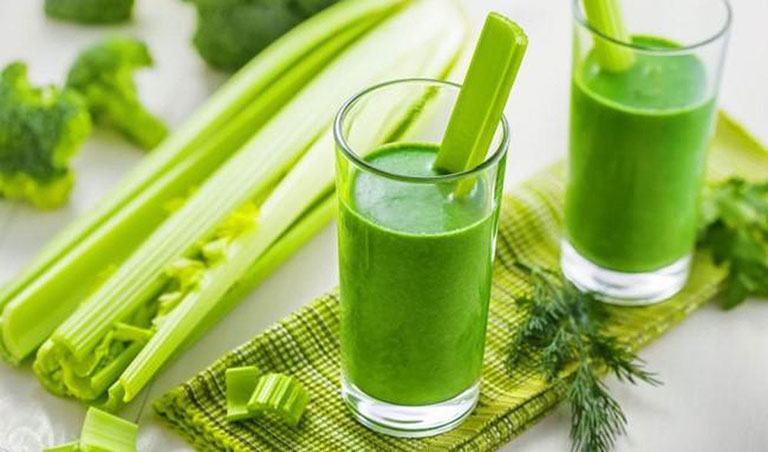
One concern with juicing is that it makes it easy to consume a much larger amount of celery than you would normally eat.
Several stalks may disappear into one glass.
Juicing also removes much of the insoluble fiber found in whole celery.
Whole Celery vs. Celery Juice
Whole celery provides:
-
Fiber
-
Water
-
Vitamins
-
Minerals
-
Plant compounds
Celery juice provides water and some micronutrients but substantially less fiber.
For most people, there's no compelling health reason to choose celery juice over eating the whole vegetable.
If you enjoy celery juice, a moderate serving can fit into a balanced diet. Just don't treat it as a medication or replacement for meals.
What About People With Low Blood Pressure?
Celery is sometimes promoted online as a natural blood-pressure-lowering treatment.
Some celery compounds have been investigated for possible cardiovascular effects, but evidence isn't strong enough to recommend celery as a treatment for hypertension.
Eating celery in ordinary food amounts is unlikely to dramatically lower blood pressure in healthy people.
However, if you already have unusually low blood pressure or take multiple blood pressure medications, consuming highly concentrated celery products or supplements deserves more caution than eating a few celery stalks.
Discuss supplements or concentrated extracts with your healthcare provider.
Can Celery Interact With Medications?
Ordinary culinary amounts of celery are unlikely to cause significant medication problems for most people.
However, concentrated herbal products are different.
Celery seed supplements and extracts may contain much higher levels of biologically active compounds than normal food portions.
Potential interactions may be more relevant for people taking medications affecting:
-
Blood clotting
-
Blood pressure
-
Kidney function
-
Fluid balance
If you're taking prescription medication, don't assume a supplement is safe simply because its ingredient comes from a vegetable.
Is Raw Celery Better Than Cooked Celery?
Both can be nutritious.
Raw Celery
Raw celery retains its characteristic crunch and works well in:
-
Salads
-
Sandwiches
-
Dips
-
Snack plates
Cooked Celery
Cooked celery becomes softer and may be easier for some people to digest.
It works well in:
-
Soups
-
Stews
-
Stir-fries
-
Sauces
-
Roasted vegetable dishes
Cooking can alter the amount of certain heat-sensitive nutrients, but that doesn't make cooked celery unhealthy.
Eating vegetables in multiple forms can help increase dietary variety.
What About Celery Leaves?
Don't automatically throw them away.
Celery leaves are edible and can be used similarly to other herbs.
Try adding them to:
-
Soups
-
Salads
-
Pesto
-
Sauces
-
Omelets
-
Grain dishes
They provide flavor along with small amounts of vitamins and beneficial plant compounds.
Wash them thoroughly before use.
Does Celery “Detox” the Body?
This is one of the most persistent celery myths.
Your body already has highly sophisticated systems for processing and eliminating waste.
Your:
-
Liver
-
Kidneys
-
Lungs
-
Digestive system
perform these functions continuously.
Celery provides water and nutrients that can contribute to a healthy diet, but it doesn't need to “flush toxins” from your organs.
No special celery cleanse is necessary.
Does Celery Burn Belly Fat?
Celery is low in calories and high in water, making it a useful food for people managing their calorie intake.
But celery doesn't selectively burn abdominal fat.
Fat loss occurs when the body consistently uses more energy than it consumes over time.
Foods like celery can support weight management because they add volume to meals without many calories.
But no vegetable can specifically target belly fat.
Can Celery Prevent Cancer?
Celery contains antioxidant plant compounds that researchers have studied in laboratory settings.
However, laboratory findings don't mean eating celery prevents or treats cancer in humans.
No single vegetable can guarantee cancer prevention.
Cancer risk is influenced by many factors, including:
-
Genetics
-
Tobacco exposure
-
Alcohol
-
Body weight
-
Physical activity
-
Infections
-
Environmental exposures
-
Overall dietary pattern
Eating a wide variety of vegetables and fruits is associated with better overall health and can form part of a cancer-preventive lifestyle.
Celery can certainly be one of those vegetables.
It just shouldn't be marketed as a cancer treatment.
Does Celery Help With Hydration?
Celery is mostly water, so it contributes to daily fluid intake.
Other water-rich foods include:
-
Cucumbers
-
Tomatoes
-
Watermelon
-
Strawberries
-
Oranges
-
Lettuce
-
Zucchini
Eating water-rich fruits and vegetables alongside adequate beverages can help maintain hydration.
However, celery shouldn't replace drinking fluids entirely.
Is Celery Good for Digestion?
For many people, yes.
Whole celery provides fiber that contributes to:
-
Stool formation
-
Bowel regularity
-
Gut health
However, fiber affects people differently.
Someone accustomed to a low-fiber diet may experience temporary bloating after suddenly increasing vegetables.
Increase fiber gradually and maintain adequate hydration.
People with specific gastrointestinal conditions may require individualized advice.
How Much Celery Should You Eat?
There is no medically established daily requirement for celery.
You don't need to eat it every day to be healthy.
Instead, focus on consuming a variety of vegetables.
For example, rotate between:
-
Celery
-
Broccoli
-
Carrots
-
Tomatoes
-
Bell peppers
-
Leafy greens
-
Cauliflower
-
Cabbage
Different vegetables provide different combinations of nutrients and phytochemicals.
Dietary diversity is more valuable than consuming huge amounts of one “superfood.”
Healthy Ways to Eat Celery
If you tolerate celery well, there are many simple ways to enjoy it.
Celery With Hummus
Pair celery sticks with hummus for fiber, plant protein, and healthy fats.
Celery With Peanut Butter
Adding peanut or almond butter creates a more satisfying snack containing protein and unsaturated fat.
Choose nut butter without excessive added sugar when possible.
Add Celery to Soup
Celery works particularly well with carrots and onions as the flavor base of soups and stews.
Add It to Salads
Thinly sliced celery adds crunch without significantly increasing calories.
Use Celery Leaves as Herbs
Chopped leaves can add fresh flavor to soups, salads, and grain dishes.
Who Usually Doesn't Need to Worry About Celery?
For most healthy adults, celery is safe and nutritious.
If you:
-
Don't have a celery allergy
-
Don't experience digestive symptoms after eating it
-
Haven't been advised to restrict certain nutrients
-
Aren't making major dietary changes that affect medication management
there's generally no reason to avoid celery.
You also don't need to obsess over potential side effects from normal food portions.
Most concerns become more relevant when someone has a specific medical condition, allergy, medication interaction, or consumes very large quantities.
When Should You Stop Eating Celery and Seek Help?
Ordinary digestive symptoms such as mild gas aren't usually an emergency.
However, stop eating celery and seek urgent medical attention if you experience signs of a severe allergic reaction, including:
-
Difficulty breathing
-
Throat tightness
-
Significant swelling of the lips or tongue
-
Wheezing
-
Severe dizziness
-
Fainting
-
Rapidly worsening symptoms
People with known food allergies should follow the emergency plan provided by their healthcare professional.
Common Myths About Celery
Myth 1: Celery Has “Negative Calories”
You may have heard that chewing and digesting celery burns more calories than celery contains.
This isn't supported by evidence.
Celery is very low in calories, but it isn't a magical negative-calorie food.
Myth 2: Celery Juice Detoxes the Liver
Your liver doesn't require celery juice to perform its normal detoxification functions.
Myth 3: Celery Juice Is Healthier Than Whole Celery
Not necessarily.
Whole celery retains more fiber and is an excellent choice.
Myth 4: Everyone With Kidney Disease Must Avoid Celery
False.
Kidney diets are individualized based on kidney function, blood tests, medications, and other factors.
Myth 5: People Taking Blood Thinners Can't Eat Celery
This is also overly simplistic.
People taking warfarin generally need consistent vitamin K intake, not necessarily complete avoidance of vitamin K-containing vegetables.
The Bottom Line
Celery is a nutritious, hydrating vegetable that can fit comfortably into most healthy diets.
However, five groups may need additional caution:
1. People with a genuine celery allergy.
2. People taking vitamin K-sensitive anticoagulants such as warfarin who make major changes to their diet.
3. People with IBS or digestive sensitivity who notice symptoms after eating celery.
4. People with certain kidney conditions who have been advised to monitor potassium or other nutrients.
5. People consuming large quantities of concentrated celery juice, extracts, or supplements.
For most of these groups, the issue isn't necessarily that celery must be completely eliminated.
Portion size, preparation method, medication use, individual tolerance, and overall medical condition all matter.
Final Thoughts
Celery deserves its reputation as a nutritious vegetable—but it doesn't deserve the exaggerated claims surrounding it.
It won't magically detox your liver, melt belly fat, cure high blood pressure, or prevent cancer. At the same time, there's no reason for most people to fear it.
For healthy individuals who tolerate it well, celery provides water, fiber, vitamin K, potassium, and useful plant compounds while adding crunch and flavor to meals.
The key is context and moderation.
If celery causes repeated digestive problems, discuss your symptoms with a healthcare professional rather than assuming they're normal. If you take warfarin, keep vitamin K intake consistent. If you have kidney disease, follow your individualized dietary recommendations. And if you experience symptoms suggesting a true celery allergy, seek appropriate medical evaluation.
Ultimately, good nutrition isn't about eating enormous quantities of one supposedly perfect food. It's about building a varied dietary pattern containing vegetables, fruits, whole grains, legumes, healthy fats, and appropriate sources of protein—and choosing foods that work well for your individual health needs.