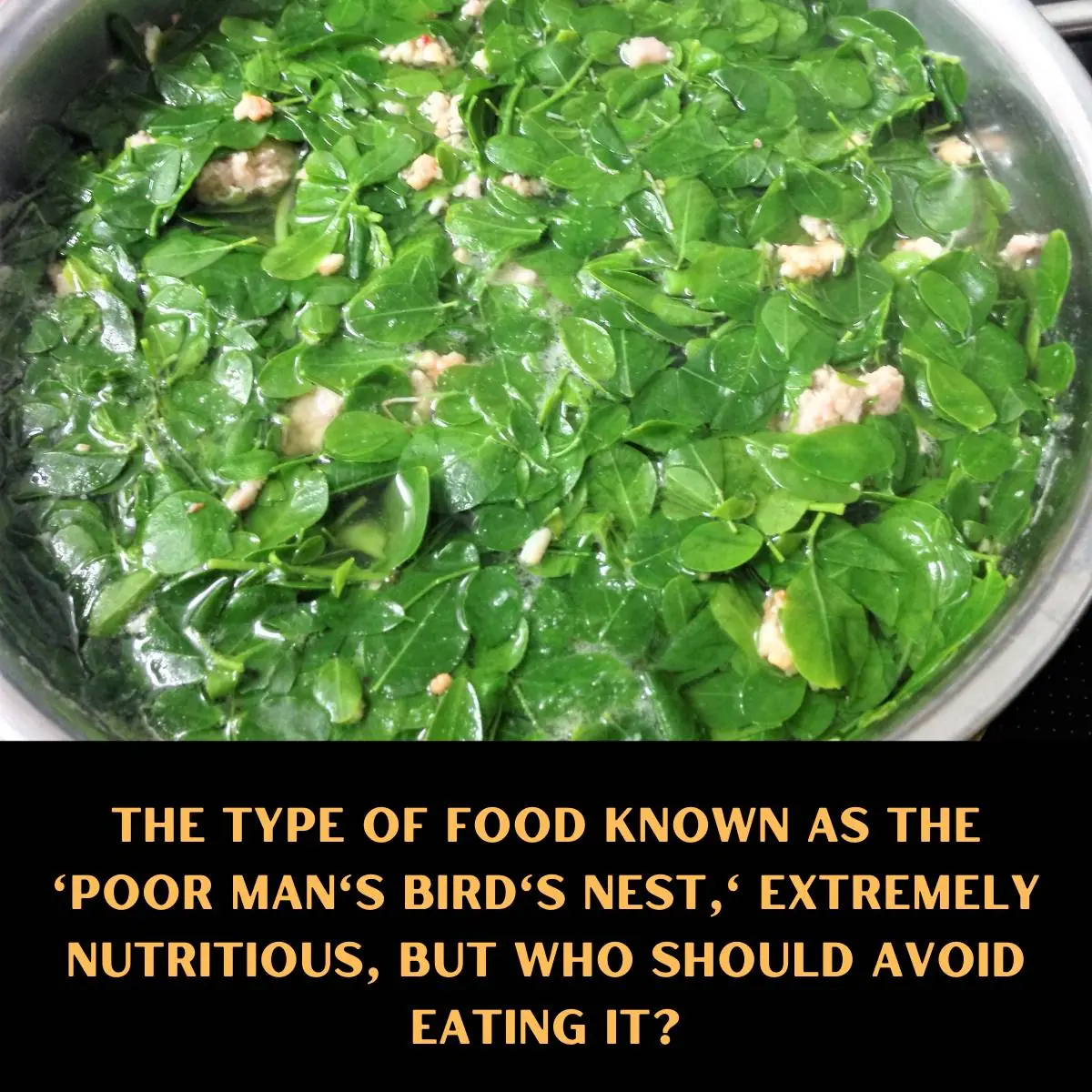
Moringa (Moringa oleifera) is a highly nutritious food known for its numerous health benefits. It is rich in vitamins, minerals, protein, and antioxidants, which help boost the immune system, improve heart health, and aid digestion. However, not everyone should consume moringa leaves. Below are groups of people who should limit or avoid eating moringa to ensure their health is protected:
1. Pregnant and Breastfeeding Women
While moringa offers many benefits, pregnant and breastfeeding women should be cautious when consuming it. Some studies suggest that certain components in moringa can have adverse effects on the fetus or newborn. Specifically, the root and bark of the moringa plant may cause uterine contractions, which can increase the risk of miscarriage during pregnancy. Therefore, pregnant women should avoid eating moringa or consult their doctor before incorporating it into their diet.
2. People with Low Blood Pressure
Moringa has blood pressure-lowering properties, so those with low blood pressure or those undergoing treatment for hypertension need to be very careful when eating moringa. Overconsumption can cause blood pressure to drop too much, leading to dizziness, fatigue, and potential health risks. If you have low blood pressure, it’s important to monitor your blood pressure regularly and consult your doctor before adding moringa to your diet.
3. People with Diabetes
Moringa is believed to help regulate blood sugar levels, but for people with diabetes, consuming too much moringa may interfere with blood sugar control. Some studies suggest that moringa can interact with diabetes medications, potentially lowering blood sugar levels too much. Diabetic individuals should monitor their blood sugar levels closely and seek medical advice before including moringa in their diet.
4. People with Blood Clotting Disorders
Moringa can enhance the effects of blood-thinning medications such as warfarin. This could increase the risk of bleeding and other blood clotting issues. People who are on blood-thinning medications or have blood clotting problems should avoid eating moringa or consult their doctor before using it.
5. People with Digestive Issues
While moringa is high in fiber, individuals with digestive issues such as stomach ulcers, diarrhea, or other gastrointestinal disorders should be cautious when consuming moringa. It can irritate the stomach lining and worsen their condition. People with digestive problems should monitor their intake of moringa and consult a doctor if necessary.
6. Children Under 2 Years Old
Although moringa is very nutritious, it may not be suitable for children under 2 years old as their digestive and immune systems are still developing. Eating moringa may cause unwanted reactions or indigestion in young children. Therefore, parents should consult with a pediatrician before giving moringa to children under 2.