Have you ever noticed dark, velvety patches of skin around your neck, under your arms, or in other body folds and wondered what they mean?
For many people, these skin changes appear gradually and don't cause pain or itching. Because they often develop slowly, they're easy to ignore or mistake for dirt, poor hygiene, or simple skin discoloration. But in some cases, these patches can be a sign that your body is trying to tell you something important.
One possible cause is acanthosis nigricans, a skin condition that is often linked with insulin resistance, obesity, hormonal disorders, certain medications, or, more rarely, other underlying medical conditions.
The good news is that acanthosis nigricans itself is not contagious, and it is not caused by poor hygiene. While it isn't dangerous on its own, it can sometimes be a clue that it's worth discussing your overall health with a healthcare professional.
Let's take a closer look at what it is, why it happens, and when it's a good idea to seek medical advice.
What Is Acanthosis Nigricans?
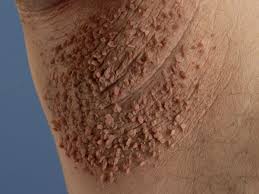
Acanthosis nigricans is a skin condition that causes areas of skin to become:
- Darker than the surrounding skin
- Thicker
- Velvety in texture
The discoloration may range from light brown to dark brown or gray, depending on a person's natural skin tone.
The affected skin often feels soft or slightly raised rather than rough or scaly.
Where Does It Usually Appear?
The condition most commonly develops in skin folds, including:
- The back or sides of the neck
- Under the arms (armpits)
- The groin
- Elbows
- Knees
- Knuckles
- Under the breasts
Less commonly, it can appear on:
- The face
- Belly button
- Hands
- Lips
What Causes Acanthosis Nigricans?
Acanthosis nigricans isn't a disease by itself. Instead, it's often a sign associated with another condition or factor.
1. Insulin Resistance
The most common cause is insulin resistance, a condition in which the body's cells don't respond well to insulin.
To compensate, the body produces more insulin, and high insulin levels may stimulate skin cells to grow more rapidly, leading to thickened, darker patches.
Insulin resistance is commonly associated with:
- Prediabetes
- Type 2 diabetes
- Metabolic syndrome
Not everyone with insulin resistance develops acanthosis nigricans, but the two are frequently linked.
2. Excess Body Weight
People who are overweight or obese are more likely to develop insulin resistance, making acanthosis nigricans more common in this group.
In some individuals, gradual weight loss and improved metabolic health may lead to improvement in the skin changes.
3. Hormonal Conditions
Several hormone-related conditions may increase the likelihood of developing acanthosis nigricans, including:
- Polycystic ovary syndrome (PCOS)
- Cushing syndrome
- Hypothyroidism
- Other endocrine disorders