Did You Know? If Hair Grows on Your Ears, Here’s What It Really Means
Ear hair is something many people notice—especially as they get older—but rarely talk about. Some assume it’s a strange or even worrying sign. Others think it’s random.
The truth? Hair growth on the ears is usually completely normal—but in some cases, it can reflect underlying changes happening in the body.
Let’s break it down clearly.
Why Does Hair Grow on the Ears?

 4
4
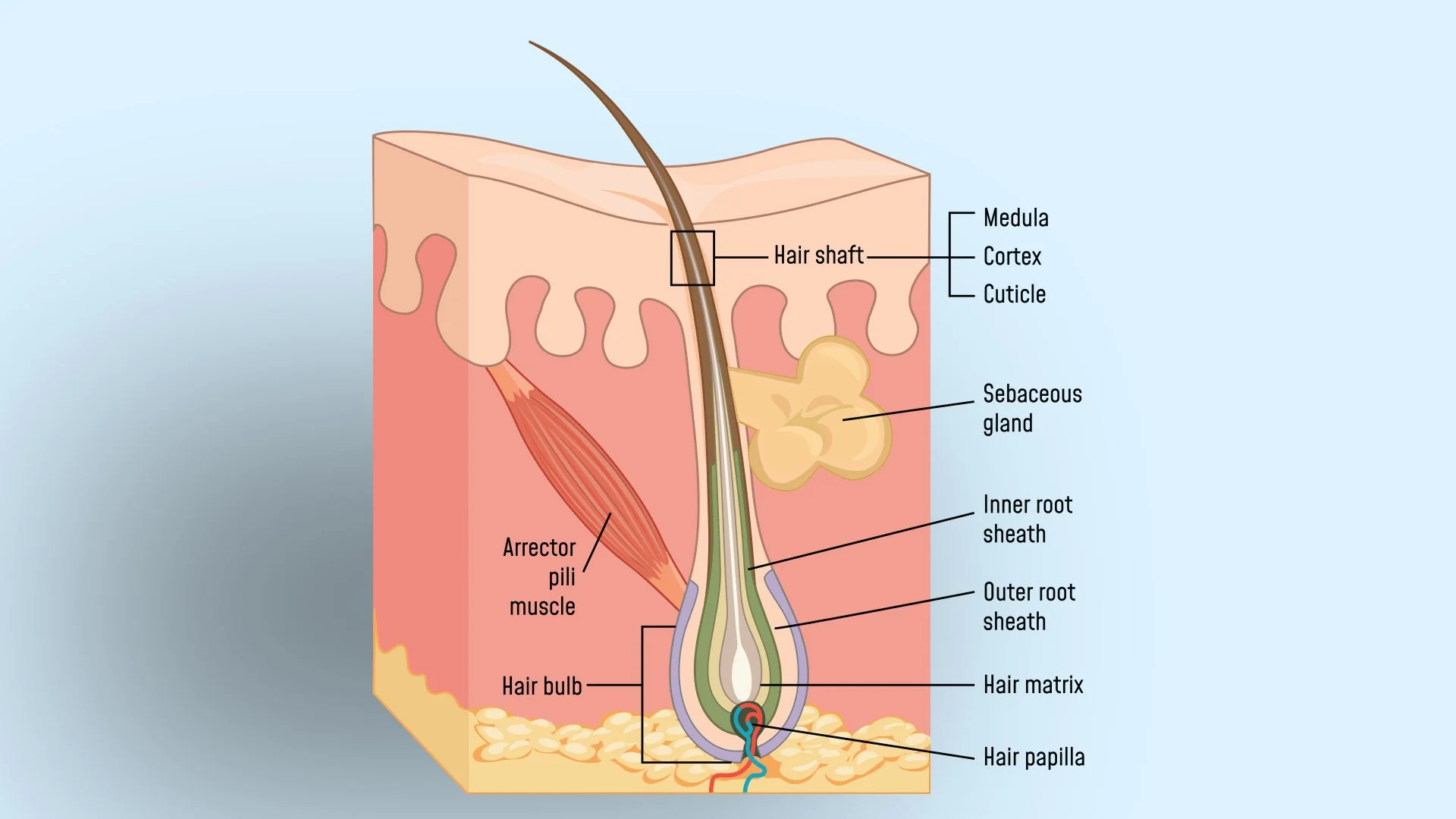
Hair growth on the ears is mainly influenced by:
- Hormones (especially androgens like testosterone)
- Aging
- Genetics
As people age, hair follicles in certain areas (like ears and nose) become more sensitive to hormones. This causes hair to grow thicker, longer, or more noticeable over time.
1. Aging: The Most Common Reason
The most straightforward explanation is aging.
As the body gets older:
- Hair growth patterns change
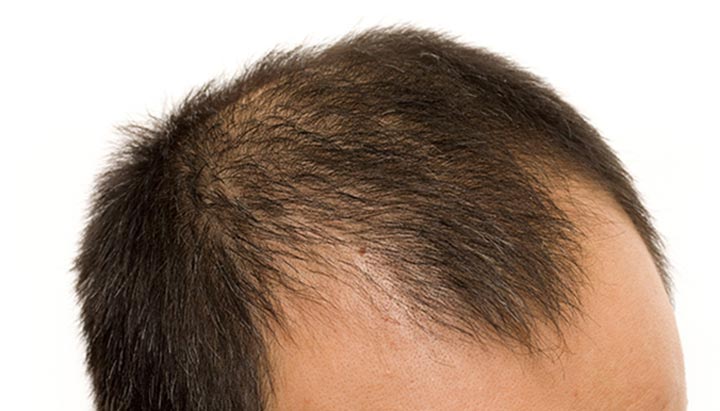
- Some hair becomes thinner (like on the scalp)
- Other areas grow thicker hair (like ears, nose, eyebrows)
This is a natural biological shift—not a disease.
2. Hormonal Changes


 4
4
Hormones play a key role, especially:
- Increased sensitivity to testosterone
- Changes in hormone balance over time
This is why ear hair is more common in men, but it can also appear in women.
3. Genetics Matters More Than You Think
If older family members have visible ear hair, chances are:
- You may develop it too
- It’s part of inherited traits
Genetics determines how your hair follicles respond to hormones.
4. Is It Linked to Health Problems?
Here’s where things get interesting.
Most of the time:
- Ear hair is harmless and normal
However, some studies have explored a possible link between:
- Excessive ear hair
- Cardiovascular risk factors
But important point:
- This connection is not definitive
- Ear hair alone is not a diagnosis of any disease
So don’t panic—it’s more of a correlation than a cause.
5. When Should You Pay Attention?
You might want to look deeper if ear hair appears alongside:
- Sudden hormonal changes
- Unusual hair growth in multiple areas
- Other symptoms like fatigue, weight changes, or skin issues
In such cases, it’s worth checking overall health—not because of the hair itself, but the bigger picture.
Should You Remove Ear Hair?
That’s purely personal preference.
Common methods include:
- Trimming
- Waxing
- Laser removal
Just avoid aggressive methods that could irritate the sensitive skin inside the ear.
Final Thoughts
Ear hair might seem odd or even embarrassing—but in reality, it’s just a natural part of how the body evolves over time.
In most cases, it simply reflects:
- Aging
- Hormonal influence
- Genetic traits
Not everything unusual is dangerous. Sometimes, it’s just biology doing its thing.