Why Is Your Tongue White? Common Causes and Signs to Watch For 🧐
Most people don't pay much attention to their tongue unless something looks unusual. One of the most common changes people notice is a white coating or patches on the surface of the tongue.
In many cases, a white tongue is harmless and temporary. However, it can sometimes signal underlying health issues that deserve attention. Understanding the possible causes can help you determine when simple self-care is enough and when it's time to consult a healthcare professional.
What Causes a White Tongue?
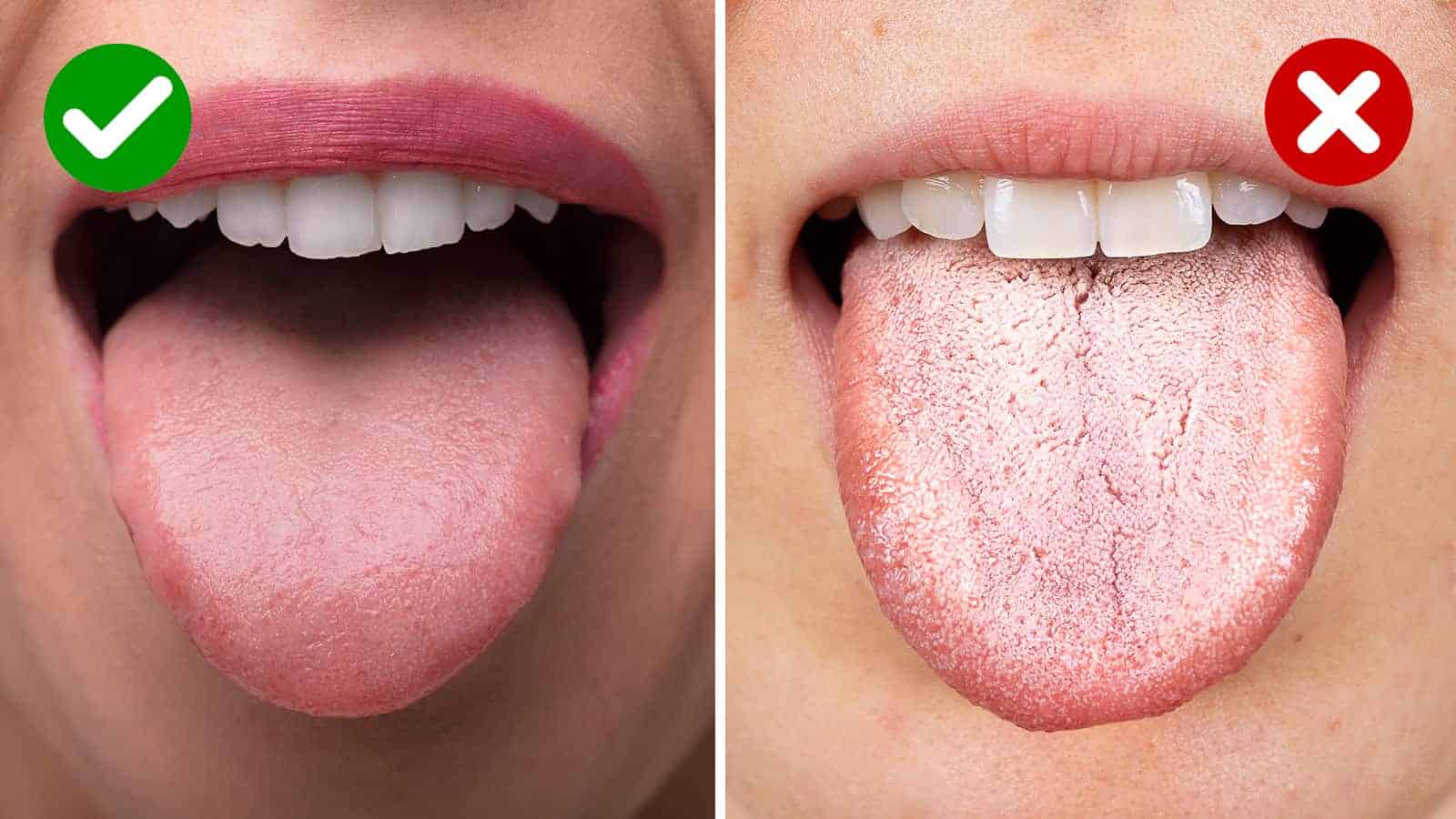
A white tongue typically occurs when tiny bumps on the tongue, known as papillae, become enlarged or inflamed. As dead cells, bacteria, food debris, and other materials become trapped between these papillae, a white coating can develop.
The appearance may range from a thin white film to thicker patches that cover larger portions of the tongue.
Poor Oral Hygiene
One of the most common causes of a white tongue is inadequate oral hygiene.
When brushing and flossing habits are inconsistent, bacteria and debris can accumulate inside the mouth.
Common contributing factors include:
- Infrequent brushing
- Skipping flossing
- Not cleaning the tongue
- Irregular dental checkups
Improving oral hygiene often helps reduce the white coating within a short period.
Dry Mouth and Dehydration
A dry mouth can create an environment where bacteria accumulate more easily.
Possible causes include:
- Not drinking enough water
- Mouth breathing
- Fever
- Certain medications
- Salivary gland disorders
When saliva production decreases, the mouth loses some of its natural ability to wash away bacteria and debris.
Staying properly hydrated may help improve symptoms in many cases.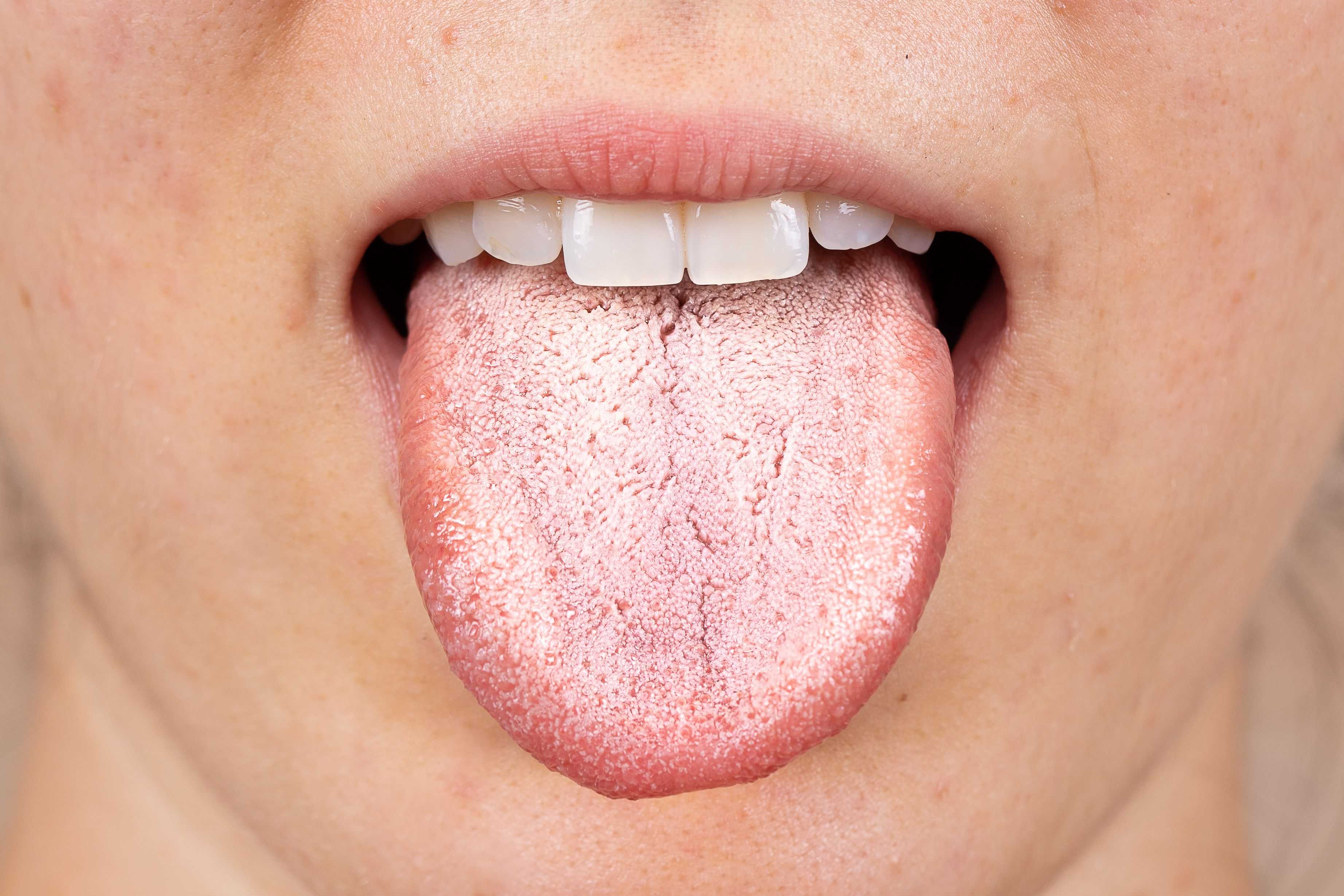
Oral Thrush
Oral thrush is a fungal infection caused by an overgrowth of Candida yeast.
It may produce:
- Creamy white patches on the tongue
- White patches inside the cheeks
- Redness or soreness
- Difficulty swallowing in some cases
Oral thrush is more common among:
- Older adults
- Infants
- People with diabetes
- Individuals with weakened immune systems
- People using inhaled corticosteroids
Medical treatment may be necessary if oral thrush is present.
Smoking and Tobacco Use
Tobacco products can irritate the tissues of the mouth and contribute to changes in the appearance of the tongue.
Smoking may:
- Increase bacterial growth
- Promote inflammation
- Contribute to thickening of tongue tissues
- Increase the risk of oral health problems
A persistent white tongue in smokers should be evaluated by a healthcare professional.
Geographic Tongue
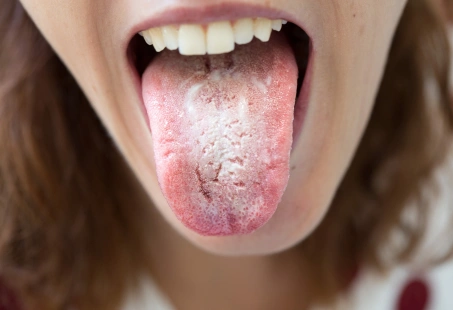
Geographic tongue is a relatively common and usually harmless condition.
It causes:
- Smooth red patches on the tongue
- White borders around affected areas
- Patterns that may change location over time
Although it may appear alarming, geographic tongue is generally not dangerous and often requires no treatment.
Leukoplakia
Leukoplakia involves thick white patches that develop inside the mouth or on the tongue.
Possible contributing factors include:
- Smoking
- Tobacco use
- Chronic irritation
Unlike ordinary tongue coatings, leukoplakia patches usually cannot be easily scraped away.
Because some cases may be associated with precancerous changes, professional evaluation is important.
When Should You Be Concerned?
A white tongue is often harmless, especially if it improves after better oral hygiene or hydration.
However, you should consider medical evaluation if:
- The white coating lasts longer than two weeks
- The tongue becomes painful
- You experience difficulty swallowing
- White patches cannot be removed
- The condition continues to worsen
- You notice other unusual changes in the mouth
Persistent symptoms should never be ignored.
Tips for Maintaining a Healthy Tongue
Simple daily habits can help keep your tongue healthy:
- Brush your teeth twice daily
- Gently clean your tongue each day
- Floss regularly
- Drink adequate water
- Avoid tobacco products
- Schedule routine dental examinations
These measures support both oral health and overall well-being.
The Bottom Line
A white tongue is usually caused by harmless factors such as poor oral hygiene, dehydration, or temporary irritation. However, it can occasionally be linked to infections, tobacco use, or conditions that require medical attention.
Paying attention to changes in your tongue can provide useful clues about your overall health. If a white tongue persists, causes discomfort, or is accompanied by other symptoms, seeking professional advice is the safest course of action.
Your tongue may not speak, but it can sometimes tell you a great deal about what's happening inside your body.