Noticing Tiny Bumps on Your Neck? Here’s What You Should Know
It can be surprising—and sometimes worrying—to feel or see small bumps on your neck. While they are often harmless, they can have a variety of causes, ranging from simple skin conditions to mild infections or temporary reactions in the body. Understanding what these bumps might mean can help you decide when to monitor them and when to seek medical advice.
Common and usually harmless causes
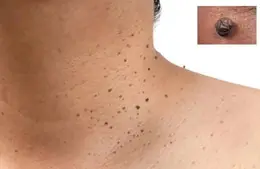
In many cases, tiny bumps on the neck are not serious. One of the most common causes is acne or clogged pores, especially if you sweat frequently or don’t cleanse the skin thoroughly. These bumps may appear as small, skin-colored or slightly red spots.
Another frequent cause is ingrown hairs, which can happen after shaving or friction from clothing. These bumps are often mildly irritated but tend to go away on their own.
You may also notice enlarged lymph nodes, which are small glands that become more noticeable when your body is fighting a mild infection such as a cold or sore throat. In this case, the bumps may feel slightly firm or tender but usually return to normal once you recover.
Skin irritation and allergic reactions
Sometimes, tiny bumps appear due to contact dermatitis, which is a reaction to skincare products, perfumes, detergents, or even fabrics. These bumps are often itchy and may come with redness or mild swelling. Identifying and avoiding the trigger usually helps the skin heal quickly.
When infections may be involved
Certain viral or bacterial infections can also cause small bumps or swollen glands in the neck area. These are often accompanied by other symptoms such as fever, fatigue, or sore throat. In most cases, the immune system clears the infection naturally, but monitoring symptoms is important.
When to pay closer attention
While most neck bumps are harmless, you should consider medical advice if you notice:
- Bumps that grow quickly or persist for several weeks
- Hard, painless lumps that do not move under the skin
- Accompanying symptoms like unexplained weight loss, fever, or night sweats
- Skin changes such as ulceration or discoloration
These signs don’t necessarily mean something serious, but they do warrant a professional evaluation to rule out underlying conditions.
Final thoughts
Tiny bumps on the neck are common and often temporary. In many cases, they are related to minor skin issues or normal immune activity. Paying attention to changes in your body is important, but it’s equally important not to panic. If anything feels unusual or persists longer than expected, a healthcare professional can provide clarity and reassurance.
Other Possible Causes of Small Bumps on the Neck
Beyond acne, irritation, and swollen lymph nodes, several other conditions can cause small bumps to appear on the neck. Recognizing their typical features may help you understand what is happening, although a visual examination is often necessary for an accurate diagnosis.
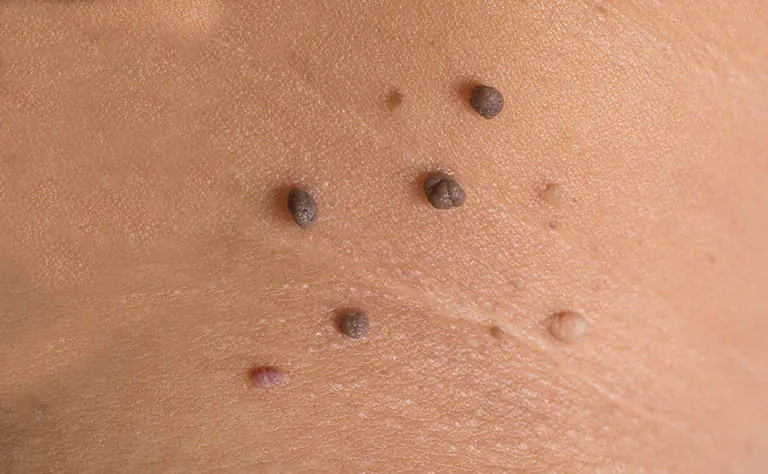
Skin tags are small, soft growths that commonly develop in areas where skin rubs against skin or clothing. They may appear on the sides of the neck, around the collar area, or beneath the chin. Skin tags are usually harmless and do not require treatment unless they become irritated, bleed, or cause discomfort.
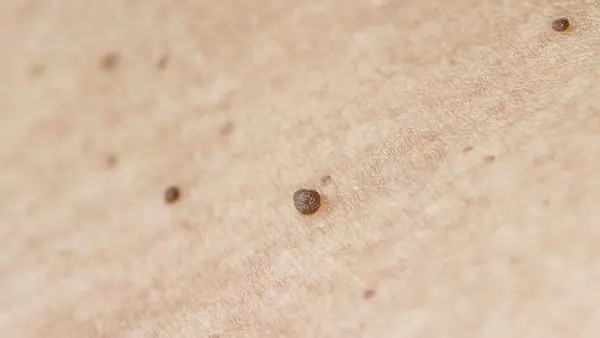
Seborrheic keratoses are another common type of noncancerous skin growth. They may look slightly raised, waxy, or rough, sometimes resembling a small patch of skin that has been stuck onto the surface. Their color can range from light brown to dark brown or nearly black.
Milia are tiny, firm, white or yellowish bumps caused by small pockets of trapped keratin beneath the skin. Although they are more commonly noticed on the face, they can occasionally develop on the neck. They are generally harmless and should not be squeezed, as doing so can irritate or damage the skin.
Folliculitis, meanwhile, occurs when hair follicles become inflamed, sometimes because of bacteria, yeast, shaving, or friction. It can produce clusters of small red bumps or pimples, occasionally with white tips. Mild cases may improve with gentle cleansing and avoiding irritation.
Could a Neck Lump Be Related to the Thyroid?
Not every lump in the neck comes from the skin or lymph nodes. The thyroid gland is located at the front of the lower neck, just below the voice box. Sometimes, thyroid nodules or an enlarged thyroid can create a noticeable swelling in this area.
Many thyroid nodules are benign and cause no symptoms. They are often discovered during a routine physical examination or an imaging test performed for another reason. However, some may cause difficulty swallowing, a feeling of pressure in the throat, or changes in the voice.
A lump near the front of the neck that moves when swallowing may be related to the thyroid, although this feature alone cannot establish a diagnosis. A healthcare professional may recommend a physical examination, thyroid blood tests, or an ultrasound depending on the findings.
How to Care for Minor Neck Bumps
If the bumps appear to be related to mild skin irritation or clogged pores, a few simple habits may help prevent further irritation.
-
Keep the area clean: Wash the neck gently with lukewarm water and a mild cleanser, especially after sweating.
-
Avoid harsh products: Strong fragrances, exfoliants, and alcohol-based products may worsen irritation.
-
Choose comfortable clothing: Tight collars and rough fabrics can create friction and aggravate existing bumps.
-
Avoid picking or squeezing: This can introduce bacteria, increase inflammation, and potentially cause scarring.
-
Be careful when shaving: Use a clean razor, shave in the direction of hair growth, and avoid repeatedly passing over irritated skin.
If you suspect a reaction to a new skincare product, perfume, or detergent, stop using the suspected product temporarily and observe whether the irritation improves. However, persistent or worsening symptoms should be assessed by a medical professional.
When Should You See a Doctor?
One important distinction is whether the bumps are located on the surface of the skin or deeper underneath it.
Small surface bumps may be related to skin conditions, while deeper lumps may involve lymph nodes, the thyroid, salivary glands, or other structures in the neck. A new unexplained lump should not automatically be assumed to be a skin problem.
Arrange a medical evaluation if a lump:
-
Continues to grow or does not improve over two to three weeks
-
Feels hard, fixed, or unusually large
-
Appears without an obvious infection
-
Is accompanied by persistent fever, night sweats, or unexplained weight loss
-
Occurs alongside ongoing hoarseness, difficulty swallowing, or persistent throat discomfort