Did You Know? Those Small White Bumps in Your Mouth Might Be Telling You More Than You Think
When you first notice tiny white bumps inside your mouth, it’s easy to panic. Are they dangerous? Are they contagious? Or are they just harmless little annoyances? The truth is, these bumps can mean different things depending on their appearance, location, and accompanying symptoms.
Let’s break it down in a way that actually makes sense—no medical jargon overload, just straight facts.
What Are These White Bumps, Really?
5
Those white bumps you see could be one of several things:
- Tonsil stones (tonsilloliths)
- Canker sores (aphthous ulcers)
- Oral thrush (fungal infection)
- Leukoplakia (white patches)
- Mucus cysts or blocked glands
Each has a different cause, and more importantly, a different level of concern.
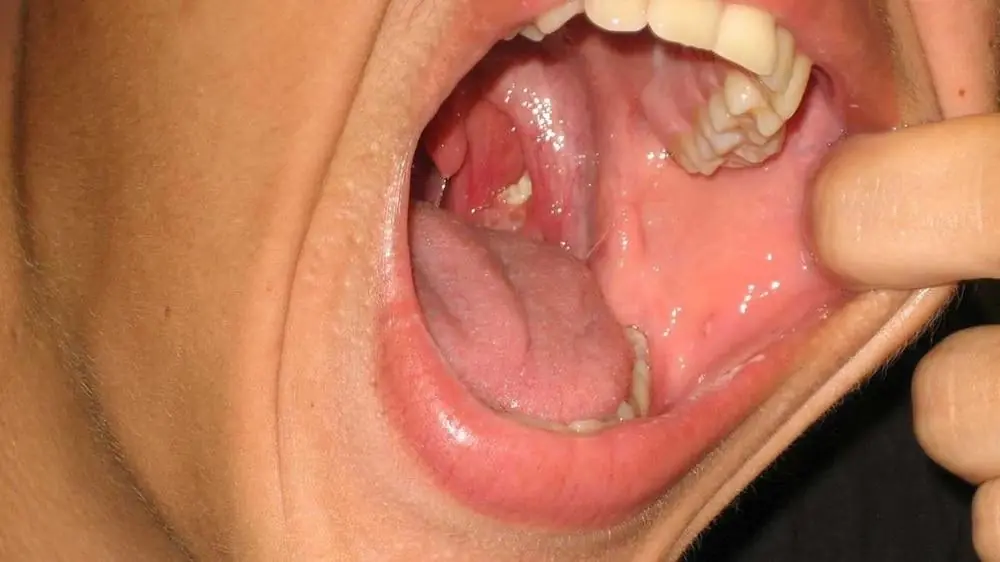
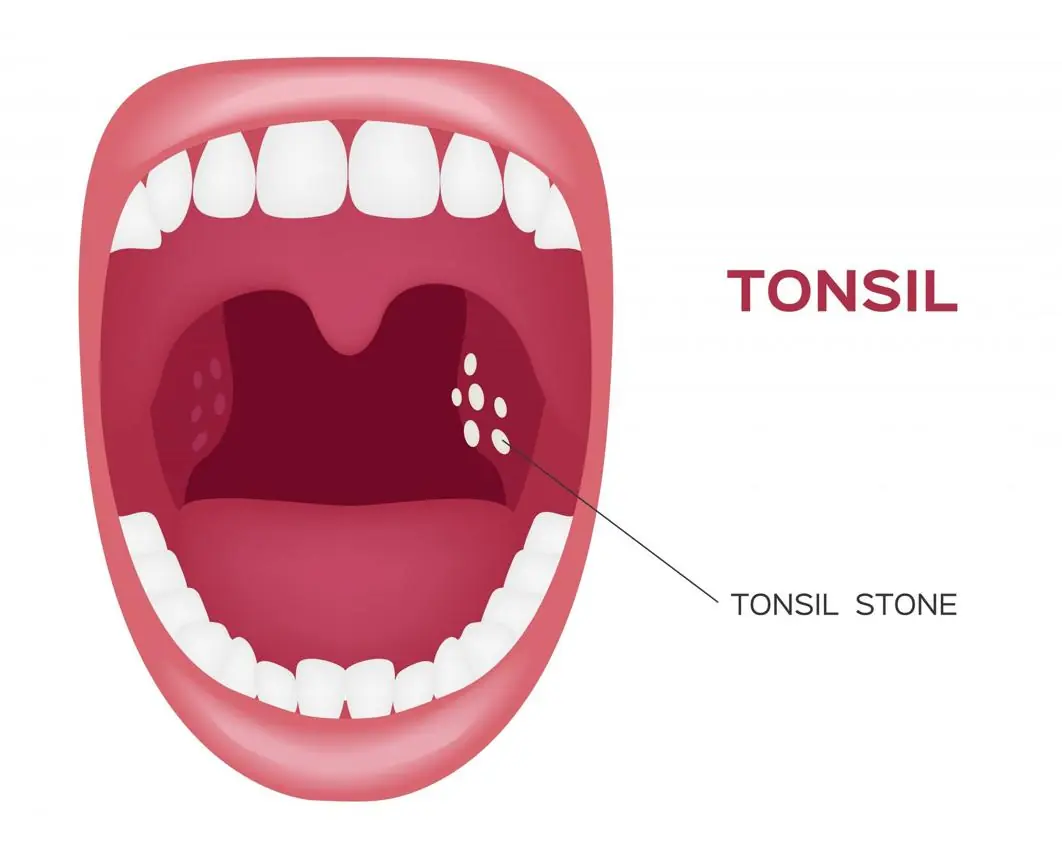
1. Tonsil Stones – The Most Common Culprit
If the bumps are located near the back of your throat, especially in the tonsil area, there’s a high chance they’re tonsil stones.
What causes them?
Food debris, bacteria, and dead cells get trapped in the crevices of your tonsils. Over time, they harden into small, white or yellowish lumps.
Symptoms include:
- Bad breath (seriously, it can be strong)
- Feeling like something is stuck in your throat
- Mild discomfort when swallowing
Good news?
They’re usually harmless and can sometimes be removed with gentle rinsing or natural dislodging.
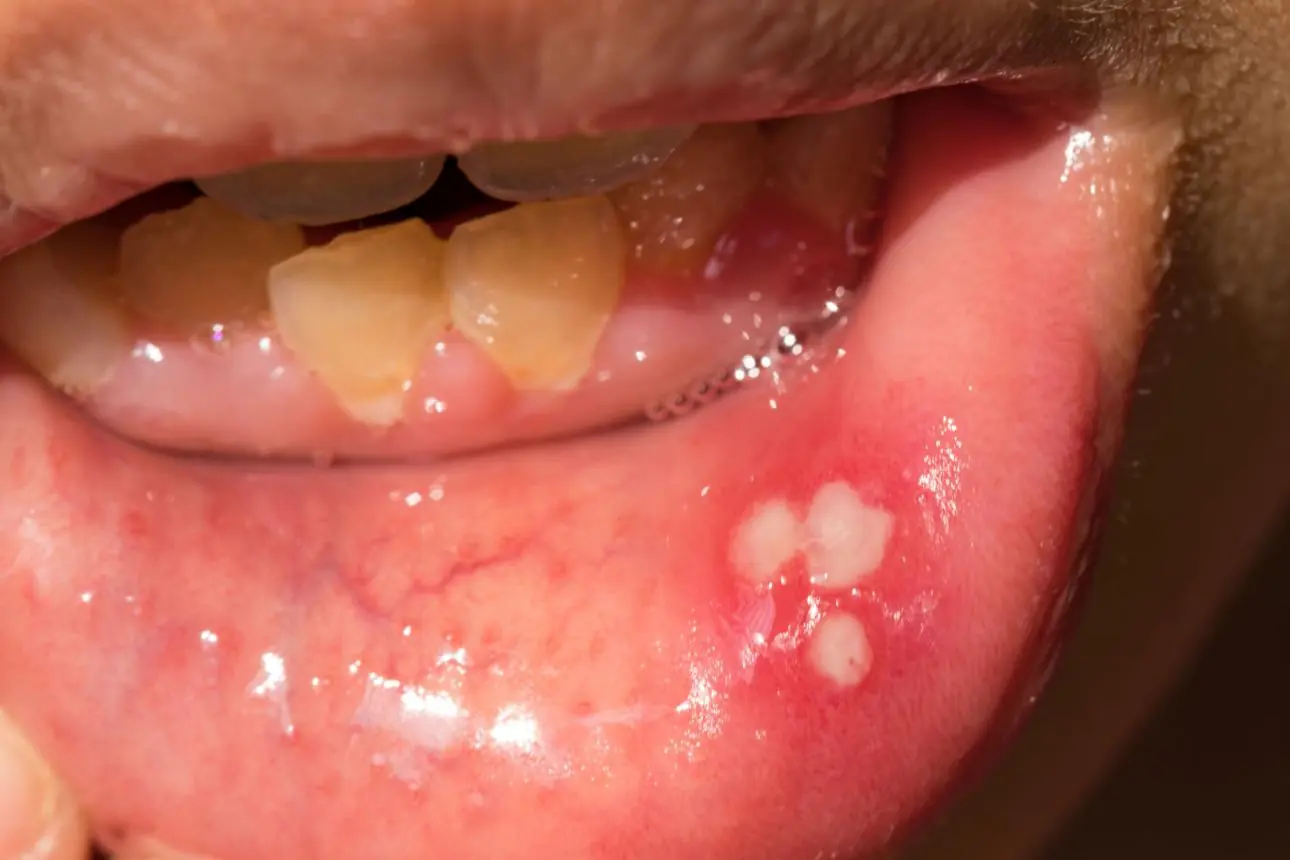
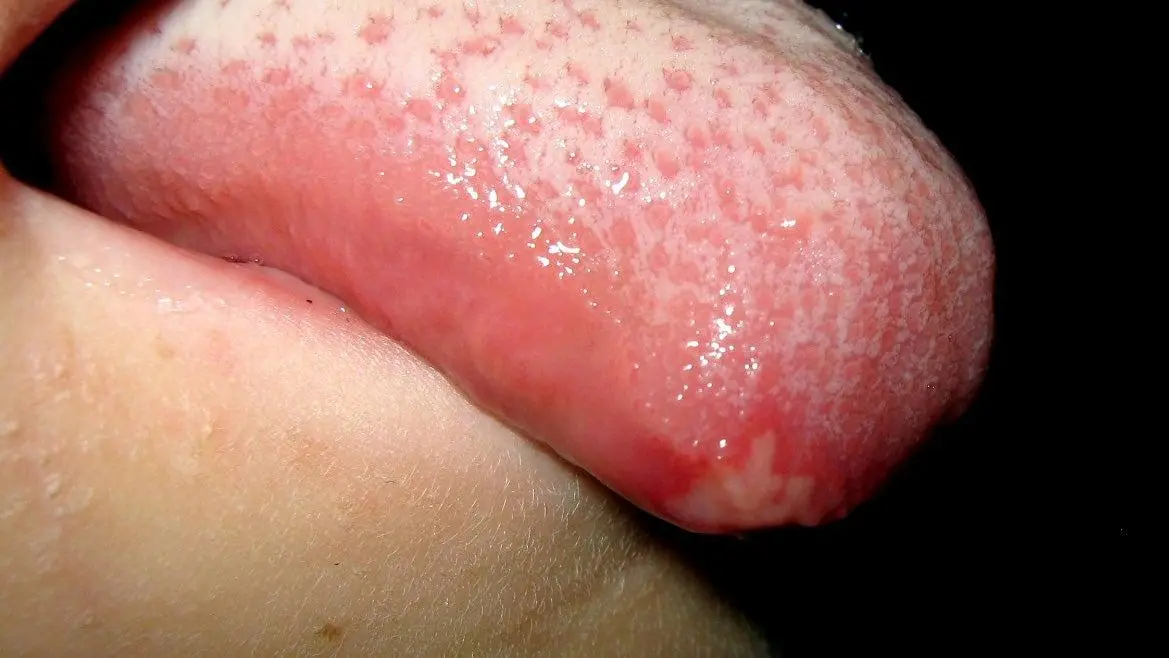
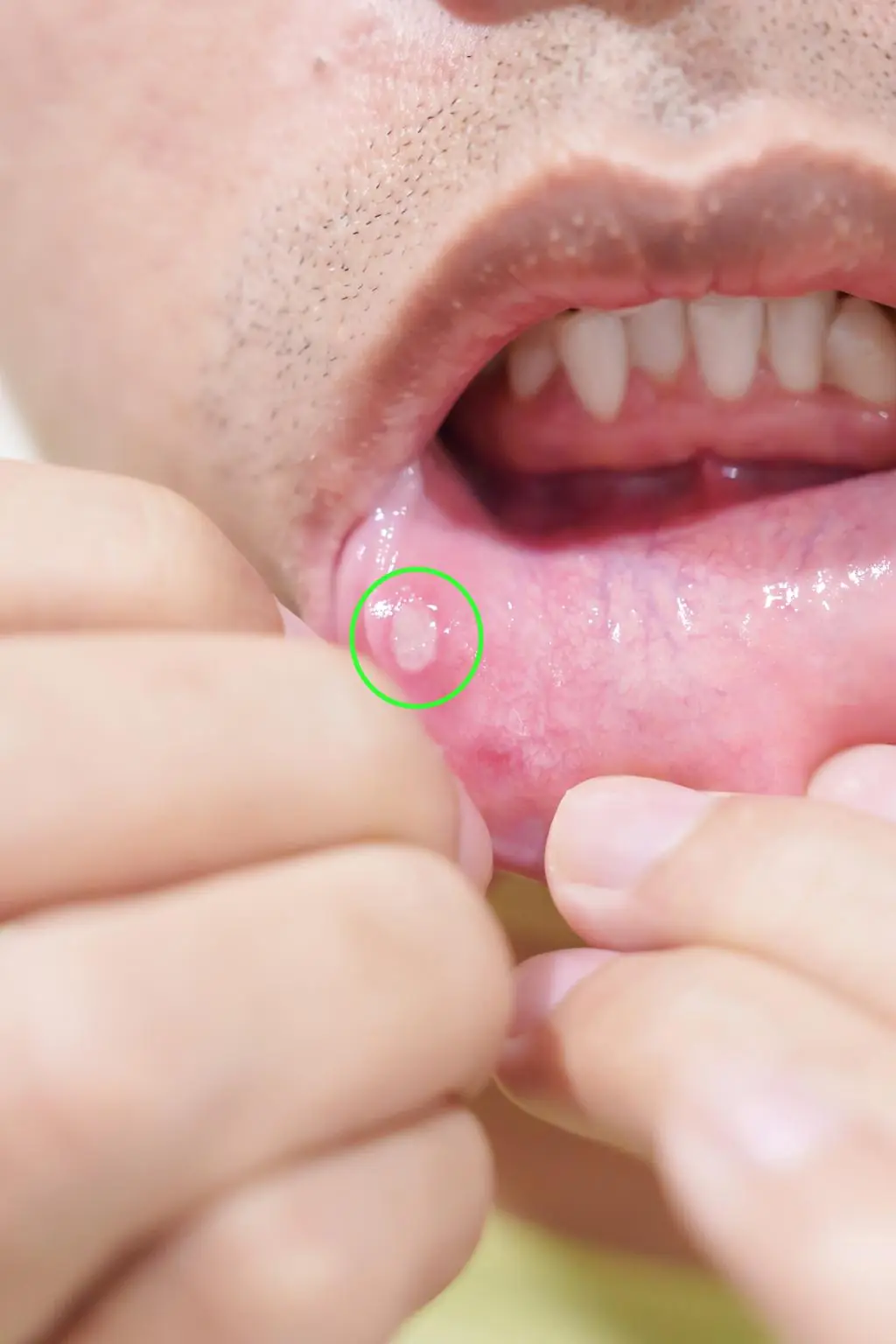
2. Canker Sores – Painful but Not Dangerous
5
These are small, round white ulcers surrounded by a red border. Unlike tonsil stones, they’re usually painful.
Triggers may include:
- Stress
- Minor injury (like biting your cheek)
- Acidic or spicy foods
- Hormonal changes
What to expect:
They typically heal on their own within 7–14 days, but during that time, eating can feel like a challenge.
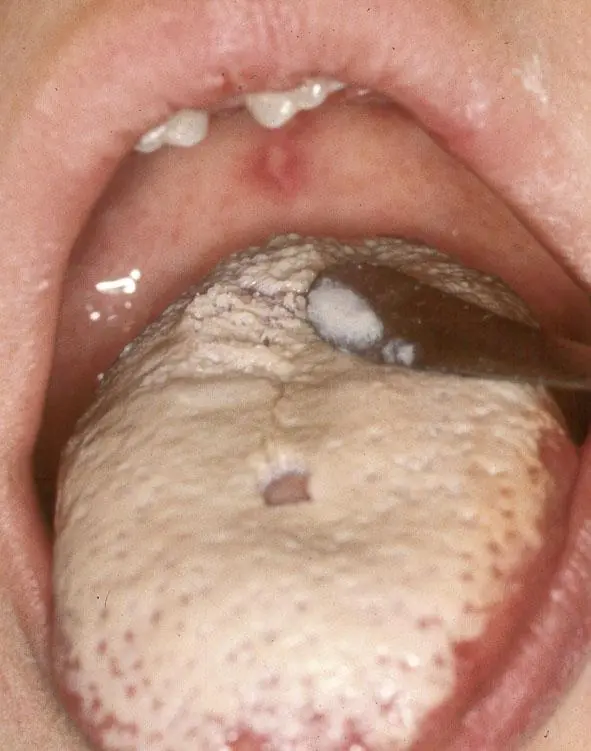
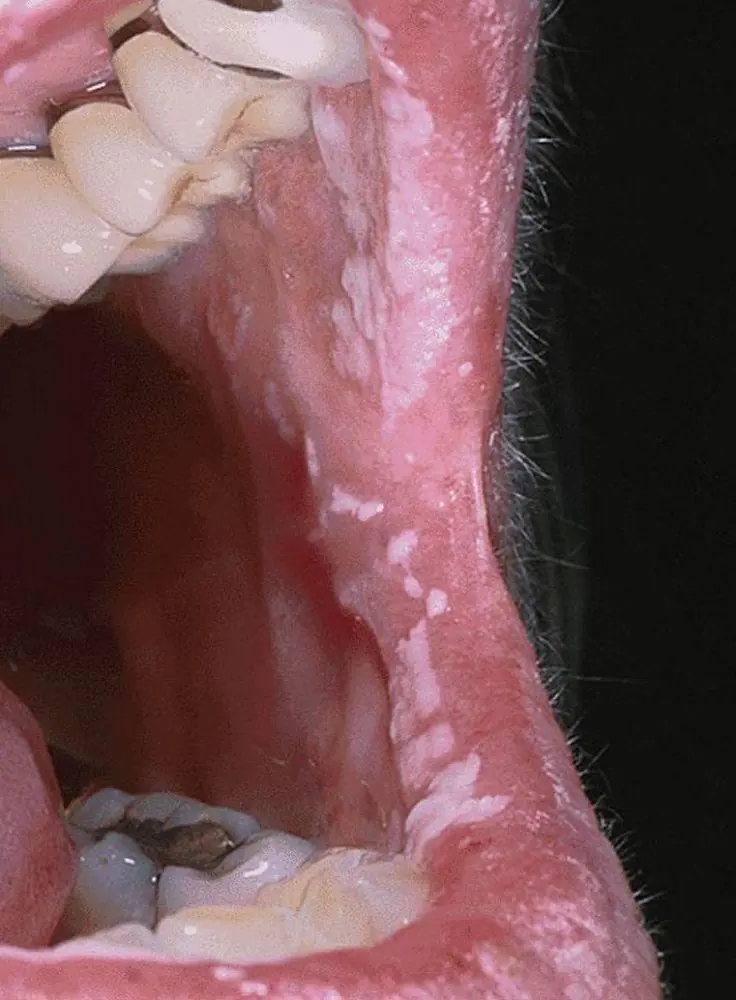
3. Oral Thrush – A Fungal Infection You Shouldn’t Ignore

5
If the white bumps look more like creamy patches and can be wiped off (sometimes leaving redness underneath), it might be oral thrush.
Common in:
- People with weakened immune systems
- Those using antibiotics frequently
- Individuals with diabetes
Why it matters:
Unlike the previous two, this condition often requires treatment, usually antifungal medication.
4. Leukoplakia – Rare but Worth Monitoring
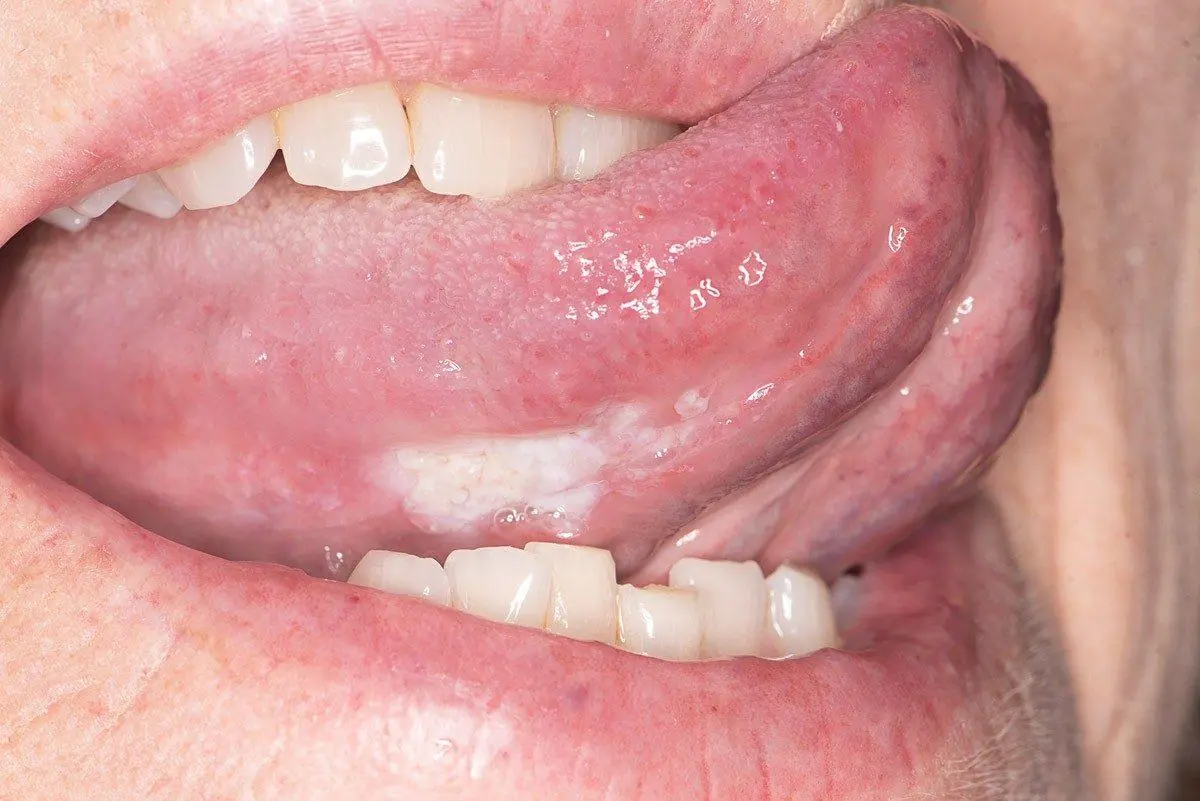
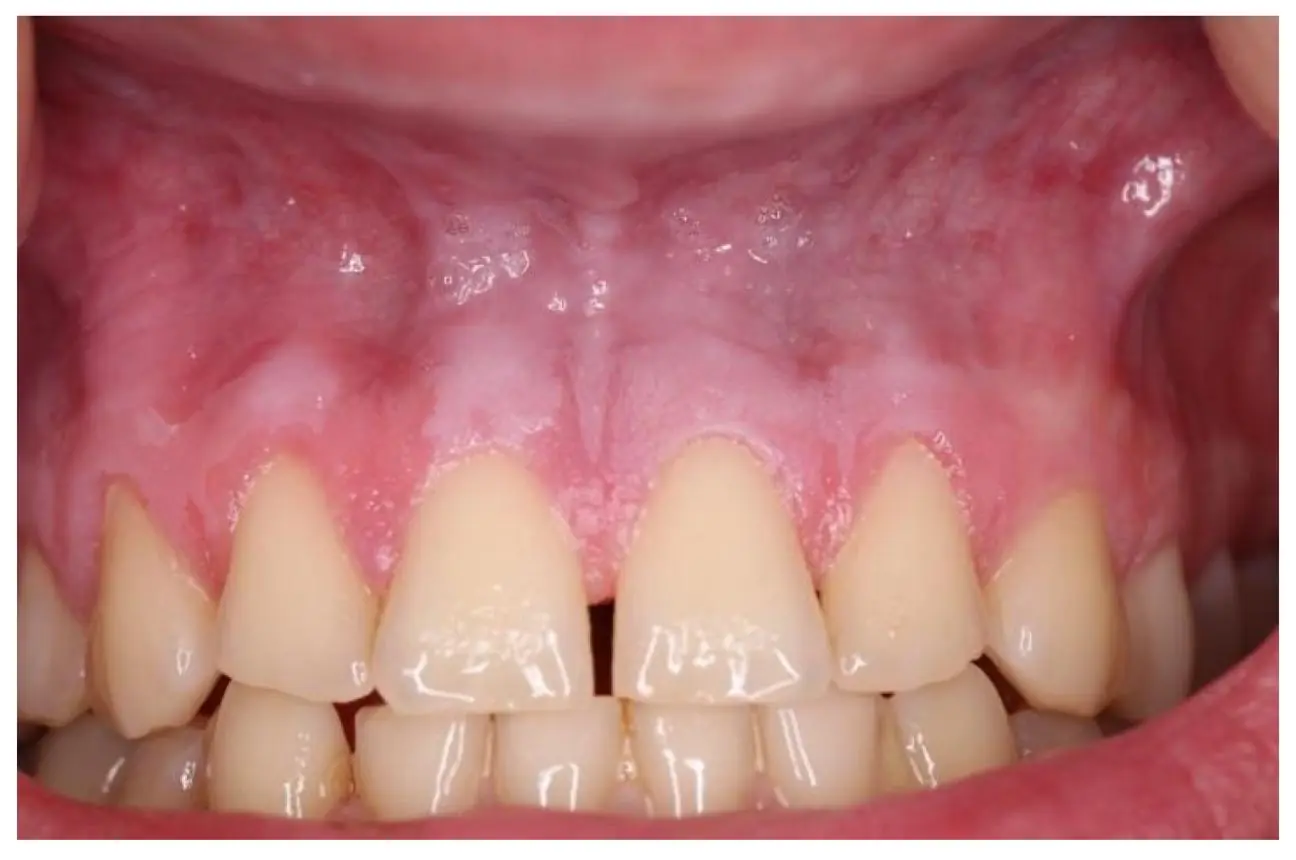
5
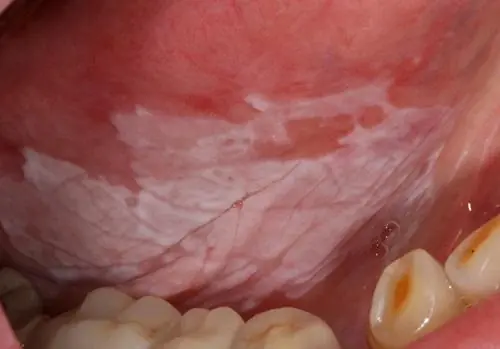
Leukoplakia appears as thick, white patches that don’t wipe away. It’s often linked to irritation, especially from smoking or alcohol use.
Important note:
Most cases are harmless, but some may be precancerous, so it’s best to have them checked if they persist.
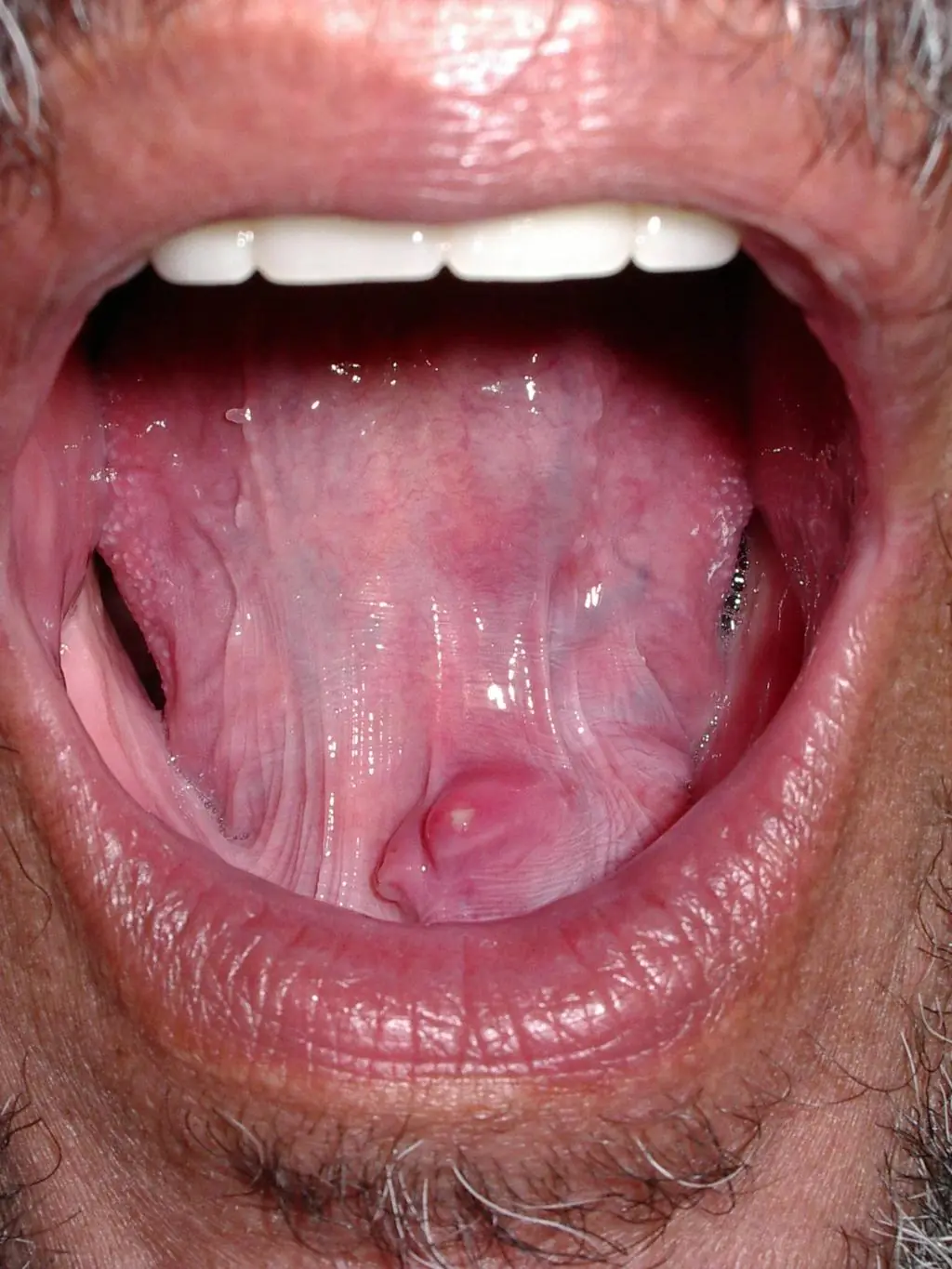
5. Blocked Salivary Glands – Small but Annoying
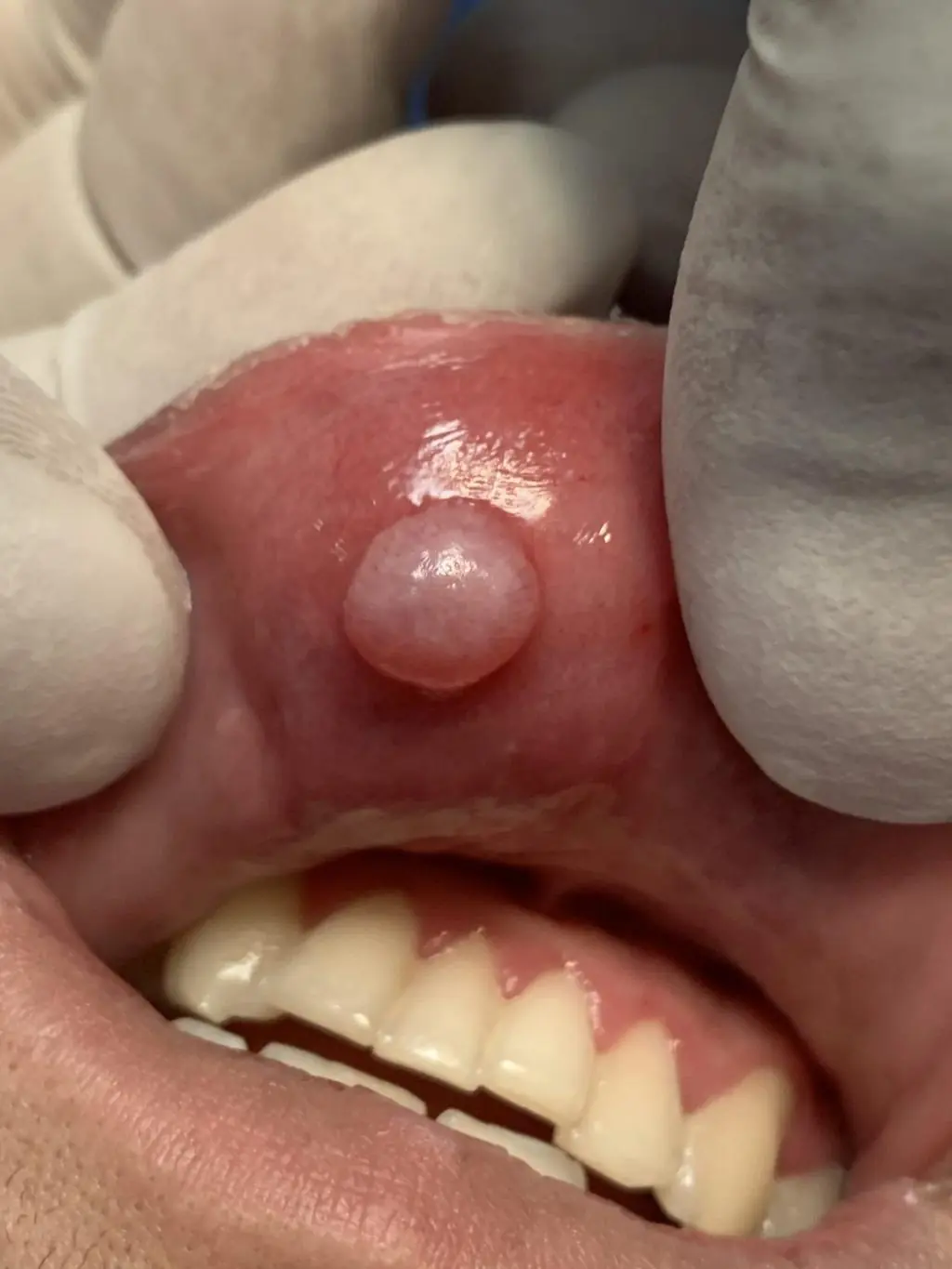
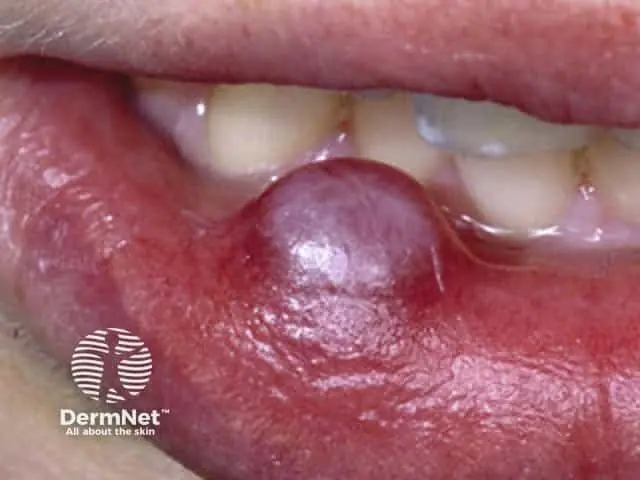
5
Sometimes, those bumps are just mucus-filled cysts caused by blocked salivary glands.
They usually:
- Feel soft or slightly firm
- Appear on the lips, tongue, or inside cheeks
- Go away on their own
When Should You Actually Worry?
Here’s the real talk: not every white bump is a big deal—but some situations deserve attention.
See a doctor if:
- The bumps don’t go away after 2–3 weeks
- You experience severe pain or difficulty swallowing
- There’s bleeding or rapid growth
- You also have fever or fatigue
How to Prevent These White Bumps
Let’s keep it simple and practical:
- Brush and floss regularly (yes, it actually matters)
- Use saltwater rinses to keep bacteria in check
- Stay hydrated
- Avoid excessive sugary or acidic foods
- Don’t ignore persistent symptoms
Final Thoughts
Not every white bump in your mouth is a reason to panic—but ignoring them isn’t the move either. Your body often gives subtle signs before something becomes serious.
The key is awareness + action:
- Know what’s normal
- Spot what’s not
- Act when needed
If something feels off, it probably is—and getting it checked early is always the smarter play.
Small White Bumps in Your Mouth: More Causes, Hidden Clues, and When to Seek Medical Care
1. Location Matters: Where the Bumps Appear Can Offer Important Clues
One of the most useful ways to understand an unusual bump in your mouth is to pay attention to its exact location. The mouth contains several different types of tissue, including delicate lining membranes, salivary glands, taste structures, and lymphatic tissue. Each can develop its own types of spots, bumps, or patches.
A small white spot on the tongue may have a very different explanation from a white lump near the tonsils or a pale patch on the inside of the cheek.
Bumps on the Tongue
The tongue naturally contains thousands of tiny structures called papillae. These structures help us taste food and move it around the mouth.
Sometimes, one or more papillae become irritated and swollen. This can create a small, raised bump that looks white or red.
Possible triggers include:
-
Accidentally biting the tongue.
-
Eating very hot food.
-
Frequent exposure to spicy or acidic foods.
-
Friction from sharp teeth or dental appliances.
-
Temporary inflammation.
A condition sometimes called transient lingual papillitis can cause small, painful bumps, often near the tip or sides of the tongue. It is generally temporary.
However, a persistent lump, an ulcer that does not heal, or a white patch that cannot be wiped away should be examined by a dentist or healthcare professional.
Bumps on the Inside of the Cheeks
The inner cheeks are particularly vulnerable to friction and accidental biting.
People who grind their teeth, chew their cheeks, or have rough dental fillings may develop areas of irritation.
A white line along the level where the upper and lower teeth meet can sometimes be a harmless friction-related change called linea alba.
This is different from a thick, irregular white patch that persists or gradually changes. Persistent patches should not automatically be dismissed as irritation.
Bumps on the Roof of the Mouth
The roof of the mouth contains both hard and soft tissue.
Small pale areas may appear after eating food that is too hot, causing a superficial burn. These areas can feel rough or tender and generally improve as the tissue heals.
Other possibilities include minor ulcers, irritation from dentures, and infections.
A bump that is hard, enlarging, repeatedly bleeding, or associated with unexplained pain deserves professional assessment.
Bumps Near the Tonsils
The tonsils contain small pockets called crypts. These natural crevices can collect food particles, bacteria, and shed cells.
This is why tonsil stones often appear as tiny white or yellowish deposits near the back of the throat.
However, white material on the tonsils is not always a tonsil stone.