We often look for complicated solutions to improve our health—special supplements, expensive detox drinks, elaborate morning routines, or the latest wellness trend.
Yet one of the simplest habits costs almost nothing:
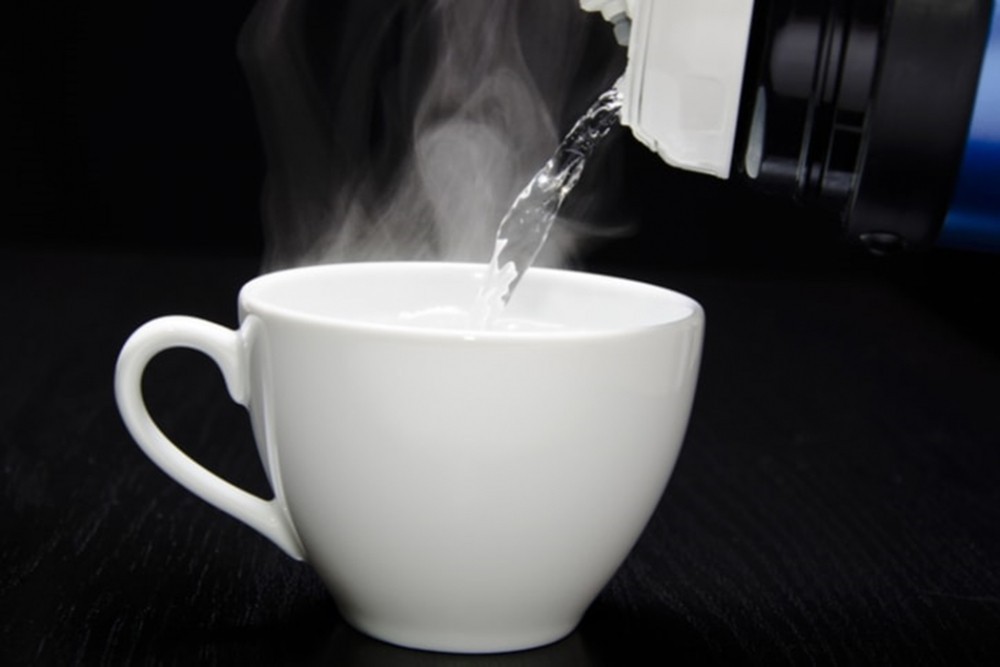
Drinking a cup of warm water.
For generations, warm water has been part of daily routines in many cultures. Some people drink it first thing in the morning, others sip it after meals, and many reach for it when they have a sore throat or feel congested.
Social media takes the claims much further. You may have heard that warm water “flushes toxins,” burns belly fat, cleans the intestines, improves circulation, or even prevents disease.
The reality is less dramatic—but still useful.
Warm water isn't a miracle drink, and in most situations it isn't inherently healthier than cool water. Its biggest advantage is simple: if you enjoy drinking it, it can help you stay adequately hydrated. The warmth may also provide temporary comfort for the throat and digestive system.
Here are some potential benefits worth knowing—and a few popular myths you shouldn't automatically believe.
1. It Helps You Stay Hydrated
This is the most important benefit, and it's also the easiest to overlook.
Your body depends on water.
Water helps regulate body temperature, transport nutrients, remove waste, lubricate joints, support digestion, and maintain normal cellular function.
When you don't drink enough fluids, you may experience symptoms such as:
• Thirst
• Dry mouth
• Darker urine
• Headaches
• Fatigue
• Dizziness
• Reduced concentration
Drinking warm water contributes to your daily fluid intake just like drinking cool water does.
There is no magical hydration advantage simply because the water is warm.
However, if you find warm water more pleasant—especially during cold weather—you may naturally drink more of it.
And that can make a meaningful difference.
2. A Morning Cup Can Replace Fluids Lost Overnight
You typically go several hours without drinking while you're asleep.
Meanwhile, your body continues losing water through breathing, perspiration, and urine production.
That's why many people wake up thirsty.
Having a cup of water after waking is an easy way to begin replenishing fluids.
Does the water have to be warm?
No.
Room-temperature or cool water works perfectly well.
But some people find warm water gentler and more pleasant first thing in the morning.
The best temperature is ultimately the one that encourages you to drink enough.
3. Warm Water May Feel Soothing to the Digestive System
Water plays an important role in normal digestion.
It helps food move through the gastrointestinal tract and contributes to normal stool consistency.
Some people also find warm drinks comforting after meals.
There's a popular belief that cold water “hardens fat” inside the digestive system and that hot water “melts” it.
That's not how human digestion works.
Your body carefully regulates its internal temperature, and dietary fat is broken down primarily through digestive processes involving enzymes and bile—not because you drank hot water.
Still, drinking adequate fluid supports normal gastrointestinal function.
So if warm water helps you drink more throughout the day, your digestive system may benefit indirectly.
4. It May Help With Constipation
If you're constipated, hydration is one factor worth considering.
Not drinking enough fluids can contribute to hard, dry stools in some people.
Increasing fluid intake can be particularly helpful when dehydration is part of the problem.
A warm drink in the morning may also stimulate the natural gastrointestinal response that occurs after eating or drinking, prompting some people to have a bowel movement.
However, warm water isn't a guaranteed constipation cure.
Persistent constipation can be related to inadequate fiber, low physical activity, medication side effects, irritable bowel syndrome, pelvic floor problems, or other medical conditions.
For better digestive health, combine adequate hydration with fiber-rich foods and regular physical activity.
5. Warm Water Can Be Comforting for a Sore Throat
This is one situation where temperature can make a noticeable difference in comfort.
When your throat is irritated, a warm drink may feel soothing.
Warm water can keep the mouth and throat moist and may temporarily reduce the uncomfortable sensation of dryness or scratchiness.
Adding a little honey may provide additional relief for some coughs.
But remember:
Honey should never be given to children under one year old because of the risk of infant botulism.
Warm water can provide comfort, but it doesn't cure strep throat, influenza, pneumonia, or other infections that may require specific treatment.
6. It May Help You Manage Thick Mucus
When you're sick with a cold or another respiratory infection, staying hydrated is important.
Adequate fluid intake helps prevent secretions from becoming excessively thick.
Warm liquids may feel especially pleasant when your nose or throat is congested.
The steam rising from a warm drink can also temporarily make the nose feel more comfortable.
However, drinking hot water doesn't “clean your lungs.”
Your respiratory tract has its own mechanisms for removing mucus and foreign particles.
Warm fluids primarily provide hydration and symptomatic comfort.
7. It Can Become a Relaxing Daily Ritual
Not every health benefit has to involve dramatic biochemical changes.
Sometimes the ritual itself matters.
Sitting quietly with a warm cup of water can create a brief pause in a busy morning or evening.
Warm beverages are often associated with comfort and relaxation.
If replacing a sugary drink with warm water becomes part of your routine, the habit may have an additional nutritional benefit.
For example, replacing a sweetened beverage containing 150 calories with plain water eliminates those calories and added sugars from that occasion.
Over weeks and months, repeated substitutions can add up.
8. Can Warm Water Improve Blood Circulation?
You've probably encountered this claim online.
Warmth can cause blood vessels near the skin to temporarily widen, which is why hot showers and warm environments can make your skin appear flushed.
But drinking one cup of warm water isn't a clinically established treatment for poor circulation.
Your cardiovascular health depends on much larger factors, including:
Physical activity
Blood pressure
Blood cholesterol
Blood glucose
Smoking
Body weight
Diet
Genetics
Warm water can contribute to hydration, which is important for normal physiological function, but don't rely on it to treat circulation problems.
?qlt=85&wid=1024&ts=1699183517402&dpr=off)
9. Does Warm Water “Detox” Your Body?
This is one of the most common wellness claims—and one of the most misunderstood.
Your body already has highly sophisticated systems responsible for processing and eliminating waste.
Your liver chemically processes many substances.
Your kidneys filter blood and produce urine.
Your lungs eliminate carbon dioxide.
Your gastrointestinal system removes waste through stool.
Water is essential for these processes.
But drinking warm water doesn't suddenly activate a special detoxification pathway.
Think of hydration as supporting the body's normal functions rather than “flushing toxins” out.
That's both more accurate and more impressive when you consider how sophisticated your organs actually are.
10. Can Warm Water Burn Belly Fat?
Unfortunately, no beverage can selectively melt abdominal fat.
Drinking hot water doesn't raise your metabolism enough to produce meaningful fat loss on its own.
Fat loss generally occurs when the body consistently uses more energy than it receives over time.
Diet quality, total calorie intake, physical activity, sleep, medications, hormones, and other factors can all influence weight.
However, plain warm water can still support a weight-management strategy in one important way.
It contains zero calories.
If you replace soda, sweetened coffee, energy drinks, or other high-calorie beverages with plain water, you may significantly reduce your calorie and added-sugar intake.
That's a genuine benefit.
11. What About Warm Lemon Water?
Lemon water has become a morning wellness classic.
Adding lemon can make water more flavorful, which may encourage some people to drink more.
Lemon also provides small amounts of vitamin C and other compounds.
But lemon water doesn't magically burn fat or detox the liver.
There's also a downside people sometimes overlook.
Frequent exposure to acidic drinks can contribute to tooth enamel erosion.
If you regularly drink lemon water, consider rinsing your mouth with plain water afterward and avoid brushing your teeth immediately after consuming highly acidic beverages.
People with acid reflux may also find that citrus worsens their symptoms.
12. Ginger Can Be Another Option
If plain warm water feels boring, a small amount of fresh ginger can add flavor.
Ginger has been studied for several potential effects, particularly its ability to help with certain types of nausea.
A simple ginger drink can be made by steeping sliced fresh ginger in hot water and allowing it to cool to a comfortable temperature.
But again, there's no need to turn every cup of water into a complicated herbal preparation.
Plain water works perfectly well for hydration.
13. Don't Drink Water That Is Too Hot
This is one of the most important precautions.
“Warm” and “scalding hot” are not the same thing.
Very hot beverages can burn the mouth, tongue, and esophagus.
Repeated consumption of beverages at extremely high temperatures has also raised health concerns.
So don't force yourself to drink water while it's painfully hot because someone online claims higher temperatures provide greater benefits.
They don't.
Allow boiled water to cool until it reaches a comfortable drinking temperature.
If it burns your mouth, it's too hot.
14. How Much Water Do You Actually Need?
You've probably heard the universal rule of eight glasses per day.
In reality, fluid requirements vary.
Your needs depend on factors including:
• Body size
• Physical activity
• Climate and temperature
• Pregnancy or breastfeeding
• Diet
• Medications
• Medical conditions
And remember: water also comes from food and other beverages.
Fruits, vegetables, soups, milk, tea, coffee, and many other foods and drinks contribute to total fluid intake.
For many healthy adults, thirst and urine color can provide useful everyday clues about hydration.
Persistently dark urine may indicate that you need more fluid, although certain foods, supplements, medications, and medical conditions can also change urine color.
15. More Water Isn't Always Better
If hydration is healthy, drinking huge quantities must be healthier, right?
No.
Drinking excessive amounts of water within a short period can dilute sodium levels in the blood, potentially causing a dangerous condition called hyponatremia.
This is uncommon in ordinary daily life but can occur when people consume extreme amounts of water.
People with certain heart, kidney, or liver conditions may also be advised to restrict fluid intake.
If your healthcare professional has given you a specific fluid limit, follow that recommendation rather than increasing water intake based on general wellness advice.
An Easy Morning Routine
If you enjoy warm water, there's no need to make the routine complicated.
After waking up:
Heat some clean drinking water.
Allow it to cool until comfortably warm.
Drink one cup slowly.
Then continue with your normal breakfast and morning routine.
That's it.
You don't need cayenne pepper, apple cider vinegar, expensive powders, detox drops, or a dozen supplements.
If you enjoy lemon or ginger and tolerate them well, they're optional—not essential.
What One Cup of Warm Water Cannot Do
It's worth keeping expectations realistic.
A daily cup of warm water cannot:
Cure diabetes.
Clean blocked arteries.
Reverse fatty liver disease overnight.
Melt abdominal fat.
Cure high blood pressure.
Eliminate infections.
Remove mysterious “toxins” from your organs.
Replace prescribed medication.
If a social media post claims otherwise, be skeptical.
Water is essential precisely because it supports so many ordinary biological functions—not because it acts like a miracle drug.
The Bottom Line
A cup of warm water may seem almost too simple to matter.
But simple habits can still be worthwhile.
Warm water contributes to hydration, may soothe an irritated throat, can feel comforting when you're congested, and may support normal bowel function when inadequate fluid intake contributes to constipation.
Perhaps most importantly, choosing plain water instead of sugar-sweetened beverages can reduce unnecessary calories and added sugar.
But there's no compelling evidence that warm water has extraordinary powers that ordinary water doesn't.
Its biggest advantage may simply be that some people find it easier and more enjoyable to drink.
And if enjoying your water helps you stay consistently hydrated, that's already a win.
So tomorrow morning, before reaching for another complicated wellness concoction, consider starting with something much simpler:
One cup of comfortably warm water.
No miracle promises. No “detox” hype. Just hydration and a small habit that's easy enough to maintain.