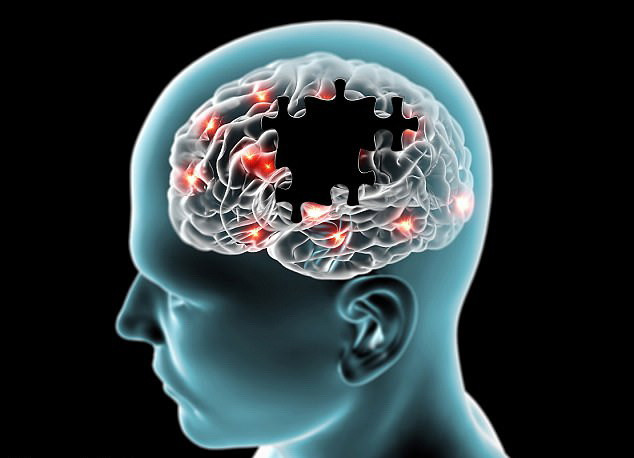
Alzheimer’s disease is one of the most challenging health issues of our time - a condition that slowly affects memory, thinking, and daily functioning. With no absolute cure yet, scientists around the world have been searching for lifestyle factors that can help reduce risk or delay onset.
A recent study has sparked major interest after suggesting that eating more than one egg per week may reduce the risk of Alzheimer’s disease by up to 47%.
This finding has turned the spotlight back onto a simple, everyday food many people already enjoy: eggs.
But what exactly makes eggs so beneficial for the brain? And should we all be adding more eggs to our weekly meals?
Let’s break it all down - the science, the nutrients, and what it means for long-term cognitive health.

Why Eggs Are Being Linked to Better Brain Health
Eggs may look simple on the outside, but nutritionally, they’re straight-up brain fuel.
They contain a powerful combination of vitamins, minerals, and bioactive nutrients that play important roles in memory, cognitive performance, nerve function, and brain protection.
Here are the three superstar nutrients inside eggs:
1. Choline: The Memory-Boosting Powerhouse
Choline is probably the most talked-about brain nutrient found in eggs - especially in the yolk.
Why choline matters:
-
It helps the body produce acetylcholine, a neurotransmitter that controls memory, learning, and nerve communication.
-
Low choline levels have been linked to impaired memory and cognitive decline.
-
Adequate choline has been associated with lower risk of neurodegenerative disorders.
One large egg contains around 147 mg of choline, making it one of the richest natural sources in the human diet.
This nutrient alone gives eggs a massive advantage when it comes to supporting long-term brain health.
2. Lutein: The Antioxidant That Protects Brain Cells
Lutein is usually associated with eye health, but researchers now know it also accumulates in the brain.
Why lutein helps:
-
Acts as a brain-protective antioxidant
-
Helps reduce cellular stress
-
Supports faster processing speed
-
Plays a role in preserving cognitive performance with age
Some studies show that individuals with higher lutein levels tend to perform better on memory and reasoning tasks.
3. Essential Vitamins: B12, B6, & Folate
Eggs also provide B vitamins, which work together to maintain healthy brain chemistry.
They help:
-
Reduce homocysteine, a compound linked to brain shrinkage
-
Support nerve function
-
Contribute to energy production in brain cells
Deficiency in these vitamins is associated with memory loss, confusion, and cognitive decline - especially in older adults.

What the New Study Suggests
The study that sparked this conversation examined dietary habits and brain health outcomes. Researchers found that participants who consumed more than one egg per week had significantly lower risk of developing Alzheimer’s disease - up to 47% lower in some groups.
Before jumping to conclusions, here’s what matters:
-
This type of research shows correlation, not absolute cause-and-effect.
-
But the results still suggest that eggs may play a supportive role in long-term cognitive health.
-
The brain-enhancing nutrients inside eggs give biological reasons why this connection makes sense.
Think of it like this:
Eggs won’t “cure” anything - but they may help create the nutritional conditions that protect your brain over time.
How Eggs Fit Into a Brain-Healthy Lifestyle
Eating eggs alone won’t guarantee protection from Alzheimer’s. But adding them into a healthy routine can support brain function in meaningful ways.
Here’s how eggs work alongside other healthy habits:
1. Combine Eggs With a Balanced Diet
A brain-protective diet includes:
-
Leafy greens
-
Fatty fish
-
Nuts and seeds
-
Whole grains
-
Berries
-
Olive oil
Eggs complement this perfectly by providing:
-
High-quality protein
-
Healthy fats
-
Brain-specific nutrients (choline, lutein)
2. Regular Exercise Boosts the Benefits
Physical activity:
-
Increases blood flow to the brain
-
Supports new neuron growth
-
Reduces inflammation
Together with a nutrient-rich diet, exercise helps maintain cognitive performance throughout life.
3. Mental Stimulation Matters
Learning new skills, reading, and challenging your mind:
-
Strengthen neural connections
-
Build cognitive reserve
-
Slow down age-related decline
Food fuels the brain - but mental activity trains it.
4. Prioritize Sleep & Stress Management
Chronic stress and poor sleep are strongly linked to memory loss.
Nutrients from eggs support neurotransmitters, but lifestyle factors help keep the brain functioning smoothly.
How Many Eggs Should You Eat?
Most research points to:
-
1–6 eggs per week as beneficial
-
Whole eggs are healthier than egg whites alone (the yolk contains the nutrients)
Unless you have specific medical conditions like severe cholesterol issues (and even then, modern research shows eggs are not usually the cause), eggs are generally safe and healthy for most people.
How to Add Eggs to Your Weekly Diet
Here are some easy, brain-friendly ideas:
-
Hard-boiled eggs as a snack
-
Omelet with spinach and tomatoes
-
Poached eggs on whole-grain toast
-
Scrambled eggs with avocado
-
Egg-and-veggie breakfast bowls
-
Egg salad with Greek yogurt instead of mayo
The goal isn’t to eat tons of eggs - just consistent, moderate intake.
Final Thoughts
This new research strengthens what nutrition experts have been saying for years:
simple foods can have powerful effects on long-term brain health.
Eggs are:
-
affordable
-
nutrient-dense
-
easy to prepare
-
packed with brain-protective compounds
While they’re not a magic cure, including more than one egg per week may be one of the easiest, most delicious ways to support your memory, cognitive performance, and lifelong neurological health.
When combined with a healthy lifestyle - balanced diet, exercise, and mental training - eggs become part of a bigger picture of protecting your brain for the future.