One Month Before a Heart Attack, Your Body May Send These Warning Signs
A heart attack rarely happens without notice. In many cases, the body begins sending subtle signals weeks in advance, often about a month before the event. The problem is that these signs are easy to dismiss as stress, fatigue, or minor health issues. Ignoring them can be dangerous.
Heart disease remains one of the leading causes of death worldwide. Recognizing early warning signs and acting quickly can save lives. Below are seven signals the body may show in the weeks leading up to a heart attack.
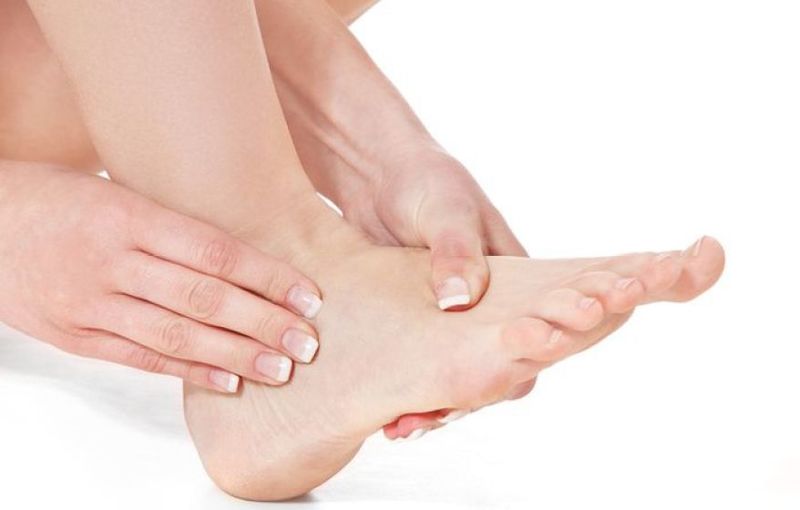
1. Swelling in the Feet, Ankles, or Legs
Swelling in the lower body can be an early sign that the heart is not pumping blood efficiently. When circulation weakens, fluid begins to accumulate in the feet and ankles.
Many people assume this is caused by standing too long or minor circulation problems. Persistent or worsening swelling should never be ignored, especially when combined with other symptoms.
2. Unusual Fatigue
Extreme or unexplained tiredness is one of the most common early signs, particularly in women.
This is not normal end-of-day tiredness. It feels overwhelming, sudden, and out of proportion to activity levels. Simple tasks like walking, showering, or climbing stairs may feel exhausting.
The heart has to work harder when arteries are narrowed, which drains the body’s energy long before chest pain appears.
3. Shortness of Breath
Difficulty breathing — even without physical exertion — can signal reduced blood flow to the heart and lungs.
People may feel breathless while resting, talking, or lying down. This symptom often appears weeks before a heart attack, but it is frequently mistaken for anxiety or lack of fitness.
4. Chest Discomfort or Pressure
Chest pain is the most well-known symptom, but early discomfort is often mild and inconsistent.
It may feel like:
-
Pressure
-
Tightness
-
Burning
-
A heavy sensation
The discomfort may come and go, making it easy to dismiss. Any recurring chest sensation should be evaluated immediately, even if it is not severe.
5. Dizziness or Lightheadedness
Reduced blood flow can affect the brain, leading to dizziness or sudden lightheadedness.
Some people experience brief fainting spells or feel unsteady when standing up. This is a sign the heart may be struggling to maintain proper circulation.
6. Pain Spreading Beyond the Chest
Heart-related pain does not always stay in the chest. It may spread to:
-
The left or right arm
-
The neck or jaw
-
The shoulders
-
The upper back
This pain may feel dull, aching, or uncomfortable rather than sharp. When pain travels, it strongly suggests a cardiac issue.
7. Cold Sweats and Nausea
Sudden sweating without physical effort — especially when accompanied by nausea or vomiting — can indicate heart distress.
Many people mistake this for food poisoning, flu, or stress. When cold sweats appear alongside fatigue, chest discomfort, or breathlessness, urgent medical attention is required.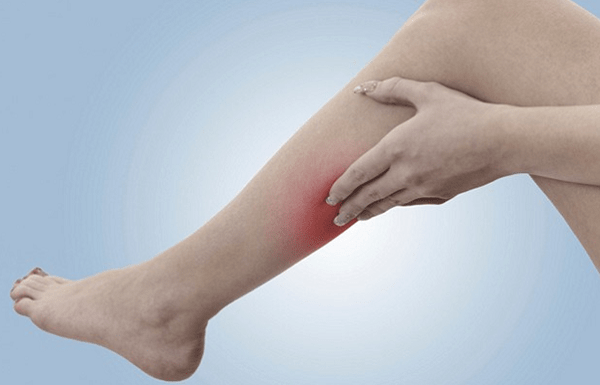
Why These Signs Are Often Ignored
These symptoms are vague and overlap with everyday problems like:
-
Stress
-
Poor sleep
-
Anxiety
-
Digestive issues
Because of this, people delay seeking help. This delay is one of the most dangerous mistakes, as early intervention significantly reduces the risk of severe damage or death.
Who Is at Higher Risk
Certain factors increase the likelihood of a heart attack:
-
Smoking
-
High blood pressure
-
High cholesterol
-
Diabetes
-
Obesity
-
Family history of heart disease
-
Chronic stress
People with these risk factors should be especially alert to early warning signs.
When to Seek Medical Help
Immediate medical attention is necessary if:
-
Multiple symptoms appear together
-
Symptoms persist or worsen over days or weeks
-
Chest discomfort occurs repeatedly
-
Shortness of breath appears suddenly
Do not wait for severe pain. Early testing such as ECGs, blood tests, and imaging can detect heart problems before a major event occurs.
Final Warning
A heart attack is rarely sudden. The body often warns first.
Listening to those warnings — even subtle ones — can mean the difference between life and death. Pay attention, act early, and never ignore what your body is trying to tell you.