Sometimes the most ordinary foods can have surprisingly useful nutritional profiles.
One example is chia seeds - tiny black, white, or gray seeds that have become increasingly popular in smoothies, oatmeal, yogurt, puddings, and healthy snacks.
Their appeal isn't difficult to understand. Despite their small size, chia seeds contain fiber, plant-based omega-3 fatty acids, protein, calcium, magnesium, phosphorus, and other nutrients. Because of that combination, researchers have explored their potential role in digestive health, blood sugar regulation, cardiovascular health, and overall nutrition.
But social media often takes this one step too far.
Chia seeds are sometimes presented as a cure for diabetes, depression, anxiety, bone pain, or constipation. They are not a cure for any of these conditions. Their real value is much more practical: they can be part of a nutritious dietary pattern that supports several systems in the body.
So what makes these tiny seeds so interesting?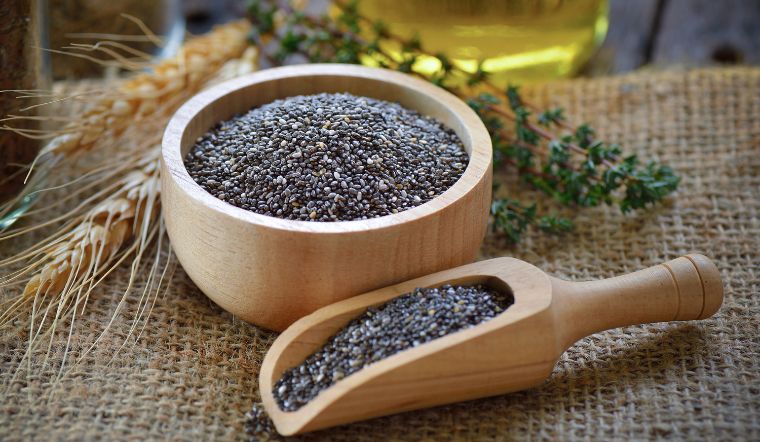
1. Chia Seeds Are Exceptionally Rich in Fiber
Perhaps the most obvious nutritional feature of chia seeds is their fiber content.
Fiber plays a major role in digestive health. It adds bulk to stool, supports regular bowel movements, and can help you feel full after eating.
When chia seeds come into contact with liquid, they absorb water and form a gel-like texture. This is largely due to their soluble fiber.
That characteristic explains why chia seeds are frequently used by people looking to increase their dietary fiber intake.
However, there is an important catch.
If someone suddenly adds a large amount of chia to their diet without increasing fluid intake, they may experience bloating, gas, or abdominal discomfort.
Start gradually and drink enough fluids.
2. They May Help With Constipation
Because chia seeds contain substantial amounts of fiber, they may be useful as part of a diet aimed at supporting regular bowel movements.
Fiber can help increase stool bulk and, when adequate fluid is available, make bowel movements easier for some people.
A simple way to incorporate chia is to add a small amount to:
-
Oatmeal
-
Plain yogurt
-
Smoothies
-
Overnight oats
-
Soups
-
Homemade energy bites
But chia seeds shouldn't be viewed as an emergency treatment for severe constipation.
If constipation is persistent, painful, accompanied by vomiting or significant abdominal swelling, or associated with blood in the stool or unexplained weight loss, medical evaluation is important.
3. Chia Contains Plant-Based Omega-3 Fatty Acids
Chia seeds are one of the richest plant sources of alpha-linolenic acid (ALA), an essential omega-3 fatty acid.
ALA is important because the body cannot produce it on its own and must obtain it from food.
Omega-3 fats are involved in numerous physiological processes, including cell membranes and cardiovascular function.
However, ALA is not the same as the EPA and DHA omega-3 fatty acids found in oily fish.
The body can convert some ALA into EPA and DHA, but the conversion is limited.
So chia seeds can contribute useful omega-3 nutrition, but they don't necessarily replace all sources of marine or algal omega-3s.
4. Chia Provides Calcium and Other Minerals
Bone health depends on a combination of nutrients, not just one.
Calcium is one of the best-known minerals involved in maintaining bones and teeth. Chia seeds provide a meaningful amount of calcium per serving, along with minerals such as magnesium and phosphorus.
Magnesium is involved in many metabolic processes, while phosphorus is an important component of bone mineral.
That doesn't mean eating chia seeds will repair damaged bones or eliminate bone pain.
Bone strength also depends on factors such as vitamin D, protein, physical activity, hormones, genetics, age, and overall health.
Still, incorporating calcium- and mineral-rich foods into a balanced diet can contribute to good nutritional foundations for bone health.
5. What About Bone Pain?
This is where it is especially important to distinguish nutrition from treatment.
Chia seeds may contribute nutrients that support normal bone metabolism, but they are not a treatment for bone pain.
Bone pain can have many causes.
It may be related to an injury, arthritis, vitamin or mineral deficiency, infection, osteoporosis-related fractures, or other medical conditions.
Persistent or unexplained bone pain should not simply be treated with dietary changes.
If the pain is severe, worsening, follows an injury, occurs with swelling, fever, weakness, or unexplained weight loss, medical evaluation is particularly important.
6. Chia Seeds May Fit Into a Blood-Sugar-Friendly Diet
Chia seeds are relatively low in digestible carbohydrate and rich in fiber.
Because fiber can slow digestion and carbohydrate absorption, meals containing chia may produce a different blood-glucose response than meals dominated by refined carbohydrates.
Some research has investigated chia consumption in relation to blood sugar and cardiovascular risk markers, but the evidence is not strong enough to consider chia a treatment for diabetes.
The bigger benefit may come from what chia replaces.
For example, adding chia to plain yogurt and berries may be more nutritionally balanced than choosing a highly sweetened dessert.
Similarly, adding chia to oatmeal can increase fiber and nutrient density.
7. Fiber Can Help Support More Stable Eating Patterns
One of the less obvious benefits of high-fiber foods is their effect on fullness.
Fiber can help slow digestion and may increase satiety.
For someone trying to manage body weight or reduce frequent snacking, incorporating fiber-rich foods can make meals more satisfying.
Since excess body weight can be a risk factor for insulin resistance and type 2 diabetes, an eating pattern that supports healthy weight management can indirectly contribute to better metabolic health.
But chia seeds are not a weight-loss shortcut.
Adding several spoonfuls to an already high-calorie diet won't automatically cause weight loss.
8. Chia Seeds May Support Heart-Healthy Nutrition
Their combination of fiber, ALA, and minerals makes chia a potentially useful component of a heart-conscious eating pattern.
Soluble and insoluble fibers can support healthy dietary patterns, while replacing some sources of saturated fat with unsaturated fats is generally favorable for cardiovascular health.
However, eating chia doesn't cancel out other cardiovascular risks.
Blood pressure, LDL cholesterol, smoking, diabetes, physical activity, genetics, sleep, and overall dietary quality all matter.
Think of chia as one useful ingredient, not a cardiovascular medicine.
9. What About Anxiety and Depression?
This is one area where health claims on the internet often become exaggerated.
Chia seeds contain omega-3 ALA, magnesium, and other nutrients that are involved in normal neurological and metabolic processes.
A nutritious diet overall may support general physical and mental well-being.
However, there is not enough evidence to say that eating chia seeds treats anxiety or depression.
Clinical depression and anxiety disorders are genuine medical conditions that may require psychotherapy, medication, lifestyle interventions, or a combination of approaches.
Replacing treatment with chia seeds could delay the help a person actually needs.
If someone is experiencing persistent sadness, hopelessness, severe anxiety, panic attacks, or loss of interest in normal activities, talking with a qualified mental-health professional is much more important than searching for a single “natural remedy.”
10. A Healthy Gut Can Influence the Bigger Picture
The digestive system and the immune system are closely connected.
Dietary fiber is especially important because some forms of fiber are fermented by gut microorganisms, producing compounds such as short-chain fatty acids.
These compounds are being studied for their potential role in gut and metabolic health.
Chia seeds therefore fit naturally into a fiber-rich diet.
But gut health isn't created by one ingredient.
Vegetables, fruits, legumes, whole grains, nuts, seeds, and other plant foods provide different types of fiber and plant compounds.
Variety is the real goal.
11. Chia Seeds Are Easy to Add to Everyday Meals
One reason chia has become so popular is that it requires very little preparation.
You can sprinkle it onto yogurt.
Mix it into oatmeal.
Add it to a smoothie.
Combine it with milk or a fortified plant beverage to make chia pudding.
Or incorporate it into homemade baked goods.
A practical serving doesn't need to be enormous.
Starting with a small amount and gradually increasing it can help your digestive system adapt to the additional fiber.
12. Soaked or Dry: Does It Matter?
Chia seeds can be eaten dry or incorporated into foods containing liquid.
Because chia absorbs water and expands, many people prefer to soak it before eating.
This can make the seeds easier to incorporate into foods such as overnight oats or pudding.
People who have difficulty swallowing or certain digestive or gastrointestinal conditions should be especially cautious about consuming large amounts of dry chia seeds on their own.
The safest preparation depends on the individual.
13. How Much Should You Eat?
There isn't a universal “correct” amount that everyone needs.
A modest serving can provide a useful amount of fiber and nutrients without overwhelming the diet.
The important thing is to increase your intake gradually if you're not accustomed to high-fiber foods.
And remember:
More is not necessarily better.
A tablespoon or two can be incorporated into a balanced meal without turning the food into a giant fiber experiment.
14. Drink Enough Fluids
This point matters whenever you significantly increase fiber intake.
Chia seeds absorb liquid and contribute substantial fiber.
If your diet suddenly contains much more fiber but your fluid intake remains low, constipation or digestive discomfort can actually become worse.
Increase fiber gradually and maintain adequate hydration according to your individual needs.
People with certain medical conditions, including some heart or kidney conditions, may have specific fluid restrictions. In those cases, personal medical advice takes priority over generic recommendations.
15. Chia Seeds Don't Replace Diabetes Medication
Someone with diabetes may be tempted to think:
“Chia is good for blood sugar, so I can eat more chia and reduce my medication.”
That is unsafe.
Prescription diabetes medications are designed to manage blood glucose through specific mechanisms.
Chia is a food.
They are not interchangeable.
Anyone taking diabetes medication should discuss significant dietary changes with their healthcare professional rather than adjusting medication independently.
The same principle applies to medication for blood pressure, cholesterol, depression, anxiety, or any other medical condition.
16. Chia Seeds Aren't a Substitute for Calcium-Rich Foods
Although chia contains calcium, it's not necessarily the best or only source.
Dairy products, calcium-fortified plant beverages, calcium-set tofu, certain fish, and other foods can contribute significant amounts.
Bone health requires an overall nutritional strategy.
Protein matters.
Vitamin D matters.
Resistance exercise matters.
Adequate calorie intake matters.
Smoking cessation matters.
And fall prevention becomes increasingly important with age.
Chia can contribute to that picture, but it isn't the picture itself.
17. Be Careful With “Detox” Claims
You may see claims that chia seeds “clean the colon,” “remove toxins,” or “detox the blood.”
These statements are misleading.
The human body already has sophisticated systems for processing and eliminating waste, particularly through the liver, kidneys, lungs, and gastrointestinal tract.
Chia's real nutritional value is much less dramatic—and much more credible.
It provides fiber, healthy fats, protein, and minerals.
That's enough.
There is no need to turn a nutritious food into a miracle cure.
18. The Best Way to Use Chia Is as Part of a Pattern
Consider two breakfasts.
The first is a bowl of heavily sweetened cereal with a sugary drink.
The second is plain yogurt, berries, oats, chia seeds, and a handful of nuts.
The chia itself isn't magically transforming the second meal.
Rather, it is contributing to a meal that contains more fiber, protein, unsaturated fat, and nutrient-dense ingredients.
That is where its real value lies.
Healthy eating is about patterns, not magic ingredients.
19. What If You Have Diabetes?
People with diabetes do not necessarily need to avoid chia seeds.
In fact, their fiber content can make them a useful component of meals.
But portion size still matters, and chia should be considered within the overall carbohydrate and calorie content of the meal.
If you're monitoring blood glucose, you can observe how your own body responds to meals containing chia and discuss the pattern with your healthcare team.
There is no universal food response.
20. What If You Have Digestive Problems?
Chia may help some people increase fiber, but it can also cause bloating or discomfort if introduced too quickly.
People with certain gastrointestinal disorders may have different tolerances for high-fiber foods.
If you have inflammatory bowel disease, a bowel obstruction history, severe swallowing difficulties, or another significant gastrointestinal condition, it's wise to discuss major dietary changes with your healthcare professional.
The Bigger Picture: One Ingredient Can't Fix Everything
The original idea behind claims about chia is understandable.
Because it contains several beneficial nutrients, people naturally wonder whether it can help with a long list of health problems.
But nutrition doesn't work like a single switch.
A food can contribute to health without treating disease.
Chia may support:
Fiber intake
Normal bowel regularity
A nutrient-rich diet
Bone-supportive nutrition
Healthy fat intake
Overall metabolic health
But it should not be presented as a cure for:
Diabetes
Depression
Anxiety disorders
Osteoporosis
Chronic bone pain
Severe constipation
Those conditions deserve appropriate medical care.
A Simple Daily Way to Include Chia
For someone who enjoys chia seeds, a simple routine might look like this:
Start with a small amount mixed into oatmeal or yogurt.
Add fruit for additional fiber and micronutrients.
Include a protein source.
Use water or an unsweetened beverage rather than relying on sugary drinks.
Then rotate other seeds, nuts, legumes, vegetables, and whole grains through your meals.
This approach provides a much broader range of nutrients than relying heavily on chia alone.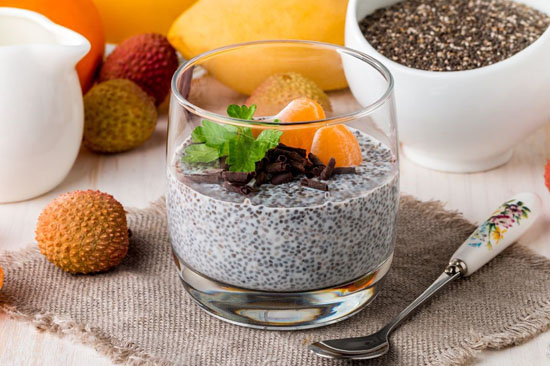
The Bottom Line
Chia seeds are a small food with an impressive nutritional profile.
They provide fiber, ALA omega-3 fatty acids, protein, calcium, magnesium, phosphorus, and other nutrients that can contribute to a healthy eating pattern.
Their high fiber content may support regular digestion, while their nutrient profile can contribute to a diet that supports bone and metabolic health.
But it's important to keep the claims realistic.
Chia seeds do not cure diabetes, anxiety, depression, osteoporosis, or bone pain.
Their role is much simpler and more useful: they can help make an already balanced diet more nutritious.
Start with a modest amount, increase gradually, drink enough fluid, and combine them with a wide variety of whole foods.
Sometimes the healthiest approach isn't finding one magical ingredient that fixes everything.
It's finding small, sustainable foods that make an already healthy lifestyle even better.