Keeping floors clean is one of the most important parts of maintaining a comfortable and healthy home. Floors collect dust, dirt, pet hair, food crumbs, and other debris every day. Even after regular sweeping and mopping, many homeowners find that floors quickly lose their shine or seem dusty again shortly after cleaning.
This has led many people to search for simple household tricks that may help improve cleaning results. One popular method involves adding a small amount of white vinegar to mop water. Supporters of this cleaning technique believe it can help remove residue, reduce odors, and leave floors looking fresher.
While vinegar is not a miracle cleaner and may not be suitable for every floor type, it has become one of the most widely used natural cleaning ingredients in homes around the world.
Let's explore why this simple addition has gained so much attention and how it may help make floor cleaning more effective.

Why Floors Seem to Get Dirty So Quickly
Many people feel frustrated when floors look dusty again only a day or two after cleaning.
Common Reasons Include
-
Foot traffic
-
Pet hair
-
Open windows
-
Outdoor dust
-
Cooking residue
-
Static electricity
Even the cleanest homes experience constant accumulation of particles.
The Goal of Effective Mopping
Good floor cleaning should:
-
Remove dirt
-
Lift residue
-
Reduce odors
-
Leave surfaces looking fresh
This is where some homeowners believe vinegar can help.
Why White Vinegar Is Popular for Cleaning
White vinegar contains acetic acid.
What Does Acetic Acid Do?
Acetic acid may help dissolve:
-
Mineral deposits
-
Soap residue
-
Certain types of grime
This makes vinegar a versatile household cleaning ingredient.
Additional Advantages
White vinegar is:
-
Affordable
-
Widely available
-
Easy to use
-
Free of added fragrances
For these reasons, many people keep a bottle in their cleaning supplies.
Potential Benefit #1: Helps Remove Residue
Over time, floors may develop a thin film caused by:
-
Cleaning products
-
Dirt buildup
-
Hard water minerals
Why This Matters
Residue can make floors appear:
-
Dull
-
Cloudy
-
Sticky
A diluted vinegar solution may help break down some of these deposits.
Potential Benefit #2: May Improve Shine
One reason homeowners use vinegar is the belief that it leaves floors looking cleaner and brighter.
How It Works
By helping remove residue, floors may reflect light more evenly.
Result
Some surfaces appear:
-
Cleaner
-
Smoother
-
More polished
The effect varies depending on floor material.
Potential Benefit #3: Helps Neutralize Odors
Household odors sometimes settle on floors.
Common Sources
-
Pets
-
Shoes
-
Food spills
-
Moisture
Vinegar is known for helping neutralize certain odors rather than simply masking them.
The Vinegar Smell
Many people worry about the vinegar scent.
Fortunately, the smell usually fades as the floor dries.
Potential Benefit #4: Cost-Effective Cleaning
Commercial floor cleaners can become expensive over time.
Vinegar Offers
-
Low cost
-
Easy storage
-
Multiple household uses
This makes it attractive for budget-conscious households.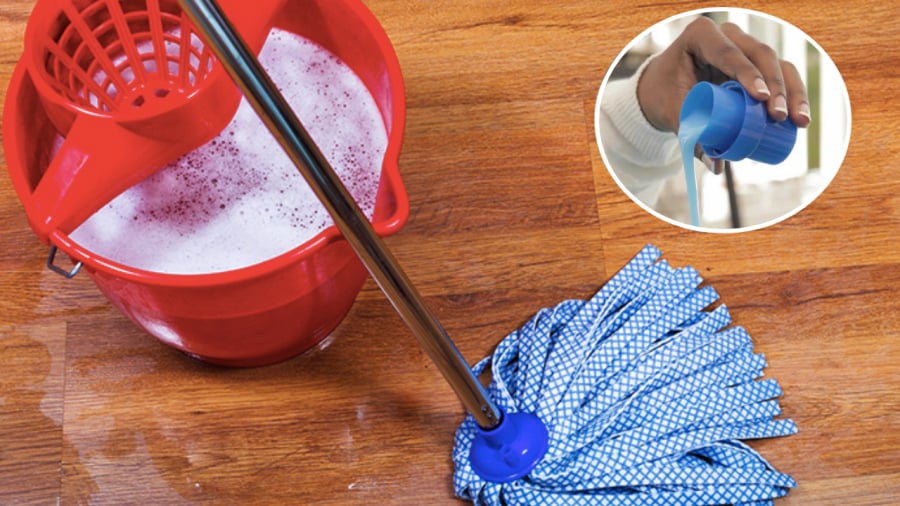
Potential Benefit #5: Reduced Product Buildup
Some cleaning products leave behind residues after repeated use.
Over Time This May Cause
-
Dull appearance
-
Streaking
-
Sticky surfaces
A properly diluted vinegar solution may help reduce buildup on compatible surfaces.
How to Use Vinegar in Mop Water
Many homeowners use a simple mixture.
Basic Formula
-
1 gallon (about 4 liters) of warm water
-
½ cup of white vinegar
Mix thoroughly before mopping.
Important Reminder
More vinegar is not necessarily better.
Excessive amounts may damage certain flooring materials.
Which Floors Can Typically Tolerate Vinegar?
Many people use diluted vinegar on:
Common Examples
-
Ceramic tile
-
Vinyl flooring
-
Laminate (according to manufacturer recommendations)
Always check the manufacturer's guidance first.
Floors That May Not Be Suitable for Vinegar
This is one of the most important considerations.
Avoid Using Vinegar On
-
Natural stone
-
Marble
-
Granite
-
Travertine
Why?
The acidity may gradually damage the surface.
Potential Effects
-
Etching
-
Dulling
-
Surface deterioration
Always verify flooring recommendations before cleaning.
Additional Tips for Cleaner Floors
Vinegar alone will not solve every cleaning problem.
Step 1: Sweep First
Removing loose debris prevents dirt from spreading during mopping.
Step 2: Use Clean Water
Dirty mop water may redistribute grime.
Step 3: Change Water When Needed
Especially when cleaning large areas.
Step 4: Clean the Mop Head
A dirty mop can reduce cleaning effectiveness.
Other Household Ingredients People Use
Vinegar is not the only popular cleaning ingredient.
Some People Also Use
-
Baking soda
-
Mild dish soap
-
Commercial floor cleaners
Each option has strengths and limitations.
Common Cleaning Mistakes
Using Too Much Cleaner
More product does not always mean cleaner floors.
Skipping Regular Maintenance
Dust buildup becomes harder to remove over time.
Using the Wrong Product
Some cleaners may damage specific flooring materials.
Over-Wetting Floors
Excess water may harm certain surfaces.
The Importance of Regular Cleaning
Consistent maintenance often matters more than any cleaning hack.
Benefits Include
-
Reduced dust
-
Improved appearance
-
Better indoor air quality
-
Longer floor lifespan
Small habits performed regularly usually produce the best results.
What About Dust Prevention?
No cleaning method can completely eliminate dust for an entire week.
Why Dust Returns
Dust comes from:
-
Clothing fibers
-
Pet dander
-
Outdoor particles
-
Human skin cells
However, proper cleaning may help reduce visible buildup between cleanings.
Natural vs. Commercial Cleaners
Both approaches have advantages.
Natural Cleaners
May offer:
-
Lower cost
-
Fewer fragrances
-
Simpler ingredients
Commercial Cleaners
May offer:
-
Specialized formulas
-
Stronger cleaning power
-
Surface-specific protection
The best choice depends on your flooring type and cleaning needs.
Healthy Habits for a Cleaner Home
Remove Shoes Indoors
This can significantly reduce dirt entering the home.
Use Entry Mats
Mats help trap dust before it reaches floors.
Vacuum Regularly
Especially in high-traffic areas.
Control Indoor Humidity
Proper humidity may help reduce dust accumulation.
Common Myths About Floor Cleaning
Myth 1: One Product Works for Every Floor
Different materials require different care.
Myth 2: Stronger Cleaners Always Work Better
Overuse can damage surfaces.
Myth 3: Floors Stay Dust-Free Forever After Cleaning
Dust naturally returns over time.
Myth 4: Vinegar Is Safe for Every Surface
Certain flooring materials can be damaged by acidic cleaners.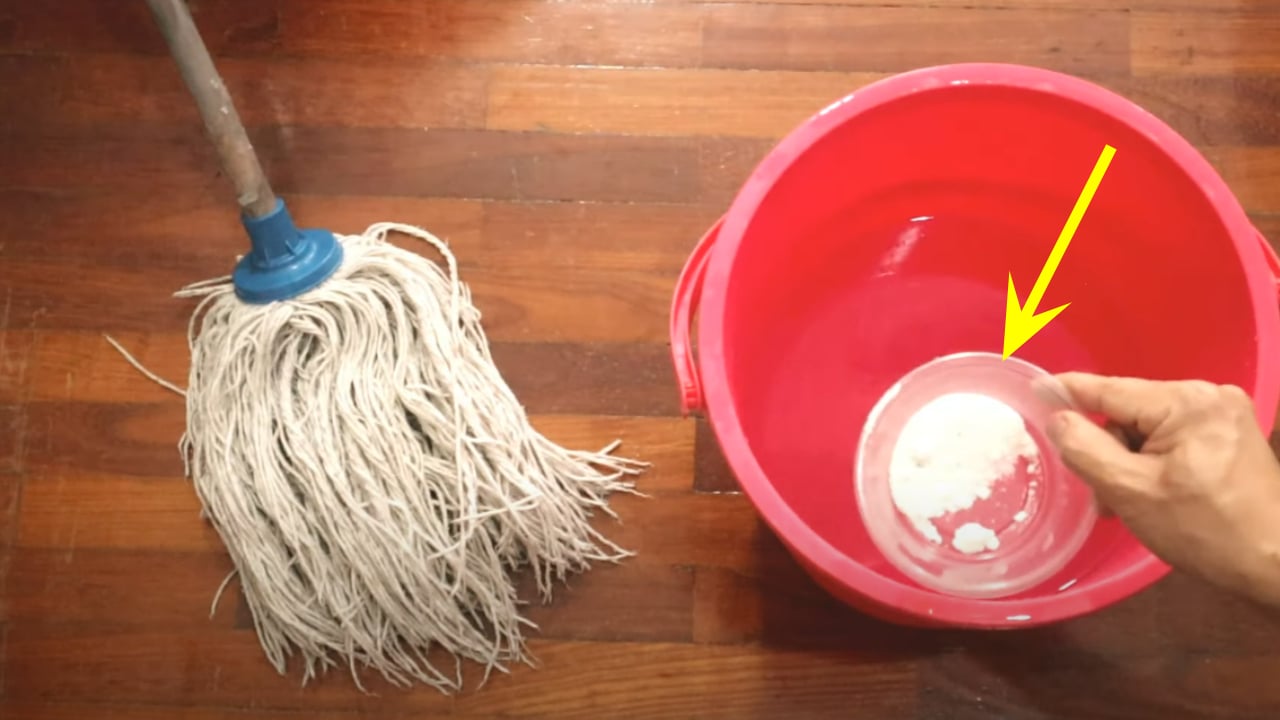
Final Thoughts
Adding a small amount of white vinegar to mop water is a popular cleaning method that many homeowners use to help remove residue, neutralize odors, and improve the appearance of compatible flooring surfaces. While it is not a miracle solution and cannot keep floors completely dust-free indefinitely, it may contribute to cleaner-looking floors when used correctly.
The most effective approach combines proper cleaning techniques, regular maintenance, and the right products for your specific flooring type. Sometimes a simple ingredient already sitting in your kitchen can become a helpful addition to your household cleaning routine.