🌿 THE “POWERFUL HERB” PEOPLE ARE TALKING ABOUT — BUT WHAT DOES SCIENCE REALLY SAY?
For centuries, herbs and other botanicals have been used in traditional medicine for digestive, urinary, and other health concerns. That has led to plenty of claims about certain herbs being able to “destroy parasites,” “cleanse the urinary tract,” or eliminate harmful organisms.
But there’s an important distinction between traditional use, laboratory findings, and proven treatment in humans.
🦠 Can an herb really destroy parasites?

Some herbs and plant compounds have demonstrated antiparasitic activity in laboratory or early-stage research. However, that does not automatically mean that eating or drinking the herb can eliminate a parasite infection in a person.
According to the CDC, common intestinal worm infections such as ascariasis, hookworm, and whipworm have established medical treatments, including medications such as albendazole, mebendazole, ivermectin, or pyrantel pamoate depending on the specific infection.
Different parasites require different treatments. For example, tapeworm infections may be treated with praziquantel or other specific medications.
So if a parasite infection is suspected, relying solely on an herbal remedy could delay appropriate treatment.
🚻 What about urinary tract health?
One botanical that has received considerable scientific attention is cranberry.
Research summarized by the National Center for Complementary and Integrative Health (NCCIH) suggests that cranberry products may reduce the risk of recurrent symptomatic urinary tract infections in some women who have previously experienced UTIs.
However, the evidence is not completely consistent.
Most importantly, cranberry is not considered a treatment for an existing UTI. If you already have symptoms such as burning during urination, frequent urination, pelvic discomfort, or blood in the urine, medical evaluation is important.
🌿 Why are herbs still worth learning about?
Herbs can contain biologically active compounds, and many have been studied for their potential effects on inflammation, microbes, digestion, and other processes.
But “natural” does not automatically mean “safe” or “effective.”
Herbal products can interact with medications, and their strength and composition can vary considerably between products. NCCIH specifically notes that herb-drug interactions are an important safety consideration.
⚠️ When should you see a doctor?

Don't try to treat a suspected infection with herbs alone if you have persistent or worsening symptoms.
Seek medical advice if you experience:
• Persistent abdominal pain
• Unexplained weight loss
• Blood in the stool or urine
• Persistent diarrhea
• Fever or chills
• Pain or burning when urinating
• Frequent urination accompanied by discomfort
• Severe weakness or dehydration
The key message is simple: herbs may have interesting health properties, but they should not replace evidence-based diagnosis and treatment when an infection is suspected.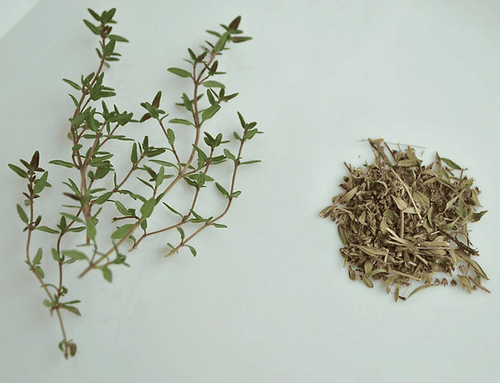
🌿 The most powerful approach isn't always the strongest herb — it's knowing what you're actually treating.
If you want to learn about a particular herb and what research says about its potential benefits and risks, check the evidence before using it.
Always talk with a qualified healthcare professional if you suspect a parasite infection or urinary tract infection.