

Never Go Straight to Bed After Entering a Hotel Room: Why Travelers Pour Hot Water Into the Toilet First
Frequent travelers reveal simple hotel habits that may improve hygiene.
Health 22/05/2026 01:24
Kidney disease is often called a “silent condition” because many people do not notice symptoms until significant damage has already occurred. The kidneys work quietly behind the scenes every day, filtering waste, balancing fluids, regulating blood pressure, and helping maintain overall body function. When kidney health begins to decline, the body may sometimes send subtle warning signs long before severe complications develop.
One possible warning sign that should not always be ignored is persistent or unexplained pain in certain areas of the body. Although body pain can have many causes, some types of ongoing discomfort may occasionally be linked to kidney problems, infections, stones, or reduced kidney function.
Understanding how kidney disease may affect the body can help people recognize symptoms earlier and seek medical attention when necessary.
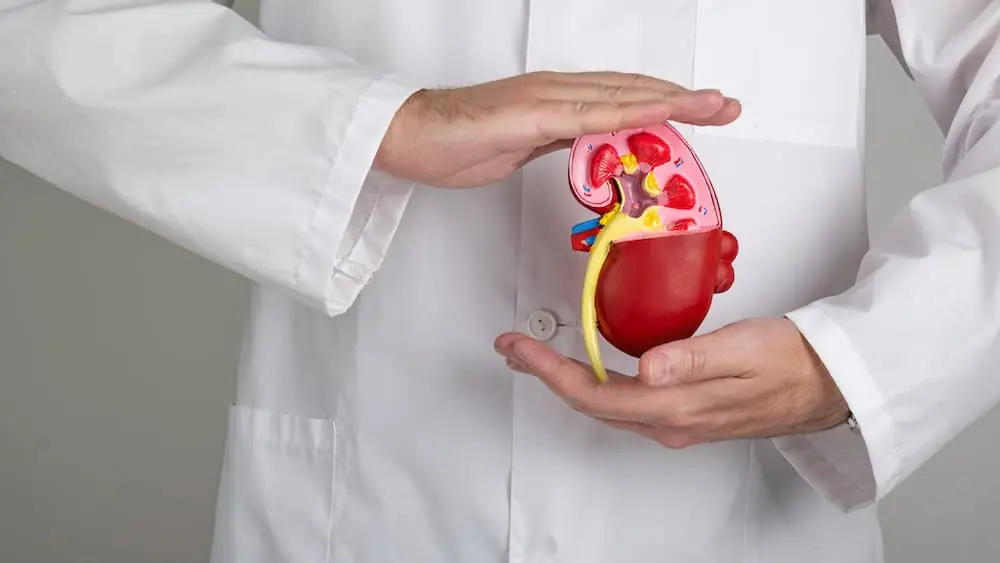
The kidneys are two bean-shaped organs located near the lower back on each side of the spine.
Their main functions include:
Healthy kidneys are essential for nearly every major body system.
When kidney function becomes impaired, waste products and fluids may begin accumulating in the body, leading to various symptoms and complications.

One of the most recognized signs associated with kidney problems is pain in the:
Kidney-related pain is often felt deeper than muscle pain and may occur on:
depending on the underlying condition.
Possible causes include:
The discomfort may range from:
Unlike ordinary muscle strain, kidney pain may not improve significantly with movement or stretching.
Some kidney conditions may also cause pain that spreads into:
Kidney stones in particular may trigger severe pain radiating downward as stones move through the urinary tract.
This pain can sometimes become extremely intense and may occur in waves.
Other symptoms may include:
Kidney stones sometimes cause pain that radiates from the back into:
This occurs because nerves in the urinary tract share pain pathways with nearby body regions.
Pain moving downward may sometimes indicate stone movement through the urinary system.

Although headaches are extremely common and usually unrelated to kidney disease, poorly functioning kidneys may contribute indirectly to:
Severe or uncontrolled hypertension associated with kidney disease may sometimes lead to:
This is one reason kidney disease and cardiovascular health are closely connected.
The kidneys help regulate:
When kidney function declines, imbalances in these minerals may contribute to:
These symptoms may become more noticeable in advanced kidney disease.
Pain alone is usually not enough to diagnose kidney disease.
Other warning signs may include:
Because symptoms often develop gradually, many people mistake them for normal aging or stress.

Kidney stones are hard mineral deposits that form inside the kidneys.
They may cause:
Small stones may pass naturally, while larger stones sometimes require medical treatment.
Dehydration is one common risk factor for kidney stone formation.
Kidney infections occur when bacteria spread into the kidneys from the urinary tract.
Symptoms may include:
Untreated kidney infections may lead to serious complications and require prompt medical care.
Chronic kidney disease (CKD) frequently progresses slowly over many years.
Common risk factors include:
Many people have no obvious symptoms in the early stages.
This is why regular medical checkups are extremely important for high-risk individuals.
Medical attention may be important if pain:
Doctors may recommend:
to identify the cause.
Experts commonly recommend:
Proper hydration is especially important for helping support normal kidney function.
Kidney disease becomes harder to manage once significant damage occurs.
Early diagnosis may help:
Listening carefully to persistent symptoms may help encourage earlier evaluation and treatment.
Persistent pain in specific areas of the body - especially the lower back, sides, abdomen, or groin may occasionally signal kidney problems, particularly when combined with symptoms such as changes in urination, swelling, fatigue, or fever.
Although most body pain has more common and less serious explanations, unexplained or ongoing discomfort should not be ignored indefinitely. The kidneys play essential roles in overall health, and early detection of kidney disease may significantly improve treatment outcomes and quality of life.
Paying attention to subtle warning signs and seeking medical care when symptoms persist can help protect kidney function and overall well-being over time.
Frequent travelers reveal simple hotel habits that may improve hygiene.
Shoulder Pain May Occasionally Signal Underlying Liver Disease in Early Stages

8 Alarming Bathroom Signs in the Morning That Require Medical Attention
7 Foods Claimed to Fight Intestinal Worms — What’s the Truth?
How to recognize kidney disease early and protect your health 😨

Seniors May Want to Avoid Sleeping This Way 🛌

Sweet potatoes can do wonders for your body 🍠 Here’s why
Doctors Reveal What Happens When You Eat Walnuts Every Day

Cloves and Vaseline Together: A Traditional Home Beauty Secret

Experts warn consumers to inspect seafood carefully before eating fish.

Chicken Eggs Offer Nutrition, but Certain People May Need Extra Caution

Amazing Benefits of Adding Mint to Your Daily Routine
Your Morning Routine Could Be Making High Bl00d Pressure and Cholesterol Worse

Sleeping With Your Cat Could Impact Your Health in Unexpected Ways

The Traditional Pine Cone Syrup Recipe People Use for Wellness Support
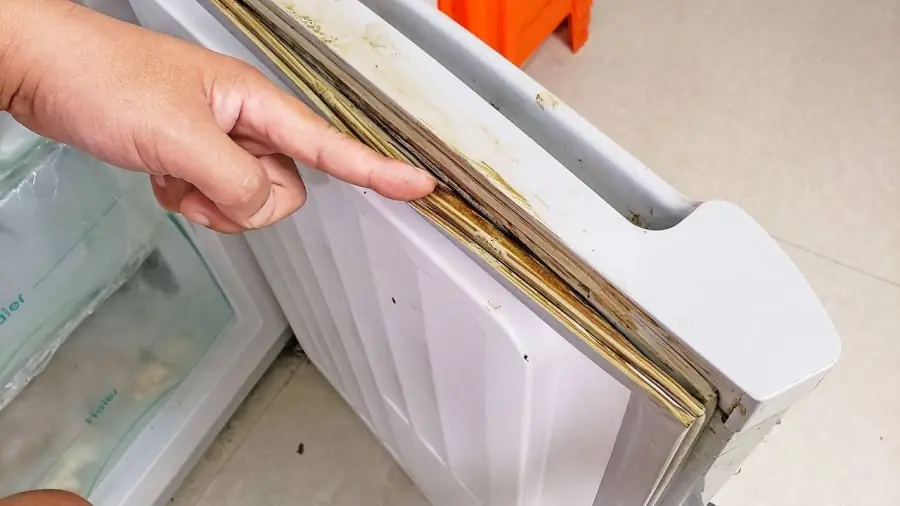
3 areas can easily become breeding grounds for bact.eria, bad odors, and dirt.

Eating garlic at night may support heart health and blood circulation.

Many people believe lemon water can “naturally cure” hypertension… doctors say it’s more complicated ⚠️

Why Nutrition Experts Love Eggs and Sweet Potatoes for Breakfast?
Frequent travelers reveal simple hotel habits that may improve hygiene.
Shoulder Pain May Occasionally Signal Underlying Liver Disease in Early Stages
8 Alarming Bathroom Signs in the Morning That Require Medical Attention
7 Foods Claimed to Fight Intestinal Worms — What’s the Truth?
How to recognize kidney disease early and protect your health 😨
Seniors May Want to Avoid Sleeping This Way 🛌
Sweet potatoes can do wonders for your body 🍠 Here’s why
Doctors Reveal What Happens When You Eat Walnuts Every Day
Cloves and Vaseline Together: A Traditional Home Beauty Secret
Experts warn consumers to inspect seafood carefully before eating fish.
Chicken Eggs Offer Nutrition, but Certain People May Need Extra Caution
Amazing Benefits of Adding Mint to Your Daily Routine
Your Morning Routine Could Be Making High Bl00d Pressure and Cholesterol Worse
Sleeping With Your Cat Could Impact Your Health in Unexpected Ways
The Traditional Pine Cone Syrup Recipe People Use for Wellness Support
3 areas can easily become breeding grounds for bact.eria, bad odors, and dirt.
Eating garlic at night may support heart health and blood circulation.

The Surprising Reason Travelers Slide a Water Bottle Under Hotel Beds
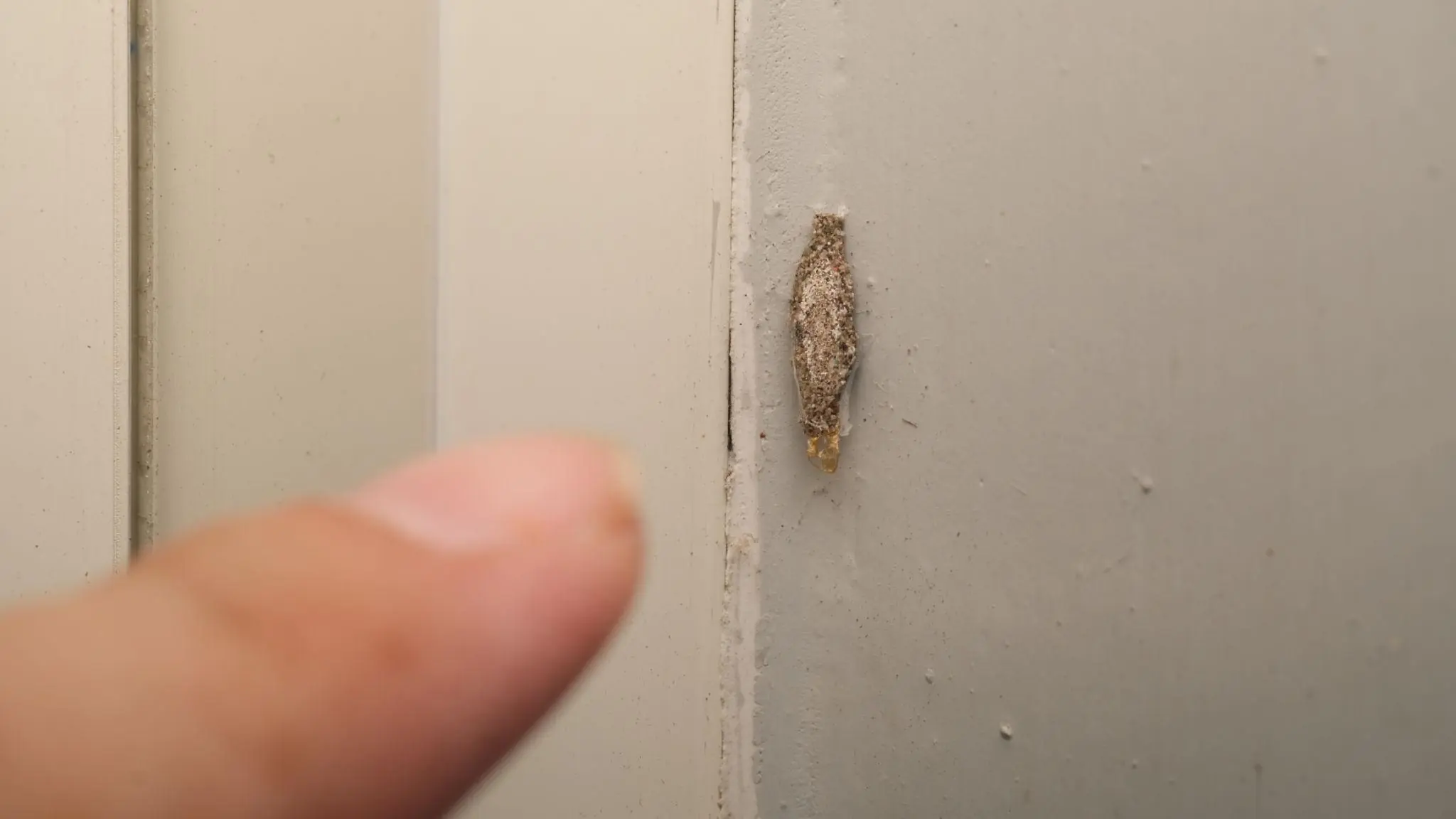
What Is This Strange Cocoon-Like Insect on Your Wall?