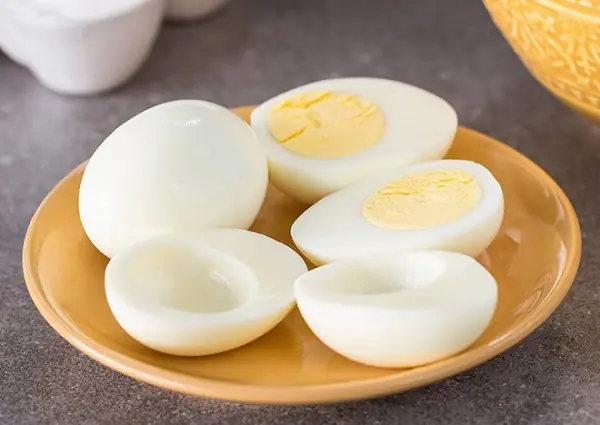
Why Chicken Eggs May Not Be Ideal for Everyone: 5 Groups to Watch Out For
Chicken Eggs Offer Nutrition, but Certain People May Need Extra Caution
Health 21/05/2026 23:17
For generations, people in various parts of Europe and Asia have used pine cone syrup as a traditional natural remedy believed to support respiratory health, soothe the throat, and provide comforting wellness benefits during colder seasons. Made by slowly infusing young pine cones with sugar or honey, this unique syrup has gained growing attention among natural wellness enthusiasts for both its earthy flavor and traditional medicinal reputation.
Although modern scientific research on pine cone syrup remains limited, pine trees contain aromatic compounds, antioxidants, and plant substances that have long been associated with respiratory comfort and herbal wellness practices.
Today, many people continue making homemade pine cone syrup not only as a traditional remedy but also as a flavorful natural ingredient for teas, desserts, and wellness drinks.
Pine cone syrup is a sweet herbal preparation traditionally made from:
The cones are typically soaked or slowly cooked to release their aromatic oils and natural compounds into the syrup.
Young pine cones are usually preferred because they are softer and contain higher amounts of resinous plant compounds.
The final syrup often has:

Pine trees have played important roles in traditional medicine for centuries.
Different parts of pine trees — including:
have historically been used in herbal remedies.
Traditional uses often focused on:
Pine contains natural compounds such as:
These compounds contribute to pine’s strong scent and traditional wellness associations.
One of the most common traditional uses of pine cone syrup involves throat comfort.
The syrup’s thick texture combined with its aromatic compounds may help:
Warm pine cone syrup mixed into tea is especially popular during colder months.
Honey-based versions may offer additional soothing effects.
Traditional herbal practices often use pine-based preparations to support respiratory wellness.
The aromatic oils in pine may create sensations of:
Some people consume pine cone syrup during:
However, experts emphasize that pine syrup is not a treatment for serious respiratory illness.

Pine cones and pine needles contain plant compounds with antioxidant activity.
Antioxidants help protect cells against oxidative stress caused by free radicals.
Oxidative stress has been linked to:
While pine cone syrup is not a miracle health solution, antioxidant-rich foods and herbal preparations may contribute to overall wellness as part of a balanced lifestyle.
Many people enjoy pine cone syrup simply because of its:
Mixed into warm drinks, the syrup may create relaxing wellness rituals during colder seasons.
Comforting beverages themselves may help promote:
Beyond wellness traditions, pine cone syrup is also used as a culinary ingredient.
People sometimes add it to:
Its unique forest-like flavor gives it a distinct taste different from regular honey or maple syrup.
Recipes vary by region and family tradition.
A simple traditional preparation may include:
Some methods involve:

Not all pine species are considered safe for consumption.
Some pine varieties may contain compounds that could be harmful, especially in large amounts.
For this reason:
People should avoid consuming unknown pine species.
Pine cone syrup often contains large amounts of:
Excessive intake may contribute to:
Moderation remains important even with natural products.
Individuals sensitive to:
may experience allergic reactions.
Possible symptoms may include:
Anyone trying pine-based products for the first time should start cautiously.
Online wellness trends sometimes exaggerate the effects of traditional remedies.
Experts emphasize that pine cone syrup cannot:
Persistent symptoms such as:
should always receive proper medical evaluation.
Many people enjoy traditional remedies because they:
Even when scientific evidence is limited, rituals centered around warmth, tea, and herbal preparations may contribute positively to emotional well-being and relaxation.
Long-term wellness still depends primarily on:
Natural remedies work best as supportive additions rather than replacements for evidence-based healthcare.
Pine cone syrup remains a fascinating example of traditional herbal wellness practices that continue attracting attention today. With its earthy flavor, aromatic qualities, and long history of use during cold seasons, this unique syrup is valued both as a comforting natural remedy and a flavorful homemade ingredient.
Although scientific research on pine cone syrup is still limited, its antioxidant-rich plant compounds and soothing qualities may offer supportive wellness benefits when consumed responsibly and in moderation.
As with all natural remedies, realistic expectations, safe preparation, and proper medical guidance remain essential for healthy and balanced use.
Chicken Eggs Offer Nutrition, but Certain People May Need Extra Caution
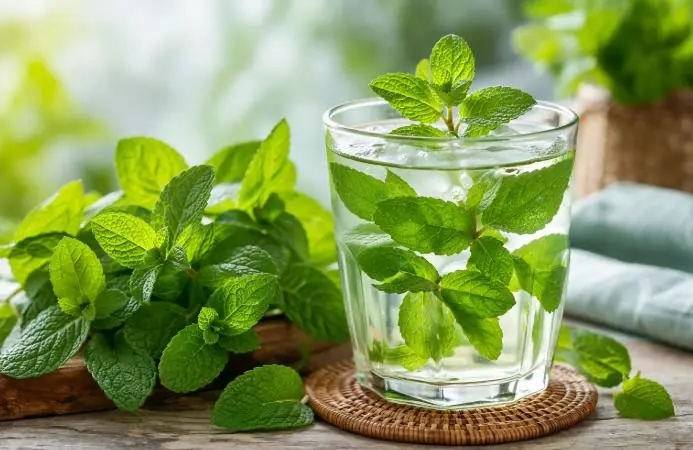
Amazing Benefits of Adding Mint to Your Daily Routine

Your Morning Routine Could Be Making High Bl00d Pressure and Cholesterol Worse

Sleeping With Your Cat Could Impact Your Health in Unexpected Ways

3 areas can easily become breeding grounds for bact.eria, bad odors, and dirt.
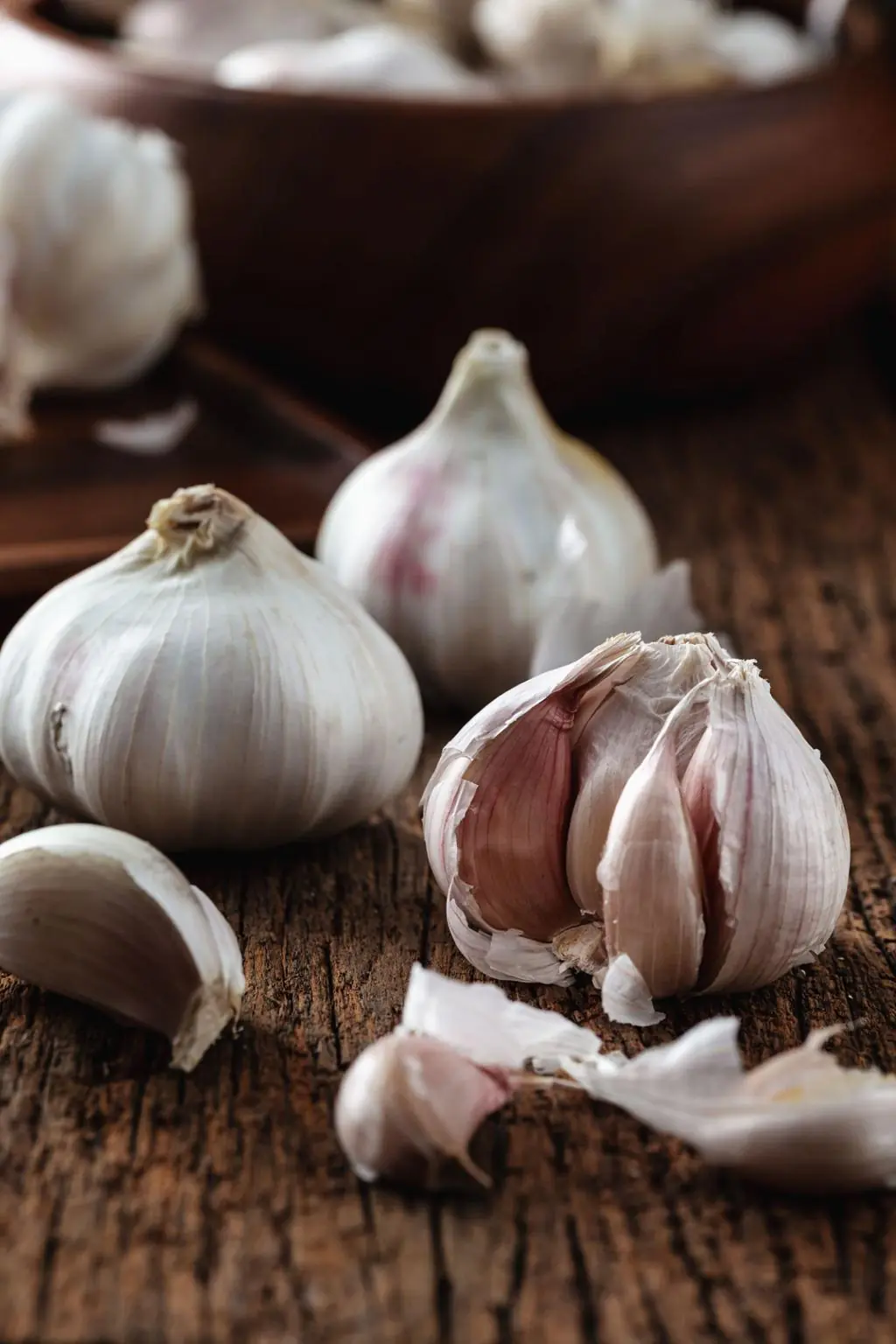
Eating garlic at night may support heart health and blood circulation.

Many people believe lemon water can “naturally cure” hypertension… doctors say it’s more complicated ⚠️
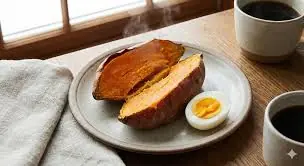
Why Nutrition Experts Love Eggs and Sweet Potatoes for Breakfast?

7 Common Night Signs Your Bl00d Sugar May Be Too High

Sudden Changes in Visible Veins Could Be Worth Paying Attention To

Young Boy’s Can.cer Diagnosis Raises Concerns About Popular Sugary Drinks
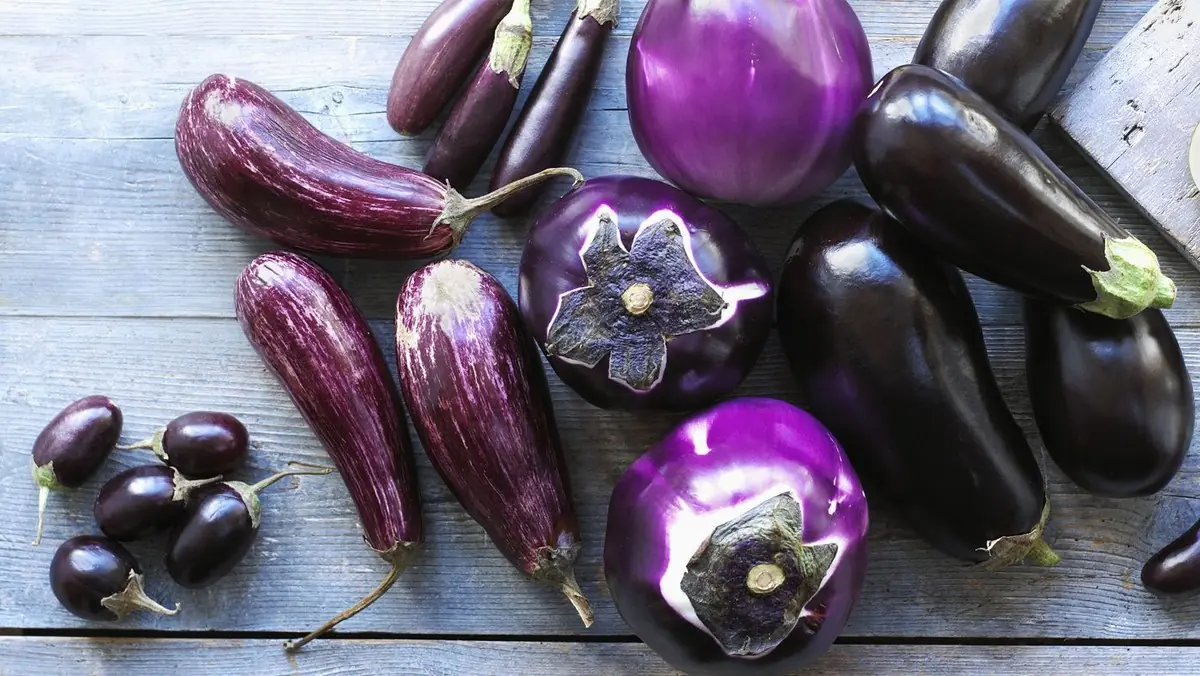
7 Types of People Who May Want to Avoid Eating Too Much Eggplant
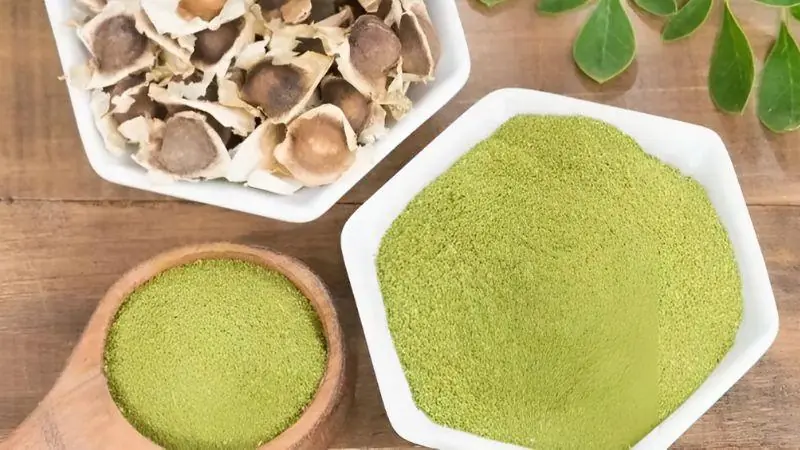
Moringa Seeds May Offer More Health Benefits Than Most People Realize

Your body could be sending early warning signs through pain in these 3 areas 👀👇
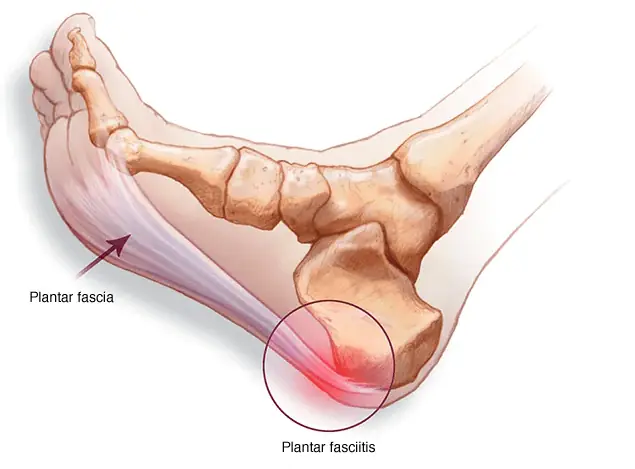
If your heel hurts without standing too long, this could be the reason

She thought it was normal neck pain… until something horrifying started sticking out 😳
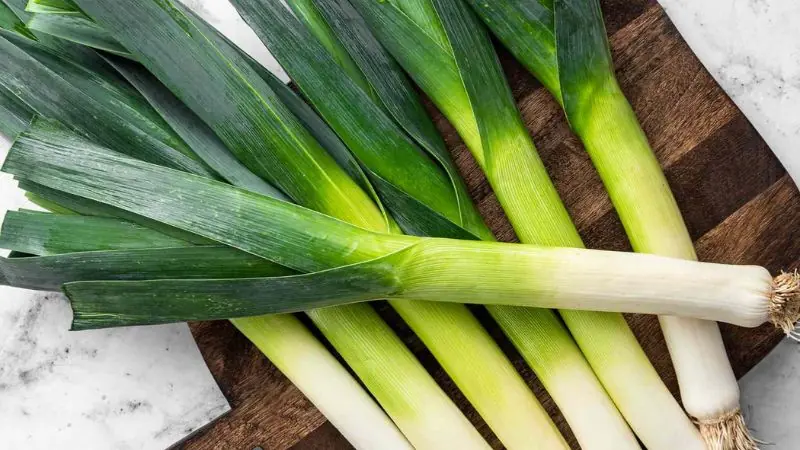
Discover the Vegetable That May Help Support Liver Function, Kidney Health, and Mental Clarity

7+ Early and Silent Symptoms of Fatty Liver Disease

For years people feared eggs… now experts say they may actually be one of the healthiest breakfasts.
Amazing Benefits of Adding Mint to Your Daily Routine
Your Morning Routine Could Be Making High Bl00d Pressure and Cholesterol Worse
Sleeping With Your Cat Could Impact Your Health in Unexpected Ways
3 areas can easily become breeding grounds for bact.eria, bad odors, and dirt.
Eating garlic at night may support heart health and blood circulation.

The Surprising Reason Travelers Slide a Water Bottle Under Hotel Beds

What Is This Strange Cocoon-Like Insect on Your Wall?
Many people believe lemon water can “naturally cure” hypertension… doctors say it’s more complicated ⚠️
Why Nutrition Experts Love Eggs and Sweet Potatoes for Breakfast?
7 Common Night Signs Your Bl00d Sugar May Be Too High

Manufacturers say the most energy-saving AC setting may NOT be the Eco button 😳

Pick a Sapphire Ring and Uncover the Trait That Defines You Most
Sudden Changes in Visible Veins Could Be Worth Paying Attention To
Young Boy’s Can.cer Diagnosis Raises Concerns About Popular Sugary Drinks
7 Types of People Who May Want to Avoid Eating Too Much Eggplant

The Hidden Evolutionary Story Behind Your Tendons

What It Could Mean When Your Partner Avoids Kissing During Close Moments?

Put Your IQ to the Test with This Tricky Flower Math Challenge
Moringa Seeds May Offer More Health Benefits Than Most People Realize