The Forgotten Onion & Bay Leaf Remedy: Why This Traditional Syrup Is Making a Comeback
When a cough or scratchy throat appears, many people immediately reach for cough drops, tea, or over-the-counter remedies. But long before modern cough syrups filled pharmacy shelves, families around the world relied on simple ingredients already available in their kitchens.
One old-fashioned combination is onion and bay leaf syrup.
It may sound unusual, but onions have a long history of use in traditional home remedies, while bay leaves have commonly been brewed into aromatic teas and infusions. Combined with honey, they create a sweet, strongly flavored homemade mixture that some people use to coat a dry throat and provide temporary comfort during a mild cough.
But can onion and bay leaves actually “clean the lungs” or cure a respiratory infection?
Not quite.
This homemade preparation should be viewed as a comforting traditional remedy rather than a medical treatment. It cannot replace antibiotics when they are medically necessary, asthma treatment, or professional care for pneumonia or other serious respiratory illnesses.
Still curious? Here’s how this traditional mixture is made, why each ingredient is used, and what you should know before trying it.
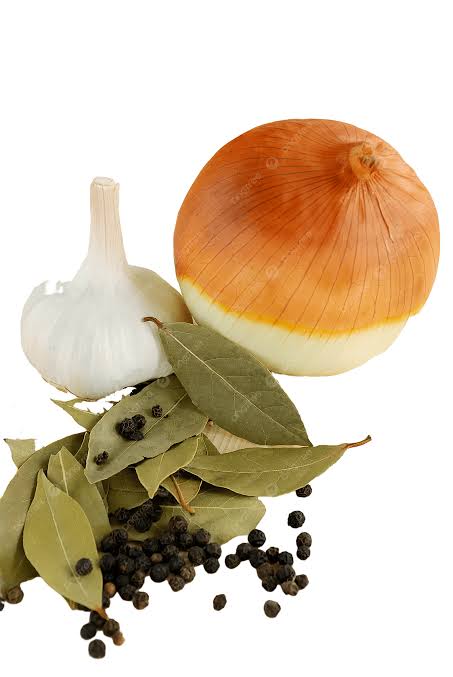
Why Onion?
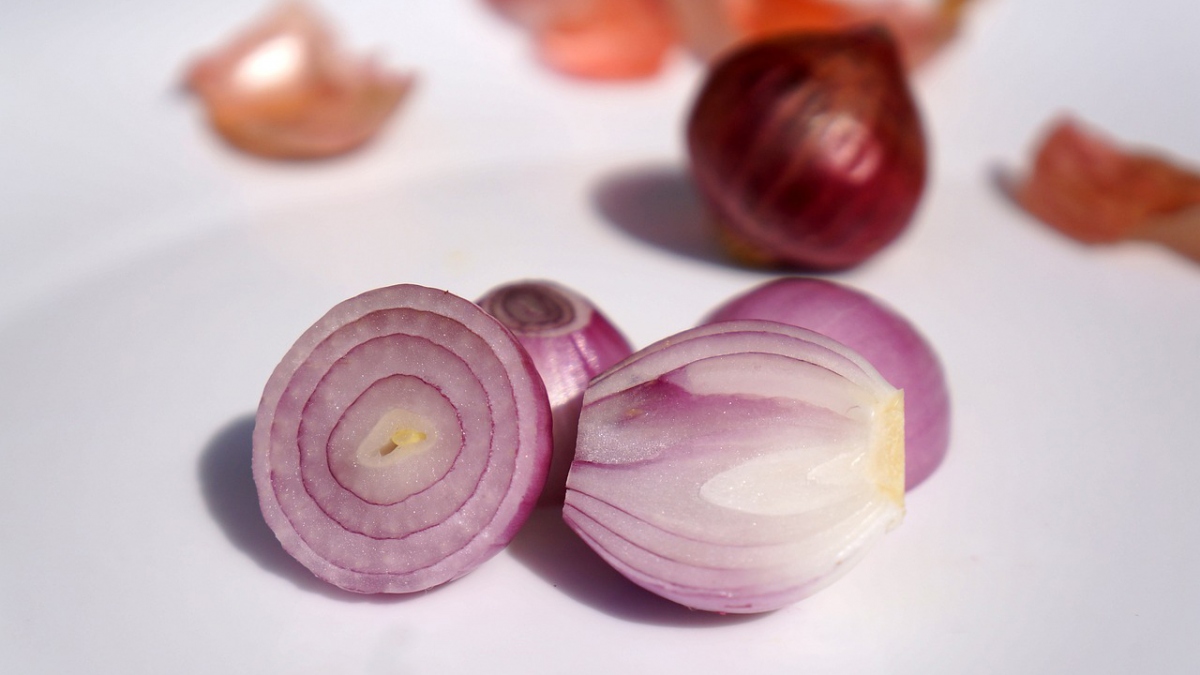
The humble onion (Allium cepa) is much more than a flavoring ingredient.
Onions contain vitamin C and numerous plant compounds, including sulfur-containing compounds and flavonoids such as quercetin.
These compounds have been widely studied for their antioxidant and biological properties.
This doesn't mean eating an onion will immediately stop a cough. However, onions are nutritious foods that can contribute beneficial plant compounds to an overall balanced diet.
Traditional medicine has also used onion preparations for respiratory complaints for generations.
One practical reason onion works well in homemade syrup is much simpler: when chopped onion is mixed with sugar or honey, moisture is gradually drawn from the onion, creating a thin, sweet liquid.
That's the basis of traditional onion syrup.
Why Add Bay Leaves?
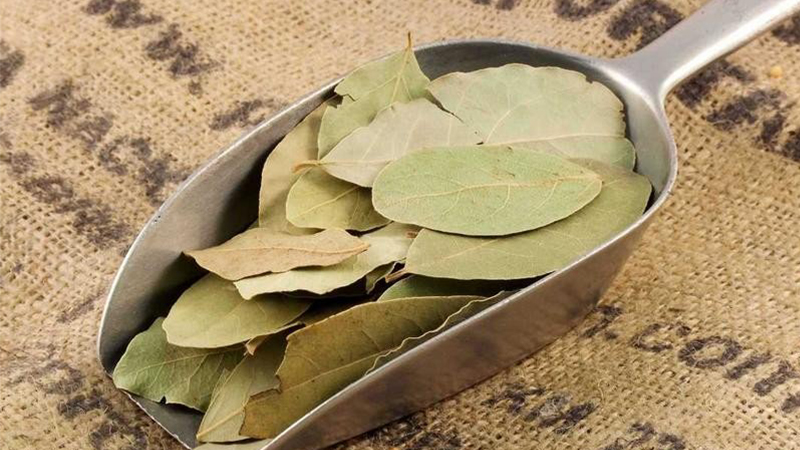
Bay leaves (Laurus nobilis) are best known for their culinary role.
Drop one into a soup or stew, and it slowly releases a distinctive herbal aroma.
Bay leaves contain aromatic plant compounds and essential oils, which explain their characteristic smell and flavor.
Traditionally, bay leaf tea has been consumed as a warming herbal drink.
However, evidence that bay leaves directly treat coughs or respiratory infections in humans is limited.
Think of bay leaves primarily as an aromatic traditional ingredient, rather than a medication.
And there's one important rule:
Don't eat whole bay leaves.
Even after cooking, bay leaves remain relatively stiff and can be difficult to chew or swallow. They should be removed from the mixture before consumption.
The Ingredient That May Matter Most: Honey
If you're making this remedy for a cough, honey is arguably the most interesting ingredient.
Unlike many exaggerated claims surrounding herbal remedies, honey actually has some clinical evidence supporting its use for symptomatic relief of acute cough, particularly in children over one year old.
Its thick texture can coat the throat, while its sweetness may influence mechanisms involved in cough sensation.
Honey won't cure pneumonia, eliminate a virus, or “detox” your lungs.
But for a mild cough associated with an ordinary respiratory infection, it may provide temporary relief.
Important: Never give honey to a baby under 12 months old.
Honey can contain spores of Clostridium botulinum, which can cause infant botulism.
A Simple Onion and Bay Leaf Syrup Recipe
You don't need complicated ingredients.
Ingredients
Preparation
Peel the onion and cut it into several pieces.
Place the onion and bay leaves into a small saucepan.
Add the water.
Bring the mixture to a gentle boil, then reduce the heat and allow it to simmer for approximately 10–15 minutes.
Remove the saucepan from the heat.
Allow the liquid to cool until it is comfortably warm rather than boiling hot.
Strain the mixture carefully, removing all onion pieces and bay leaves.
Once it has cooled, stir in the honey.
You can add a small amount of lemon juice if you enjoy the flavor.
The result is a sweet, aromatic liquid that can be consumed in small amounts as a soothing drink or homemade syrup.
Why Add Honey After Cooling?
There's no need to boil honey together with the other ingredients.
Adding it after the mixture has cooled makes the preparation easier to drink and preserves the flavor and characteristics of the honey.
More importantly, extremely hot liquids can burn the mouth and throat.
When your throat is already irritated, the last thing you need is additional thermal injury.
Warm is enough.
How Much Should You Take?
There isn't a medically established dose for homemade onion and bay leaf syrup because it isn't a standardized medication.
For adults, a small spoonful or a small serving of the warm liquid occasionally may be sufficient if the goal is simply to soothe the throat.
You can also drink the strained mixture more like an herbal tea.
There's no reason to consume large quantities.
More does not necessarily mean better.
Remember that honey contains sugar, so people who need to carefully manage carbohydrate or sugar intake should take that into consideration.
What Could This Mixture Actually Do for a Cough?
It's important to separate realistic benefits from viral claims.
The mixture may provide temporary symptomatic comfort.
Warm liquid can help keep the throat moist.
Honey may coat irritated throat tissues and potentially reduce the sensation that triggers coughing.
The aroma and warmth of the drink may also feel comforting when you're congested.
And staying adequately hydrated can help prevent mucus from becoming excessively thick.
These are reasonable benefits.
But they're very different from claiming the syrup “cleans your lungs.”
Can Onion and Bay Leaves Remove Mucus From the Lungs?
This claim needs some context.
Your respiratory tract naturally produces mucus.
When you develop a respiratory infection or irritation, mucus production may increase.
The body then uses mechanisms such as coughing and tiny hair-like structures called cilia to move mucus and unwanted particles through the airways.
No homemade syrup can literally enter the lungs and wash mucus away.
Warm fluids and adequate hydration may help secretions remain easier to manage, while honey may reduce throat irritation.
But if you're producing large amounts of mucus for an extended period—particularly if accompanied by breathing problems—you need to identify the underlying cause rather than simply trying to suppress the symptom.
Does This Remedy “Detox” the Lungs?
You may see social media posts describing onion mixtures as a way to “detox your lungs overnight.”
That's misleading.
Your lungs don't accumulate generic “toxins” that can simply be flushed out by drinking a particular herbal syrup.
The respiratory system has its own sophisticated defense mechanisms.
If you want to protect your lungs, some of the most meaningful steps are far less exotic:
Don't smoke.
Avoid secondhand smoke whenever possible.
Reduce unnecessary exposure to air pollution, dust, and chemical fumes.
Stay physically active according to your health and ability.
Follow recommended vaccination and medical guidance.
And seek treatment for respiratory conditions such as asthma or COPD when appropriate.
A spoonful of onion syrup cannot compensate for cigarette smoke or untreated lung disease.
What About Garlic, Ginger, or Lemon?
Many homemade versions add additional ingredients.
Ginger
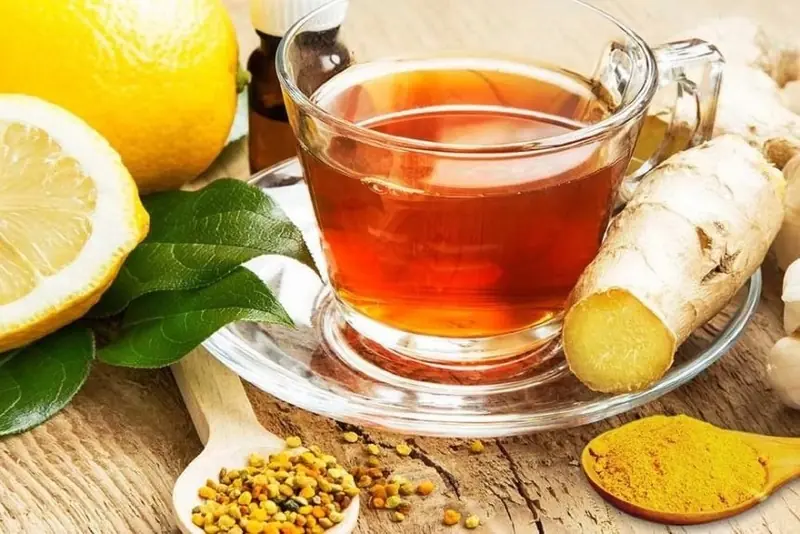
Fresh ginger adds warmth and flavor and contains numerous bioactive plant compounds.
Some people find ginger tea soothing when experiencing a cold or sore throat.
Lemon
Lemon provides vitamin C and acidity that can make the syrup more pleasant.
However, acidic drinks may aggravate acid reflux in some individuals.
Garlic
Garlic contains sulfur-containing compounds and is a nutritious addition to meals.
But adding garlic to a syrup doesn't transform it into an antibiotic.
If you have a bacterial infection requiring antibiotics, garlic isn't an equivalent substitute.
Your Cough May Not Be Coming From Your Lungs
Another important point: not every cough originates from a lung infection.
Coughing can have numerous causes.
A common cold or influenza can cause coughing, but so can allergies, postnasal drip, asthma, acid reflux, COVID-19, certain medications, smoke exposure, and other environmental irritants.
Some people with gastroesophageal reflux disease (GERD), for example, develop a persistent dry cough without realizing their stomach acid is contributing to the problem.
In that situation, repeatedly drinking acidic homemade remedies containing lots of lemon might actually make symptoms worse.
The underlying cause matters.
When a Cough Shouldn't Be Treated Only at Home
Most uncomplicated coughs associated with common viral respiratory infections eventually improve.
But some symptoms deserve medical attention.
Seek prompt professional evaluation if coughing is accompanied by:
• Difficulty breathing or shortness of breath
• Chest pain
• Coughing up blood
• Blue or gray lips or skin
• Confusion or unusual drowsiness
• Severe weakness or dehydration
• High or persistent fever
• Symptoms that improve and then suddenly become significantly worse
A cough that persists for several weeks should also be evaluated, particularly if there isn't an obvious explanation.
Be Careful With Children
Parents should be particularly cautious with homemade cough remedies.
Again, honey must never be given to children younger than 12 months because of the risk of infant botulism.
Young children can also deteriorate more quickly when they have respiratory illnesses.
If a child is struggling to breathe, breathing unusually rapidly, becoming extremely sleepy, refusing fluids, or showing other concerning symptoms, seek medical care rather than relying on home remedies.
For children with persistent coughs, it's best to discuss appropriate treatment with a pediatric healthcare professional.
People With Diabetes Should Consider the Honey Content
Honey may be natural, but it still contains sugars.
That means people with diabetes or those who need to carefully control blood glucose should account for the carbohydrate content.
You don't necessarily need a large amount of honey to make a soothing warm drink.
If you have diabetes and aren't sure whether honey fits into your dietary plan, ask your healthcare provider or registered dietitian.
“Natural sugar” can still raise blood glucose.
How Should You Store Homemade Syrup?
Unlike commercial cough medicines, homemade onion syrup contains no standardized preservative system.
That means you shouldn't leave it sitting at room temperature for days.
Prepare small quantities.
Keep leftovers in a clean, covered container in the refrigerator and use them promptly.
If the mixture develops an unusual smell, appearance, bubbling, mold, or other signs of spoilage, discard it.
Making another batch is inexpensive.
There's no reason to risk consuming spoiled homemade food products.
A Traditional Remedy, Not a Miracle Cure
Perhaps the biggest mistake surrounding natural remedies is assuming that “traditional” automatically means “scientifically proven”—or that “natural” means harmless.
Traditional knowledge can point toward useful practices, and some traditional remedies eventually gain scientific support.
Others don't.
In the case of onion and bay leaf syrup, honey has the clearest evidence for helping soothe an acute cough, while warm fluids can provide comfort and hydration.
Onions and bay leaves contribute flavor, aroma, nutrients, and a connection to traditional home-remedy practices.
That's enough.
We don't need to turn them into miracle medicines.
The Bottom Line
If you have a mild cough or irritated throat, a warm homemade drink made with onion, bay leaves, and honey may be a comforting option.
The warmth can soothe the throat, adequate fluid intake supports hydration, and honey may provide temporary cough relief.
Onions also contain useful nutrients and plant compounds, while bay leaves provide their distinctive aromatic qualities.
But remember what this mixture cannot do.
It cannot cure pneumonia.
It cannot replace prescribed asthma medication.
It cannot eliminate a serious bacterial infection.
And it does not literally “clean” or “detox” your lungs.
Use it for what it is: a simple traditional home remedy that may make an ordinary cough or irritated throat a little more comfortable.
Sometimes that's exactly what a home remedy should do.
And if your cough is severe, persistent, accompanied by breathing difficulty, chest pain, coughing up blood, or other concerning symptoms, skip the kitchen experiment and get appropriate medical care.
Your lungs deserve more than a viral remedy when something serious is going on.