What Happens to Your Body When You Eat Too Many Onions? 😲
Onions are one of the most widely used vegetables in the world. Whether eaten raw, cooked, grilled, or added to soups and salads, onions provide flavor and important nutrients that may benefit overall health.
Doctors and nutrition experts say onions contain antioxidants, fiber, vitamins, and plant compounds that may support the heart, digestion, and immune system. However, eating excessive amounts of onions may also lead to unpleasant side effects in some people.
Here’s what experts say can happen to your body when you eat a lot of onions.
1. Your Digestion May Improve
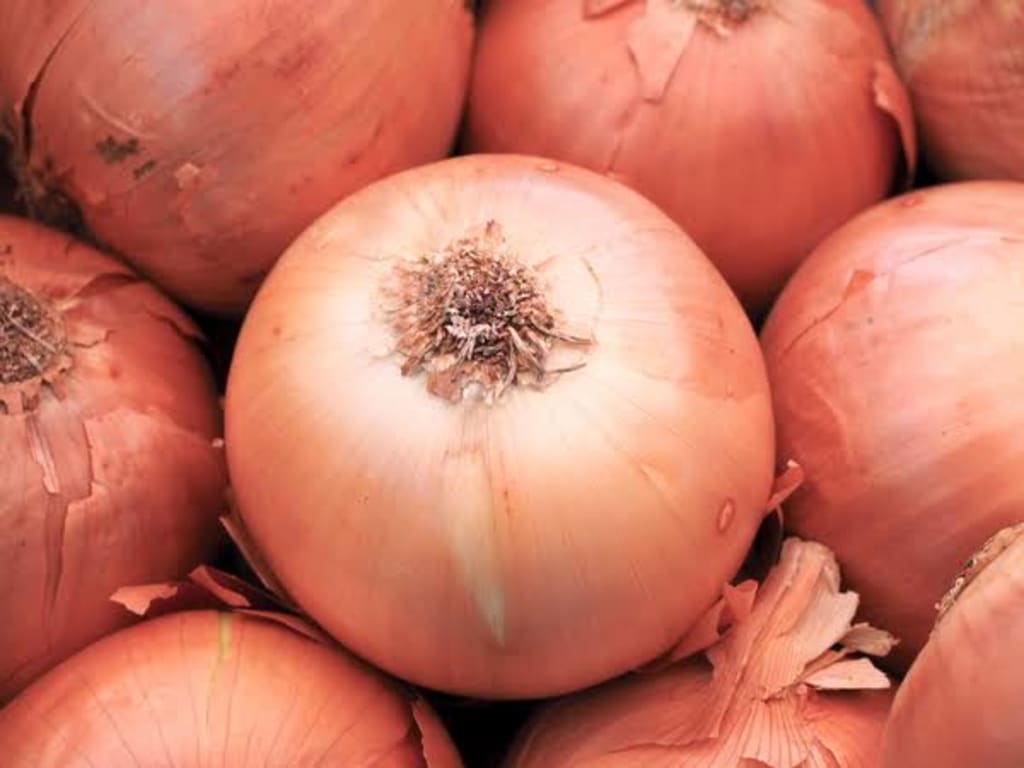
Onions are rich in fiber and prebiotics, especially compounds called fructans.
These compounds help feed beneficial gut bacteria and may support:
- Better digestion
- Improved gut health
- Regular bowel movements
Some studies suggest onions may help increase healthy bacteria in the digestive system.
2. You May Experience Bloating and Gas
Although onions can support digestion, they may also cause digestive discomfort in some people.
Doctors explain that onions contain FODMAPs, a type of carbohydrate that many individuals — especially people with irritable bowel syndrome (IBS) — may have trouble digesting.
Eating large amounts of onions may lead to:
- Bloating
- Gas
- Stomach cramps
- Diarrhea
Sensitive individuals may notice symptoms even after small amounts.
3. Your Heart May Benefit
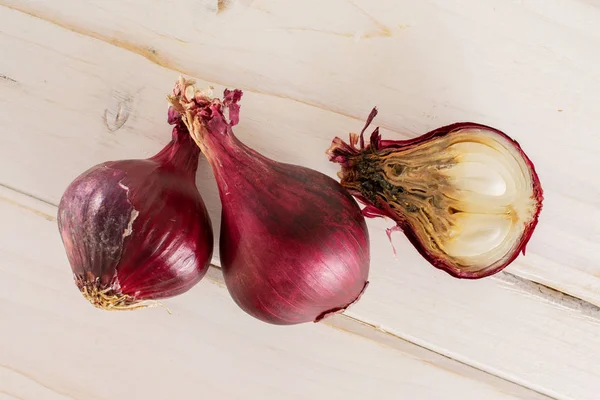
Onions contain antioxidants such as quercetin, a plant compound linked to anti-inflammatory and heart-supporting effects.
Research suggests onions may help support:
- Healthy blood pressure
- Cholesterol balance
- Blood vessel health
Some experts believe regular onion consumption may contribute to better cardiovascular health over time.
4. Your Breath and Body Odor May Change
One of the most noticeable effects of eating a lot of onions is strong breath odor.
Sulfur-containing compounds in onions can remain in the bloodstream after digestion and may affect:
- Breath
- Sweat
- Body odor
Raw onions usually produce stronger effects than cooked onions.
5. Your Blood Sugar May Be Affected

Some studies suggest onions may help support blood sugar regulation.
Researchers believe certain compounds in onions may improve insulin sensitivity and help reduce blood sugar levels.
However, people taking diabetes medication should still follow medical guidance and avoid assuming onions alone can control blood sugar.
6. You May Get Heartburn or Acid Reflux
For some people, especially those prone to acid reflux, onions may worsen symptoms.
Raw onions are particularly known to trigger:
- Heartburn
- Acid reflux
- Stomach irritation
This happens because onions may relax the lower esophageal sphincter, allowing stomach acid to move upward.
People with GERD or sensitive stomachs may need to limit intake.
7. Your Body Gets More Antioxidants
Onions are rich in antioxidants that help protect cells from oxidative stress.
Red onions especially contain anthocyanins and flavonoids linked to:
- Reduced inflammation
- Cellular protection
- General wellness support
Antioxidants may help protect the body from damage caused by free radicals.
8. Allergic Reactions Are Possible
Although uncommon, some individuals may have onion allergies or sensitivities.
Possible symptoms include:
- Skin irritation
- Swelling
- Digestive discomfort
- Breathing problems in severe cases
Anyone experiencing serious allergic symptoms should seek medical attention immediately.
9. Onions May Support Bone Health
Some research suggests onions may help support bone density, especially in older adults.
Scientists believe antioxidants and sulfur compounds in onions may play a role in reducing bone loss.
More research is still needed, but onions may contribute to a bone-friendly diet when eaten in moderation.
10. Eating Too Much of Anything Can Cause Imbalance
Doctors emphasize that even healthy foods should be consumed in balance.
Relying too heavily on one food may reduce dietary variety and potentially lead to:
- Digestive issues
- Excess calorie intake
- Nutritional imbalance
The healthiest diet usually includes a wide range of fruits, vegetables, proteins, and whole foods.
Are Raw or Cooked Onions Better?
Raw onions often contain higher amounts of certain beneficial plant compounds.
However, cooking onions may:
- Improve digestibility
- Reduce harshness
- Lower stomach irritation for some people
Both forms can be part of a healthy diet depending on individual tolerance.
Who Should Be Careful With Onions?
Doctors say extra caution may be needed for people with:
- IBS
- Acid reflux
- Sensitive digestion
- Certain food allergies
Listening to your body is important.
Final Thoughts
Onions are highly nutritious vegetables packed with antioxidants, fiber, and plant compounds that may support heart health, digestion, and overall wellness.
However, eating too many onions may also cause bloating, acid reflux, digestive discomfort, and strong body odor in some people.
As with most foods, moderation is key. Enjoying onions as part of a balanced diet may help you gain their benefits while avoiding unwanted side effects.
Sources
- Healthline – Onions 101: Nutrition Facts and Health Effects
- Healthline – Onion Health Benefits
- WebMD – Onions: Health Benefits and Nutrition
- Cleveland Clinic – Health Benefits of Onions
- Healthline – Downsides and Side Effects of Onions