When most people enjoy an orange, the peel often ends up in the trash without a second thought. However, orange peels have been used for centuries in traditional culinary and wellness practices around the world. When combined with ginger, another ingredient with a long history of use, they create a flavorful and aromatic blend that many people enjoy as a tea, infusion, or homemade beverage.
While neither orange peels nor ginger should be viewed as miracle ingredients, both contain naturally occurring compounds that may contribute to overall wellness when included as part of a balanced diet. Their unique combination offers a refreshing flavor profile along with a variety of nutrients and plant-based compounds.
Let's explore what makes orange peels and ginger such an interesting pairing and why this simple combination continues to attract attention.

Why Orange Peels Deserve More Attention
Most people focus on the juicy fruit inside an orange and overlook the peel.
However, Orange Peels Contain
-
Vitamin C
-
Fiber
-
Flavonoids
-
Essential oils
-
Various antioxidants
Many of these compounds are concentrated in the outer layers of the fruit.
The Role of Antioxidants
Orange peels contain plant compounds known as antioxidants.
Antioxidants Help Protect Cells From
-
Oxidative stress
-
Environmental factors
-
Free radicals
A diet rich in antioxidant-containing foods is generally associated with better overall health.
Getting to Know Ginger
Ginger has been used in cooking and traditional wellness practices for thousands of years.
Ginger Contains
-
Gingerol
-
Shogaol
-
Antioxidants
-
Various bioactive compounds
Its warm, spicy flavor makes it a popular ingredient in beverages and meals around the world.
Potential Benefit #1: Supports Hydration
One of the simplest benefits of orange peel and ginger tea is hydration.
Staying Properly Hydrated Helps Support
-
Circulation
-
Digestion
-
Energy levels
-
Temperature regulation
Many people find herbal beverages an enjoyable way to increase daily fluid intake.
Potential Benefit #2: Rich in Plant Compounds
Both orange peels and ginger contain naturally occurring phytochemicals.
Examples Include
-
Flavonoids
-
Polyphenols
-
Essential oils
-
Gingerol compounds
Researchers continue to study how these compounds interact with the body.
Potential Benefit #3: May Support Digestive Comfort
Ginger is perhaps best known for its traditional association with digestive wellness.
Many People Use Ginger To
-
Ease occasional stomach discomfort
-
Promote digestive comfort
-
Add warmth to beverages
Orange peel has also been used traditionally in various cultures as part of digestive herbal preparations.
Potential Benefit #4: Provides a Naturally Flavorful Alternative to Sugary Drinks
Many commercially available beverages contain substantial amounts of added sugar.
Orange Peel and Ginger Tea Offers
-
Natural flavor
-
Pleasant aroma
-
Minimal calories when consumed without sweeteners
This may help individuals reduce their intake of sugar-sweetened beverages.
Potential Benefit #5: Aromatic Essential Oils
Orange peels contain fragrant essential oils.
One of the Most Well-Known Is
Limonene.
This compound contributes to the characteristic citrus aroma that many people find refreshing.
Why Aroma Matters
Pleasant aromas can enhance the overall experience of drinking herbal beverages.
Potential Benefit #6: May Support a Relaxing Daily Routine
Sometimes the greatest benefit of a warm beverage is the ritual itself.

Enjoying a Cup of Tea May Encourage
-
Relaxation
-
Mindfulness
-
Stress reduction
-
Healthy daily habits
Small wellness rituals can contribute positively to overall well-being.
Potential Benefit #7: Source of Vitamin C
Although some vitamin C may be lost during preparation, oranges remain a recognized source of this important nutrient.
Vitamin C Supports
-
Immune function
-
Collagen production
-
Antioxidant activity
Vitamin C plays an important role in many physiological processes.
Potential Benefit #8: A Warming Beverage for Cooler Weather
The natural warmth of ginger makes this drink especially popular during colder months.
Many People Enjoy It Because It Feels
-
Comforting
-
Soothing
-
Refreshing
-
Aromatic
Its distinctive flavor profile appeals to a wide variety of tastes.
How to Make Orange Peel and Ginger Tea
Ingredients
You will need:
-
Peel from one orange
-
1-inch piece of fresh ginger
-
2 cups of water
Optional:
-
Honey
-
Lemon juice
-
Cinnamon
Instructions
Step 1
Wash the orange thoroughly before removing the peel.
Step 2
Slice the ginger into thin pieces.
Step 3
Bring water to a gentle boil.
Step 4
Add the orange peel and ginger.
Step 5
Simmer for 10–15 minutes.
Step 6
Strain and serve warm.
The beverage may also be enjoyed chilled.
Choosing Quality Ingredients
The quality of ingredients matters.
When Selecting Oranges
Look for:
-
Firm texture
-
Fresh aroma
-
Bright color
Whenever Possible
Use oranges that have been thoroughly washed to reduce residue on the peel.
Selecting Ginger
Choose ginger roots that are:
-
Firm
-
Smooth
-
Fragrant
Fresh ginger generally provides the strongest flavor.
Can Orange Peels Be Eaten?
Yes, orange peels are edible.
However
They are often bitter when consumed raw.
Many people prefer using them in:
-
Teas
-
Infusions
-
Baked goods
-
Marmalades
These preparations help balance the flavor.
Common Myths About Orange Peel and Ginger
Myth 1: They Can Cure Diseases
No food or beverage should be considered a cure for disease.
Myth 2: More Is Always Better
Moderation remains important.
Myth 3: Natural Means Risk-Free
Even natural ingredients may not be suitable for everyone.
Myth 4: One Drink Can Transform Health Overnight
Long-term health depends on overall lifestyle patterns.
Who Should Be Cautious?
Although generally safe for most people, some individuals may wish to consult a healthcare professional before consuming large amounts of herbal preparations.
This May Include People With
-
Certain digestive conditions
-
Food allergies
-
Medication concerns
-
Specific dietary restrictions
Personalized advice is always best.
Other Creative Ways to Use Orange Peels and Ginger
Beyond tea, these ingredients can be incorporated into:
Recipes Such As
-
Smoothies
-
Infused water
-
Homemade syrups
-
Baked goods
-
Fruit salads
Their versatility makes them valuable additions to many kitchens.
The Bigger Picture
While orange peels and ginger contain interesting nutrients and plant compounds, no single food determines health outcomes.
Overall Wellness Depends On
-
Balanced nutrition
-
Physical activity
-
Quality sleep
-
Stress management
-
Regular healthcare
Healthy habits work together to support long-term well-being.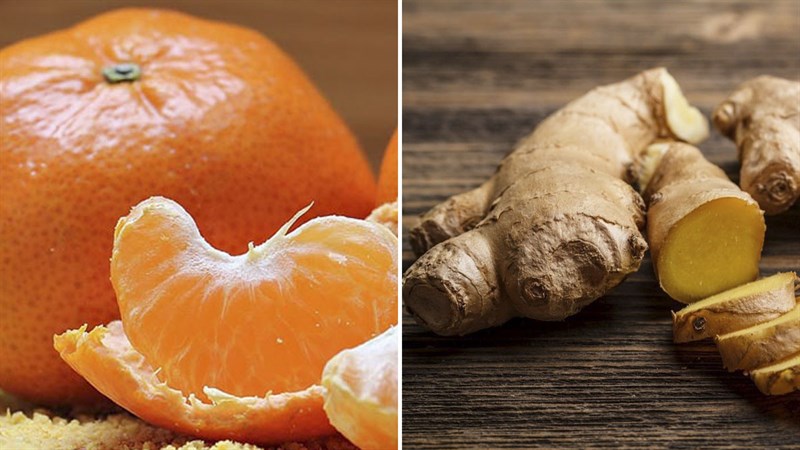
Final Thoughts
Orange peels and ginger create a simple yet flavorful combination that has been appreciated in traditional wellness practices for generations. Together, they provide antioxidants, aromatic compounds, and natural flavors that can transform an often-discarded ingredient into a refreshing homemade beverage.
Whether enjoyed as a warm tea on a cool evening or a refreshing infusion during warmer months, orange peel and ginger tea offers an enjoyable way to explore natural ingredients while supporting a balanced and health-conscious lifestyle. While it is not a miracle remedy, it can certainly be a pleasant and potentially beneficial addition to a daily wellness routine.