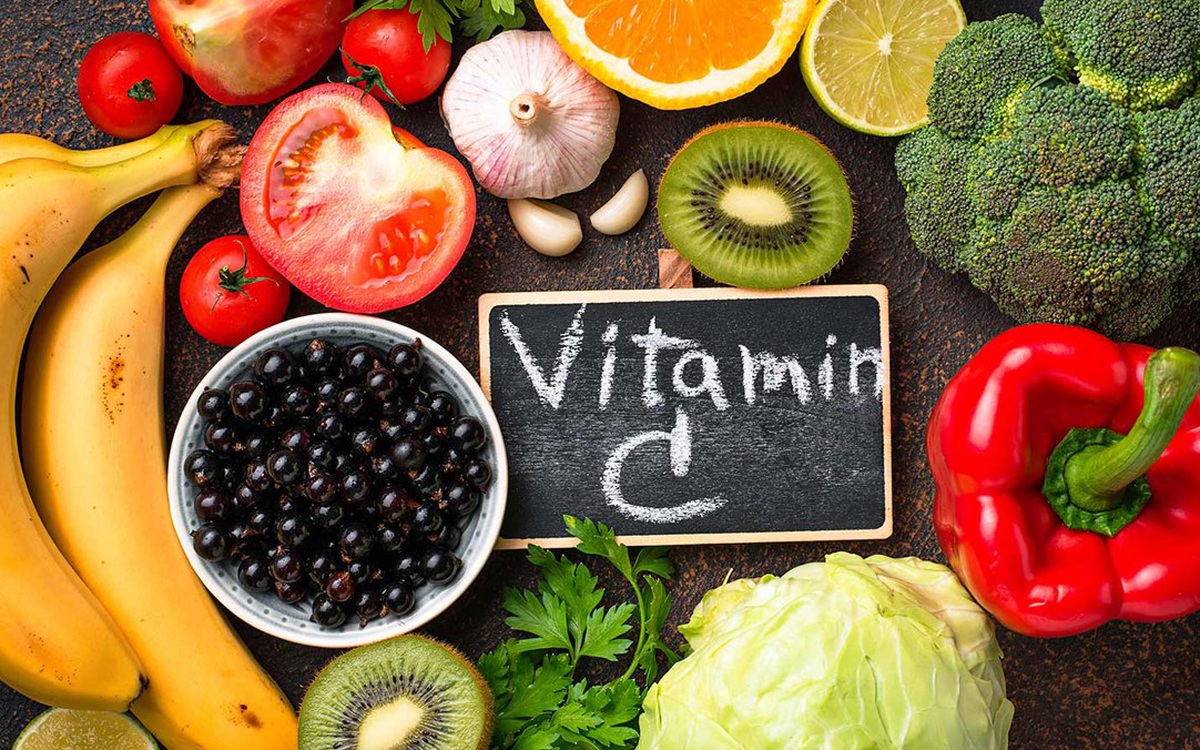
One practical tip: vitamin C can be reduced by prolonged storage and cooking, so including some fresh fruits and vegetables can help maintain intake.
4. Vitamin K: Important for Bones and Normal Blood Clotting
Vitamin K is sometimes overlooked compared with vitamins D, C, and B12.
But it plays an important role in blood clotting and bone metabolism.
Vitamin K helps activate certain proteins involved in normal blood coagulation.
It also participates in the regulation of proteins associated with bone tissue.
This makes vitamin K particularly relevant when discussing healthy aging.
Vitamin K and Bone Health
Strong bones depend on more than calcium.
Bone health involves a network of nutrients, hormones, physical activity, and other factors.
Vitamin K contributes to the activation of proteins involved in bone metabolism.
That's why leafy green vegetables—which are among the richest sources of vitamin K—are often part of healthy dietary patterns.
However, this doesn't mean taking a high-dose vitamin K supplement will automatically prevent fractures.
The bigger picture still includes:
-
Adequate calcium
-
Adequate vitamin D
-
Protein
-
Strength training
-
Weight-bearing activity
-
Fall prevention
-
Healthy body weight
-
Avoiding smoking
-
Limiting excessive alcohol
A Very Important Warning About Vitamin K
If you take warfarin, a commonly prescribed anticoagulant, vitamin K deserves special attention.
Vitamin K can affect how warfarin works.
This does not mean people taking warfarin should avoid vegetables.
Instead, consistency in vitamin K intake is generally important, and major dietary changes should be discussed with the healthcare professional managing the medication.
Do not start or stop vitamin K supplements without medical advice if you're taking an anticoagulant.
This is a good example of why "natural" doesn't automatically mean "risk-free."
Why These Four Vitamins Matter Together
One reason these vitamins are worth discussing together is that they support different aspects of healthy aging.
Vitamin D
Bones + muscles + immune function
Vitamin B12
Brain and nervous system + red blood cells
Vitamin C
Immune function + collagen + connective tissue
Vitamin K
Bone metabolism + normal blood clotting
But your body doesn't work in isolated categories.
Bones don't depend on vitamin D alone.
Brain health doesn't depend on B12 alone.
Immune health isn't determined by vitamin C alone.
Healthy aging requires a combination of nutrition, movement, sleep, medical care, and lifestyle.
What Happens If You Don't Get Enough?
Nutritional deficiencies don't always announce themselves immediately.
A mild deficiency may produce vague symptoms such as:
-
Fatigue
-
Weakness
-
Poor concentration
-
Reduced exercise tolerance
-
Changes in mood
-
Muscle discomfort
Those symptoms can have many causes.
That's why it isn't a good idea to diagnose a vitamin deficiency based on symptoms alone.
Blood tests may be appropriate depending on your health history.
For example, someone with fatigue and numbness might need evaluation for B12 deficiency, anemia, thyroid problems, medication effects, sleep disorders, or other conditions.
The right approach is to identify the cause rather than guessing.
Should Everyone Over 50 Take These Four Vitamins?
No.
Age alone doesn't mean you automatically need four supplements.
Some people can get most or all of these nutrients from food.
Others may have a higher risk of deficiency because of:
-
Limited diets
-
Certain digestive conditions
-
Long-term medication use
-
Reduced appetite
-
Malabsorption
-
Previous gastrointestinal surgery
-
Limited exposure to sunlight
-
Kidney or liver problems
-
Certain chronic illnesses
The appropriate approach depends on the individual.
A person who eats a varied diet and has normal nutrient levels may not benefit from taking multiple high-dose supplements.