A sudden ache in your lower back can immediately make you wonder: “Is something wrong with my kidneys?”
It’s an understandable concern. Your kidneys sit toward the back of your upper abdomen, and certain kidney or urinary tract problems can cause significant pain. But there’s an important catch: most everyday back pain is not kidney pain, and chronic kidney disease often causes no pain at all in its early stages.
Kidney-related pain is more likely with certain conditions, such as kidney stones, kidney infections, urinary obstruction, cysts, or injury. The location and character of the pain—and the symptoms that accompany it—can provide useful clues.
So where might kidney-related pain appear, and when should you seek medical attention?
Here are 5 areas and pain patterns worth understanding.
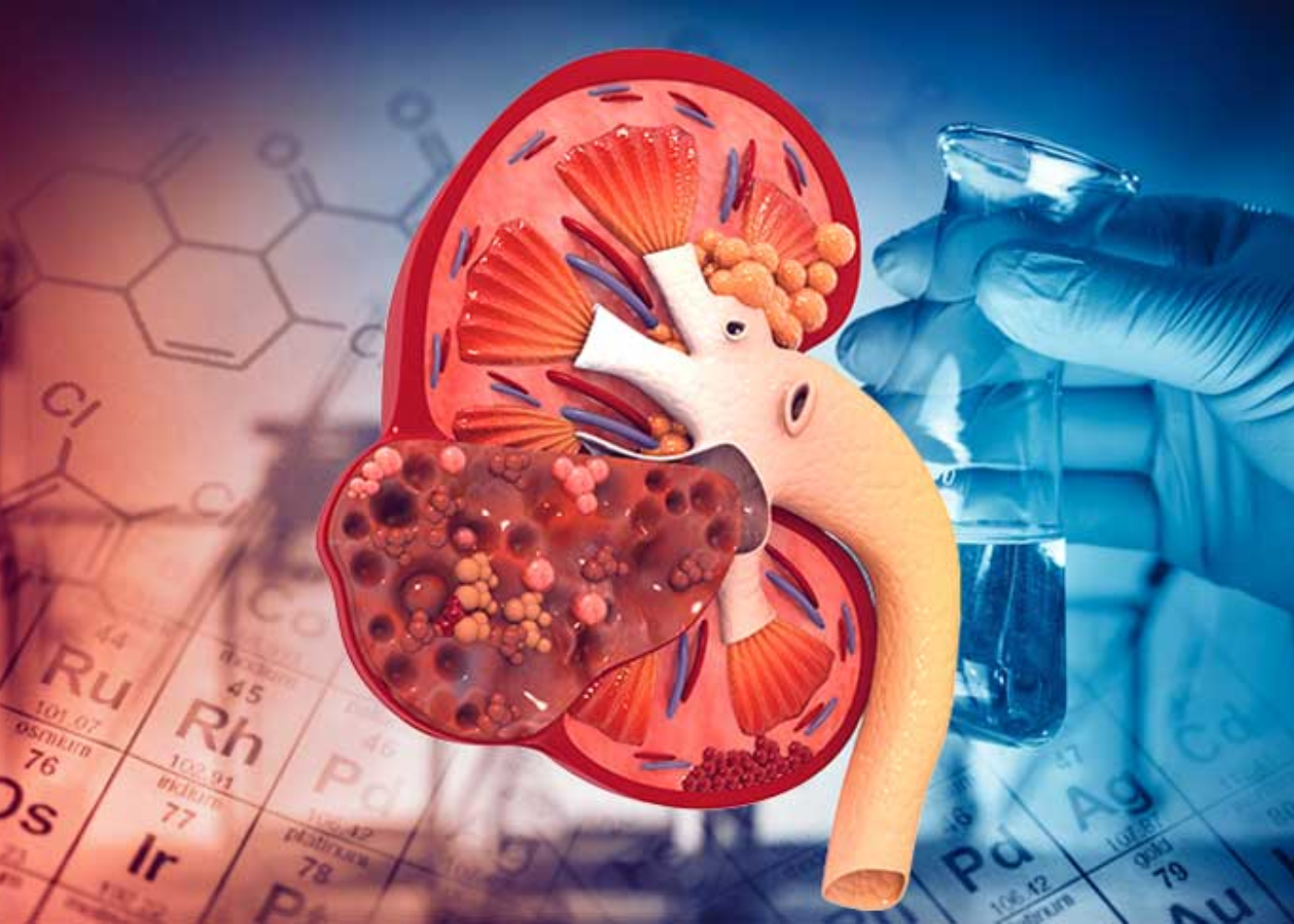
First: Where Are Your Kidneys Located?
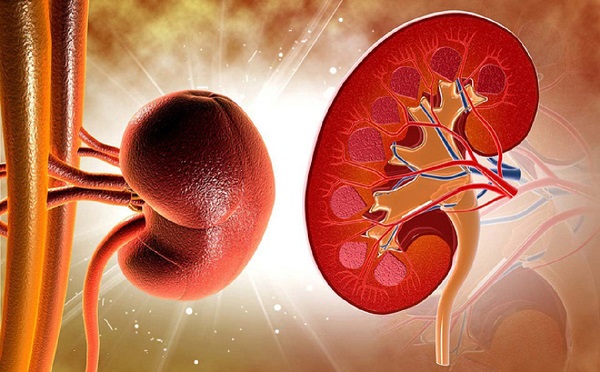
You have two kidneys, one on each side of your spine.
They sit relatively high in the back of the abdomen, underneath the lower ribs. The right kidney is generally positioned slightly lower than the left because of the liver.
Your kidneys perform several critical functions, including:
-
Filtering waste products from the blood
-
Regulating fluid balance
-
Helping control electrolytes
-
Supporting blood pressure regulation
-
Producing hormones involved in red blood cell production
-
Helping maintain bone and mineral health
Because the kidneys are located deep inside the body, kidney pain can sometimes be mistaken for muscular back pain.
But the two often behave differently.
1. Pain in the Flank or Side
The flank is the area between your lower ribs and hips, toward the side and back of your torso.
This is one of the most typical locations for kidney-related pain.
Depending on the cause, you may experience pain on:
-
The right side
-
The left side
-
Occasionally both sides
Kidney pain often feels deeper than ordinary muscle soreness.
Some people describe it as:
-
Dull
-
Aching
-
Sharp
-
Intense
-
Persistent
The exact sensation depends heavily on the underlying condition.
Kidney Stones Can Cause Severe Flank Pain
Kidney stones form when certain substances in urine crystallize and develop into hard deposits.
Some stones remain in the kidney without causing symptoms.
Problems often begin when a stone moves into the ureter, the narrow tube connecting the kidney to the bladder.
A stone can partially or completely obstruct urine flow.
This may cause extremely intense pain known as renal colic.
What Does Kidney Stone Pain Feel Like?
Kidney stone pain is often:
Severe
Sudden
One-sided
Wave-like
The pain may intensify, improve slightly, and then become severe again as the ureter contracts around the stone.
People with renal colic often find it difficult to remain still.
They may pace, change positions repeatedly, or feel unable to find a comfortable position.
Other Kidney Stone Symptoms
Pain may be accompanied by:
-
Nausea
-
Vomiting
-
Blood in the urine
-
Frequent urination
-
Urgency
-
Painful urination
Some people may notice urine that appears pink, red, or brown.
However, blood may sometimes be microscopic and detectable only through testing.
When a Kidney Stone Becomes More Urgent
A stone is particularly concerning when urinary obstruction occurs together with infection.
Seek urgent medical attention if severe flank pain occurs with:
-
Fever
-
Chills
-
Significant weakness
-
Persistent vomiting
-
Difficulty urinating
-
Feeling severely unwell
An infected obstructed urinary system can become a medical emergency.
It may require antibiotics and urgent drainage rather than simply waiting for the stone to pass.
2. Pain Below or Around the Lower Ribs
Kidney pain can sometimes be felt toward the back, just beneath the lower ribs.
This is another area people frequently confuse with ordinary back pain.
The difference isn't always obvious.
However, kidney pain is often deeper and may not change dramatically when you:
-
Twist
-
Bend
-
Stretch
-
Change posture
Musculoskeletal pain, by contrast, often changes with movement or pressure.
But this distinction isn't perfect.
You can't diagnose the cause based on location alone.
Kidney Infection Can Cause Pain Here
A kidney infection—known medically as pyelonephritis—can cause pain around the flank or beneath the ribs.
Most kidney infections occur when bacteria travel upward from the lower urinary tract.
A bladder infection may begin with symptoms such as:
-
Burning during urination
-
Urinary urgency
-
Frequent urination
If infection reaches the kidney, systemic symptoms may develop.
Warning Signs of a Kidney Infection
Possible symptoms include:
-
Flank or back pain
-
Fever
-
Chills
-
Nausea
-
Vomiting
-
Painful urination
-
Frequent urination
-
Urinary urgency
-
Feeling generally very unwell
A kidney infection isn't something to treat solely with cranberry juice, herbal tea, or increased water intake.
It usually requires medical assessment and appropriate antibiotics.
Why Kidney Infections Shouldn't Be Ignored
An untreated kidney infection can sometimes spread into the bloodstream.
This can lead to sepsis, a dangerous systemic response to infection.
Risk may be particularly concerning in people who:
-
Are pregnant
-
Have diabetes
-
Have urinary obstruction
-
Have kidney stones
-
Have weakened immune systems
-
Have structural urinary abnormalities
Fever plus significant flank pain deserves prompt evaluation.
3. Pain That Travels Toward the Lower Abdomen
Kidney-related pain doesn't always stay near the kidney.
This is particularly true with kidney stones.
As a stone moves through the ureter, the location of pain may change.
It may begin around the flank and gradually move toward the:
-
Side
-
Lower abdomen
-
Pelvis
This movement reflects the path of the stone through the urinary tract.
Why Does the Pain Move?
The ureter is a muscular tube.
When a stone becomes lodged inside it, the ureter may contract forcefully while attempting to move urine and the stone downward.
The nervous system can interpret these signals as pain in different areas along the urinary tract.
That's why someone with a stone may say:
“The pain started in my back, but now it's lower down.”
That changing location can be an important clue.
But Lower Abdominal Pain Has Many Causes
Kidney and urinary problems are only one possibility.
Lower abdominal pain may also arise from:
-
Gastrointestinal conditions
-
Constipation
-
Appendicitis
-
Bladder problems
-
Reproductive-organ conditions
-
Hernias
-
Musculoskeletal problems
Location alone doesn't identify the cause.
The accompanying symptoms matter.
4. Pain That Radiates Toward the Groin
One of the classic patterns associated with a ureteral stone is pain that radiates from the flank toward the groin.
As a stone travels lower through the ureter, pain can sometimes be felt around:
-
The lower abdomen
-
Groin
-
Genital region
This can be extremely uncomfortable.
Some people also develop a strong sensation that they need to urinate even when very little urine comes out.
Blood in the Urine Is an Important Clue
Kidney stones can irritate the lining of the urinary tract.
This can produce blood in the urine.
Urine may appear:
-
Pink
-
Red
-
Tea-colored
-
Brownish
However, visible blood in the urine should never automatically be assumed to be a kidney stone.
There are many possible causes.
What Else Can Cause Blood in Urine?
Potential causes include:
-
Urinary tract infections
-
Kidney stones
-
Prostate conditions
-
Kidney disease
-
Certain medications
-
Urinary tract injuries
-
Bladder or kidney tumors
Sometimes strenuous exercise can also cause temporary blood in the urine.
Regardless, unexplained visible blood in urine deserves medical evaluation, even if there is no pain.
5. Pain or Pressure in the Lower Pelvic or Bladder Area
This one is a little different.
Pain directly over the bladder isn't typically kidney pain.
However, problems in the lower urinary tract can sometimes be connected to kidney complications if infection or obstruction travels upward.
A bladder infection—also called cystitis—may cause:
-
Lower abdominal pressure
-
Pelvic discomfort
-
Burning during urination
-
Frequent urination
-
Strong urinary urgency
If the infection spreads upward, kidney symptoms may appear.
The Pattern That Should Get Your Attention
Imagine someone begins with:
Burning when urinating
then develops:
Fever
followed by:
Flank pain and chills.
That progression raises concern that a lower urinary infection may have reached the kidney.
Medical evaluation is appropriate.
Kidney Pain vs. Back Pain: How Can You Tell?
This is probably the biggest source of confusion.
Back pain is incredibly common.
Muscle strains, poor posture, prolonged sitting, lifting injuries, spinal conditions, and irritated nerves can all cause discomfort near the area where people imagine their kidneys are located.
Fortunately, there are some clues.
Muscular Back Pain Often Changes With Movement
Musculoskeletal pain may become worse when you:
-
Bend forward
-
Twist
-
Lift something
-
Stand up
-
Change position
-
Press on the affected muscles
It may also improve with:
-
Rest
-
Gentle stretching
-
Heat
-
Position changes
Kidney pain is often less directly related to movement.
But again, this isn't a perfect diagnostic test.
Kidney Pain Is Often Higher Than People Expect
When people say:
“My kidneys hurt,”
they often point to the very bottom of their lower back.
Your kidneys are actually located higher—toward the back of the upper abdomen beneath the ribs.
Pain centered directly over the lower spine is often more likely to be musculoskeletal than renal.
Sciatica Usually Isn't Kidney Pain
Sciatica typically results from irritation or compression involving nerves that contribute to the sciatic nerve.
Pain may travel from the lower back or buttock down the:
-
Thigh
-
Calf
-
Foot
It may feel:
-
Burning
-
Electric
-
Shooting
-
Tingling
Kidney pain generally doesn't travel all the way down the leg in this pattern.
Do “Weak Kidneys” Always Cause Pain?
No.
This is extremely important.
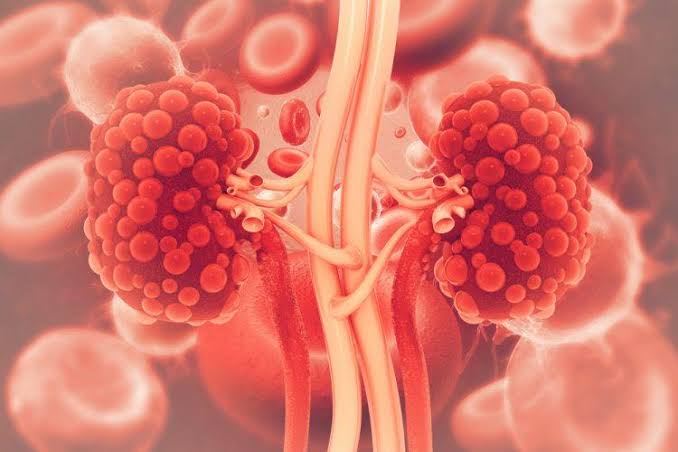
Chronic kidney disease (CKD) often causes no pain at all, especially in earlier stages.
Someone can lose a significant amount of kidney function without feeling kidney pain.
That's why relying on pain to determine whether your kidneys are healthy is unreliable.
What Is Chronic Kidney Disease?
Chronic kidney disease occurs when the kidneys become damaged or lose function over a prolonged period.
Major causes include:
-
Diabetes
-
High blood pressure
-
Certain inherited conditions
-
Glomerular diseases
-
Repeated kidney injury
-
Other medical conditions
In the early stages, a person may feel completely normal.
How Is Kidney Disease Actually Detected?
Doctors generally rely on blood and urine tests, not pain.
Important tests can include:
Serum Creatinine
Creatinine is a waste product used to estimate kidney filtration.
Estimated Glomerular Filtration Rate (eGFR)
This provides an estimate of how effectively the kidneys are filtering blood.
Urine Albumin Testing
Protein—particularly albumin—in urine can be an early marker of kidney damage.
Blood pressure measurement is also important.
Who Should Pay Extra Attention to Kidney Screening?
People at higher risk include those with:
-
Diabetes
-
High blood pressure
-
Cardiovascular disease
-
Family history of kidney disease
-
Previous kidney problems
Certain medications and medical conditions can also affect kidney function.
If you're at increased risk, routine testing may detect problems long before pain appears.
What Symptoms Can Advanced Kidney Disease Cause?
As kidney function becomes significantly impaired, symptoms may include:
-
Fatigue
-
Swelling in the ankles or legs
-
Reduced appetite
-
Nausea
-
Itching
-
Muscle cramps
-
Changes in urination
-
Difficulty concentrating
But these symptoms aren't specific to kidney disease.
Many other conditions can cause them.
Testing is still necessary.
Swollen Feet Don't Automatically Mean Kidney Failure
This is another common online misconception.
Kidney disease can cause fluid retention and swelling.
But swollen ankles can also result from:
-
Prolonged standing
-
Venous insufficiency
-
Heart problems
-
Certain medications
-
Pregnancy
-
Liver disease
So don't diagnose kidney failure based solely on ankle swelling.
What About Foamy Urine?
Occasional bubbles in urine can occur because of the force of urination and don't necessarily indicate disease.
However, persistently very foamy urine can sometimes occur when excess protein is present.
Protein in the urine can be associated with kidney damage.
If the change is persistent—especially if you have diabetes or hypertension—mention it to your healthcare professional.
A urine test can determine whether protein is actually present.
Does Dark Urine Mean Kidney Disease?
Not necessarily.
Dark urine can occur because of dehydration.
Certain:
-
Foods
-
Vitamins
-
Medications
can also alter urine color.
Brown, red, or unusually dark urine can sometimes indicate blood, liver problems, muscle breakdown, or urinary disease.
Persistent unexplained changes deserve evaluation.
What About Urinating Frequently at Night?
Frequent nighttime urination—called nocturia—has many potential causes.
These include:
-
Drinking large amounts before bed
-
Diabetes
-
Enlarged prostate
-
Sleep disorders
-
Certain medications
-
Bladder problems
-
Heart conditions
-
Kidney-related conditions
Nocturia alone doesn't mean your kidneys are failing.
Can Kidney Problems Cause Nausea?
Yes.
Severe kidney stones can trigger nausea and vomiting because of intense pain and nervous-system responses.
Kidney infections may also cause nausea.
Advanced kidney failure can cause nausea because waste products accumulate in the bloodstream.
But nausea by itself is extremely nonspecific.
5 Pain Patterns to Remember
Let's summarize the five areas.
1. Flank or Side Pain
Can occur with kidney stones, kidney infections, or other renal problems.
2. Pain Beneath the Lower Ribs Toward the Back
May occur with kidney infection or other kidney-related conditions.
3. Pain Moving Into the Lower Abdomen
Often seen when a kidney stone travels through the ureter.
4. Pain Radiating Toward the Groin
A classic pattern associated with a stone moving lower through the urinary tract.
5. Lower Pelvic or Bladder Pain
More commonly originates from the lower urinary tract but may be relevant when infection or obstruction involves the urinary system.
When Should You Seek Urgent Medical Care?
Not every backache requires an emergency department.
However, certain combinations are much more concerning.
Seek urgent medical evaluation for:
Severe Flank Pain + Fever or Chills
This may indicate kidney infection or an infected obstructed kidney.
Severe Pain + Inability to Urinate
Urinary obstruction requires prompt assessment.
Pain + Persistent Vomiting
You may become dehydrated and may not be able to keep medications or fluids down.
Visible Blood in Urine
Especially when unexplained or accompanied by significant pain.
Flank Pain + Severe Weakness, Confusion, or Rapid Deterioration
These may indicate a serious infection.
Pregnancy Requires Extra Caution
Urinary tract and kidney infections during pregnancy deserve prompt medical evaluation because complications can affect both the pregnant person and pregnancy.
If you're pregnant and develop:
-
Fever
-
Flank pain
-
Burning urination
-
Significant urinary symptoms
contact a healthcare professional promptly.
One Kidney Changes the Equation Too
People with only one functioning kidney may require more urgent assessment when experiencing symptoms suggesting obstruction or significant kidney injury.
The same applies to people with:
-
Kidney transplants
-
Significant chronic kidney disease
-
Major urinary tract abnormalities
Their medical threshold for evaluation may be different.
What Tests Might a Doctor Perform?
Depending on your symptoms, evaluation may include:
Urinalysis
This can look for:
-
Blood
-
Protein
-
White blood cells
-
Signs of infection
Urine Culture
This helps identify bacteria when infection is suspected.
Blood Tests
These may assess:
-
Kidney function
-
Electrolytes
-
Signs of infection
Imaging
Ultrasound or CT imaging may be used when stones, obstruction, or structural problems are suspected.
Not everyone needs every test.
Should You Drink Huge Amounts of Water for Kidney Pain?
Not automatically.
Hydration is important, but forcing yourself to drink enormous quantities of water isn't a universal treatment for kidney problems.
If a urinary tract is severely obstructed, simply pouring more water into your body doesn't remove the obstruction.
People with advanced kidney or heart disease may also have specific fluid restrictions.
Drink normally unless a healthcare professional has advised otherwise.
Can Lemon Water Dissolve Kidney Stones?
This claim needs context.
Citrus fruits contain citrate, which can help reduce the formation of certain calcium stones in some people.
But lemon water doesn't instantly dissolve every kidney stone.
Kidney stones come in different types, including:
-
Calcium oxalate stones
-
Uric acid stones
-
Struvite stones
-
Cystine stones
Prevention depends partly on the type of stone.
Some people require dietary changes or medication.
Don't Try to “Flush Out” a Serious Stone at Home
Small stones may pass spontaneously.
Others may be too large, become lodged, or cause complications.
Treatment may include:
-
Pain management
-
Medication
-
Shock-wave treatment
-
Ureteroscopy
-
Other procedures
A stone causing infection plus obstruction requires urgent medical care.
What About Cranberry Juice?
Cranberry products have been studied mainly for prevention of recurrent urinary tract infections in certain populations, not as a cure for an active kidney infection.
Cranberry juice cannot reliably eliminate an established bacterial kidney infection.
If you have fever and flank pain, don't delay medical treatment while trying cranberry juice.
Herbal “Kidney Detox” Teas Can Be Risky
Be cautious with products claiming to:
Clean your kidneys
Flush kidney toxins
Repair kidney damage
Reverse kidney failure naturally
Some herbal products can actually damage the kidneys.
Others may interact with medications or contain ingredients that haven't been adequately tested.
People who already have kidney disease may be particularly vulnerable because their ability to eliminate certain substances is reduced.
Painkillers and Kidney Health
Nonsteroidal anti-inflammatory drugs (NSAIDs) such as ibuprofen and naproxen can be useful medications.
But frequent or inappropriate use can contribute to kidney injury, particularly in people who:
-
Are dehydrated
-
Already have kidney disease
-
Take certain blood-pressure medications
-
Have heart failure
-
Are older or medically vulnerable
Don't assume that an over-the-counter medicine is automatically safe for unlimited use.
How to Protect Your Kidneys Long-Term
Preventing kidney disease isn't primarily about drinking special teas.
Some of the most important strategies are surprisingly basic.
Control Blood Pressure
Long-term hypertension can damage the tiny blood vessels inside the kidneys.
Manage Diabetes
Persistently elevated blood glucose is a major cause of chronic kidney disease.
Avoid Smoking
Smoking damages blood vessels and increases cardiovascular and kidney-related risks.
Use Medications Responsibly
Follow recommended doses and discuss long-term medication use with your healthcare professional when appropriate.
Stay Reasonably Hydrated
Drink according to thirst and individual medical needs.
More water isn't automatically better.
Maintain a Balanced Diet
A diet emphasizing:
-
Vegetables
-
Whole fruits
-
Legumes
-
Whole grains
-
Appropriate protein sources
can support cardiovascular and metabolic health, which indirectly protects kidney function.
Salt Intake Matters
Excessive sodium can contribute to elevated blood pressure and fluid retention in susceptible individuals.
Many people obtain large amounts of sodium not from the salt shaker but from:
-
Processed meats
-
Instant noodles
-
Fast food
-
Packaged snacks
-
Sauces
-
Ready-made meals
Reducing highly processed foods can significantly lower sodium intake.
Kidney Health and Protein
Protein is essential.
But the appropriate amount may differ for people with established chronic kidney disease.
If you have healthy kidneys, normal dietary protein intake is generally not something to fear.
If you have CKD, however, protein, potassium, phosphorus, sodium, and fluid recommendations may need to be individualized.
Don't copy a restrictive “kidney diet” from social media without knowing your kidney function.
The Most Important Myth to Forget
Perhaps the biggest misconception is:
“If my kidneys were unhealthy, they would hurt.”
Not necessarily.
Kidney stones and kidney infections often cause pain.
Chronic kidney disease frequently does not.
That's why people with risk factors such as diabetes and hypertension benefit from appropriate screening.
A simple blood and urine test can reveal information that pain cannot.
The Bottom Line
Pain in the flank, beneath the ribs, lower abdomen, groin, or pelvic region can sometimes involve the kidneys or urinary tract, particularly when caused by kidney stones, infections, or urinary obstruction.
But pain alone isn't enough to diagnose kidney disease.
Muscles, nerves, the spine, digestive organs, bladder, and reproductive organs can produce discomfort in many of the same areas.
Pay attention to the entire pattern.
Severe flank pain that travels toward the groin may suggest a kidney stone.
Flank pain accompanied by fever, chills, and urinary symptoms may suggest a kidney infection.
Severe pain with inability to urinate may indicate obstruction.
And these situations deserve prompt medical evaluation.
Final Thoughts
Your kidneys work around the clock, filtering your blood and helping regulate fluid, electrolytes, blood pressure, and many other physiological processes.
But they don't always announce problems with pain.
In fact, some of the most important kidney conditions can remain silent for years.
So don't wait for your kidneys to “hurt” before thinking about kidney health.
If you have diabetes, high blood pressure, cardiovascular disease, a family history of kidney disease, or previous kidney problems, appropriate blood and urine testing can be far more informative than looking for symptoms.
At the same time, don't panic every time your back aches.
Most back pain isn't kidney disease.
The warning signs that deserve more attention are combinations such as severe flank pain, fever or chills, vomiting, urinary difficulties, or visible blood in the urine.
Your body can provide clues—but when it comes to your kidneys, testing is often what provides the real answer.