Lung problems don’t always start with obvious breathing symptoms. In some cases, the body sends indirect signals - including pain in areas that may not seem connected to the lungs at first.
This doesn’t mean every ache is serious. But persistent, unusual, or unexplained pain in certain regions especially when paired with other symptoms deserves attention.
Here are 7 areas where pain may be linked to lung-related issues, along with what your body might be signaling.
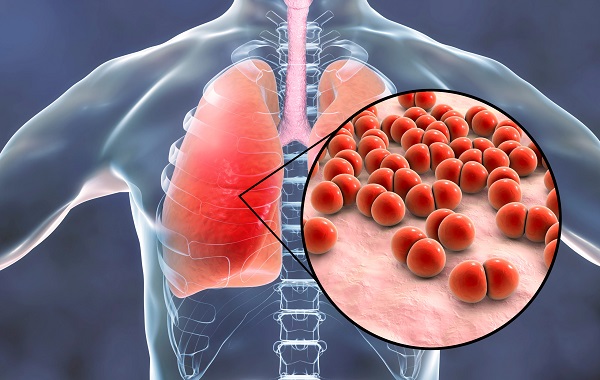
1. Chest (Especially One Side)
The most direct area associated with lung health.
What it may feel like:
- Sharp or stabbing pain when breathing deeply
- Tightness or pressure
- Pain that worsens with coughing
Possible causes:
- Inflammation of lung lining
- Infection
- Other lung conditions
🚨 Seek care if chest pain is severe, persistent, or paired with shortness of breath.
🦴 2. Upper Back (Between the Shoulder Blades)
Pain in the upper back is often mistaken for muscle strain—but it can sometimes be linked to lung irritation.
Clues:
- Deep, dull ache
- Pain that doesn’t improve with rest
- Discomfort when breathing or coughing
🤲 3. Shoulder (Especially Left or Right Side)
Lung-related pain can sometimes radiate to the shoulder due to shared nerve pathways.
What to watch for:
- Pain without clear injury
- Persistent discomfort that doesn’t change with movement
🦵 4. Arm Pain (Unexplained)
Although less common, lung-related conditions can cause pain that travels down the arm.
Clues:
- No history of strain or injury
- Combined with chest discomfort or breathing changes

🦷 5. Neck and Jaw
This type of pain is often overlooked.
Possible signs:
- Tightness or aching in neck/jaw
- Occurs alongside chest discomfort or fatigue
🫁 6. Rib Cage Pain
Pain around the ribs may be linked to lung inflammation or irritation.
Characteristics:
- Pain when pressing the area
- Worse with coughing, sneezing, or deep breaths
🧠 7. Persistent Headache with Breathing Issues
While not directly a lung pain area, headaches can occur when oxygen levels are affected.
Watch for:
- Headaches with fatigue
- Dizziness
- Shortness of breath
⚠️ Important Context: Not All Pain = Lung Disease
Most of these symptoms are more commonly caused by non-serious issues, such as:
- Muscle strain
- Poor posture
- Minor infections
The concern comes when pain is:
- Persistent
- Unexplained
- Getting worse over time
- Paired with respiratory symptoms
🚨 Warning Signs You Should Not Ignore
Seek medical attention if you experience:
- Shortness of breath
- Chronic cough
- Coughing up blood
- Unexplained weight loss
- Ongoing chest pain
These may indicate more serious lung conditions that need evaluation.
🧠 What Your Body Is Trying to Tell You
Pain is a signal, not a diagnosis.
When it appears in unusual patterns—especially across multiple areas—it may reflect:
- Irritation or inflammation
- Nerve-related signals
- Changes in breathing or oxygen levels
The key is to observe patterns, not panic over isolated symptoms.
🛡️ How to Protect Your Lung Health
✔️ Avoid Smoking and Secondhand Smoke
The biggest risk factor for lung disease.
✔️ Stay Physically Active
Supports lung capacity and circulation.
✔️ Improve Air Quality
Reduce exposure to pollution and dust.
✔️ Get Regular Health Checkups
Especially if you have risk factors.

💡 Final Thoughts
Pain in certain areas of the body can sometimes be your body’s way of signaling that something isn’t right with your lungs - but context matters.
Most pain has harmless explanations. However, persistent or unusual patterns should never be ignored.
Because when it comes to health, the difference between “nothing serious” and “something important” often lies in how early you pay attention.