Pancreatic Cancer: The Silent Killer You Need to Catch Early
Pancreatic cancer is often called one of the most dangerous cancers—not because it’s the most common, but because it’s extremely difficult to detect early. By the time symptoms become noticeable, the disease has often already progressed.
That’s why understanding the early warning signs isn’t just helpful—it’s potentially life-saving.
Why Pancreatic Cancer Is So Dangerous
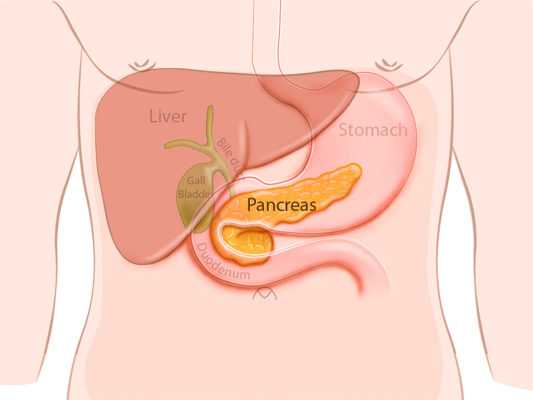
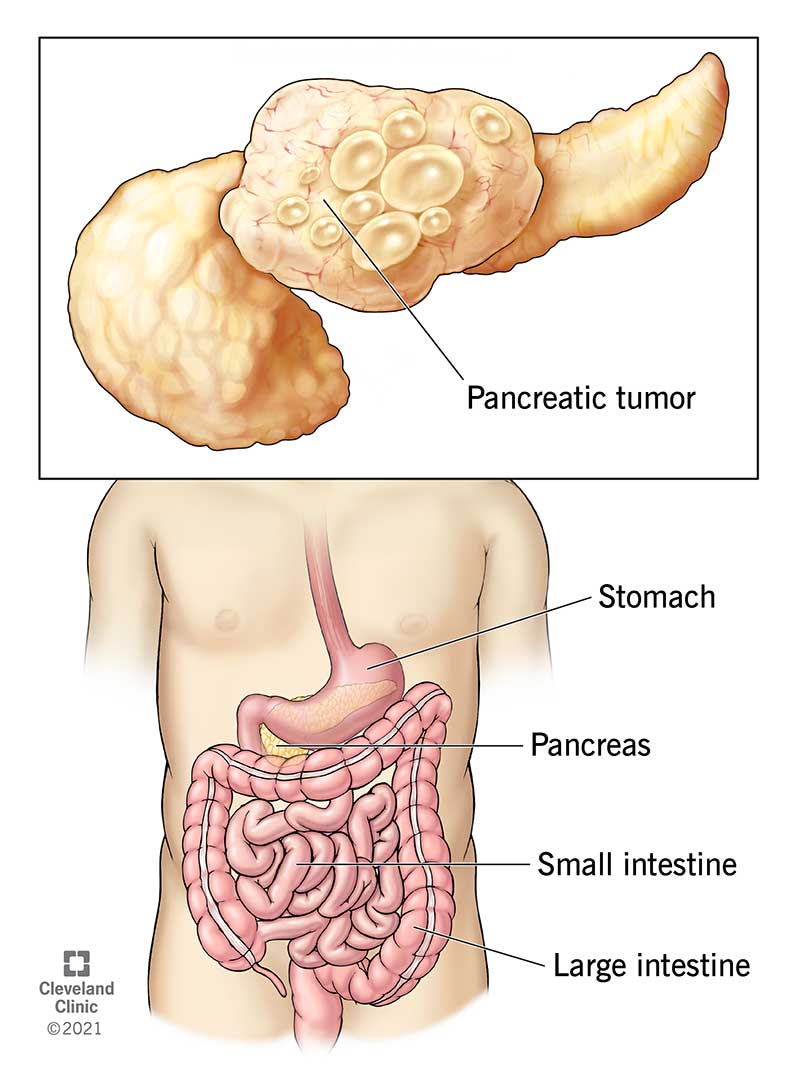
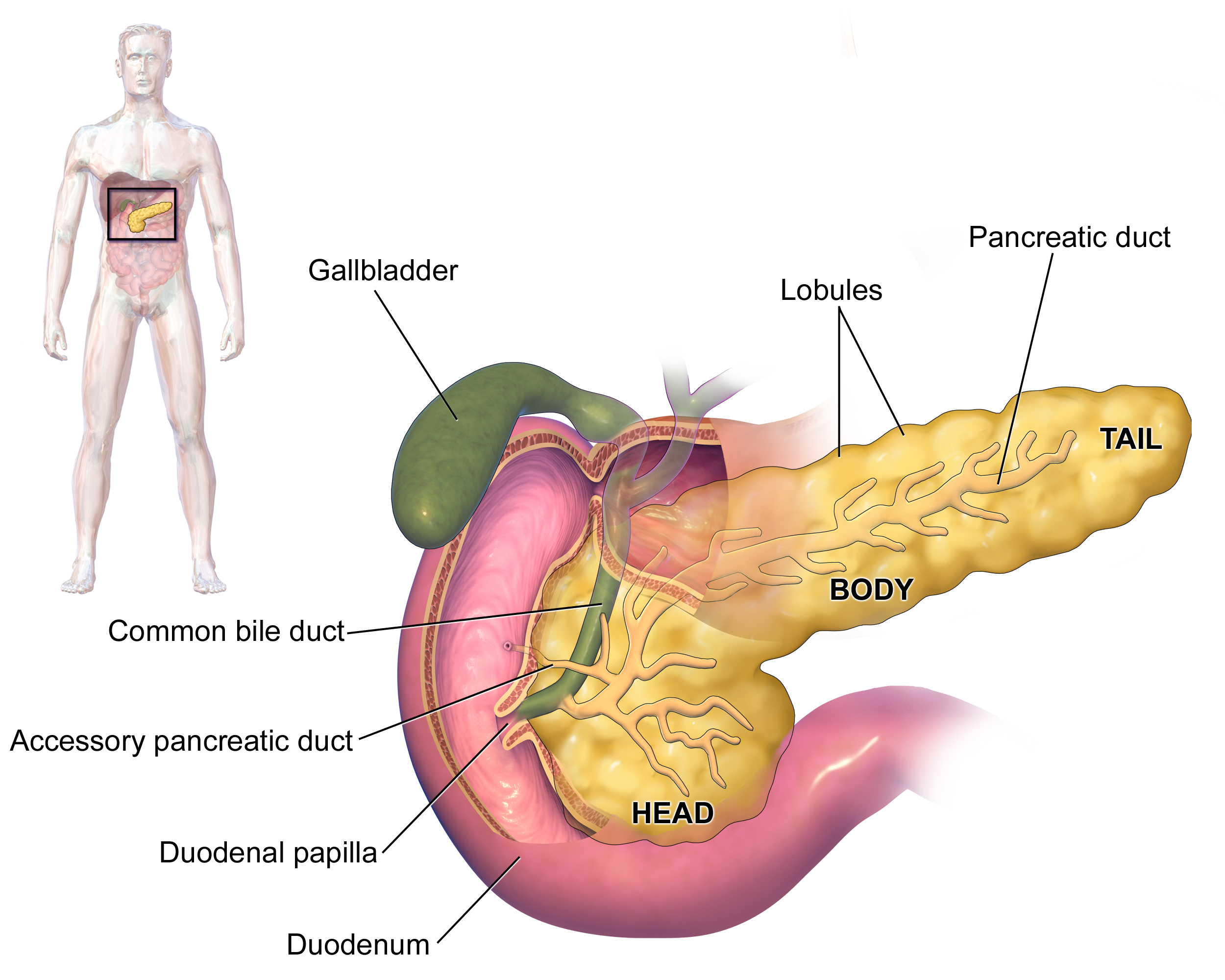
The pancreas sits deep inside the abdomen, making tumors hard to detect in early stages. Unlike some other cancers, it rarely causes obvious symptoms at first.
 4
4
By the time it’s discovered, it may have already spread to nearby organs.
Early Warning Signs You Should Never Ignore
1. Persistent Abdominal Pain (Especially Radiating to the Back)
One of the earliest signs is a dull, constant pain in the upper abdomen that may spread to the back.
👉 It often worsens after eating or when lying down.
2. Unexplained Weight Loss
Losing weight without trying is a red flag. Pancreatic cancer can interfere with digestion and appetite.
3. Loss of Appetite
You may suddenly feel full quickly or lose interest in food altogether.
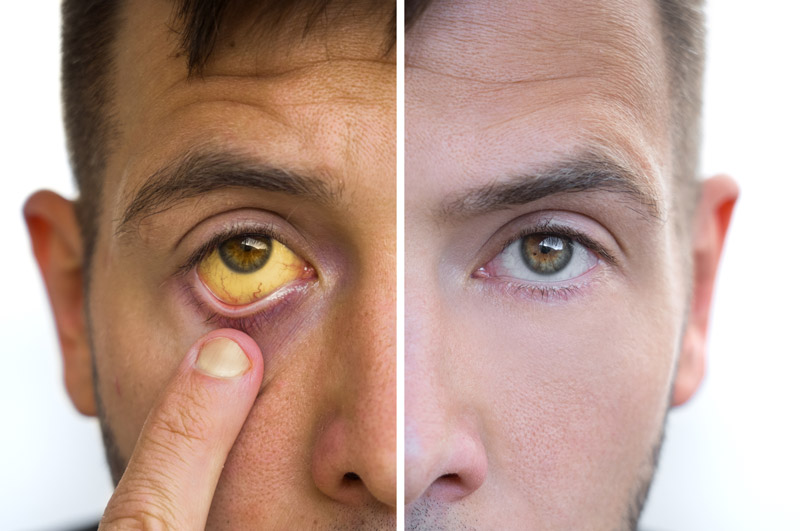
4. Jaundice (Yellowing of Skin and Eyes)


 4
4
This happens when a tumor blocks the bile duct, causing a buildup of bilirubin.
Signs include:
- Yellow skin/eyes
- Dark urine
- Pale stools
5. Digestive Problems
You may experience:
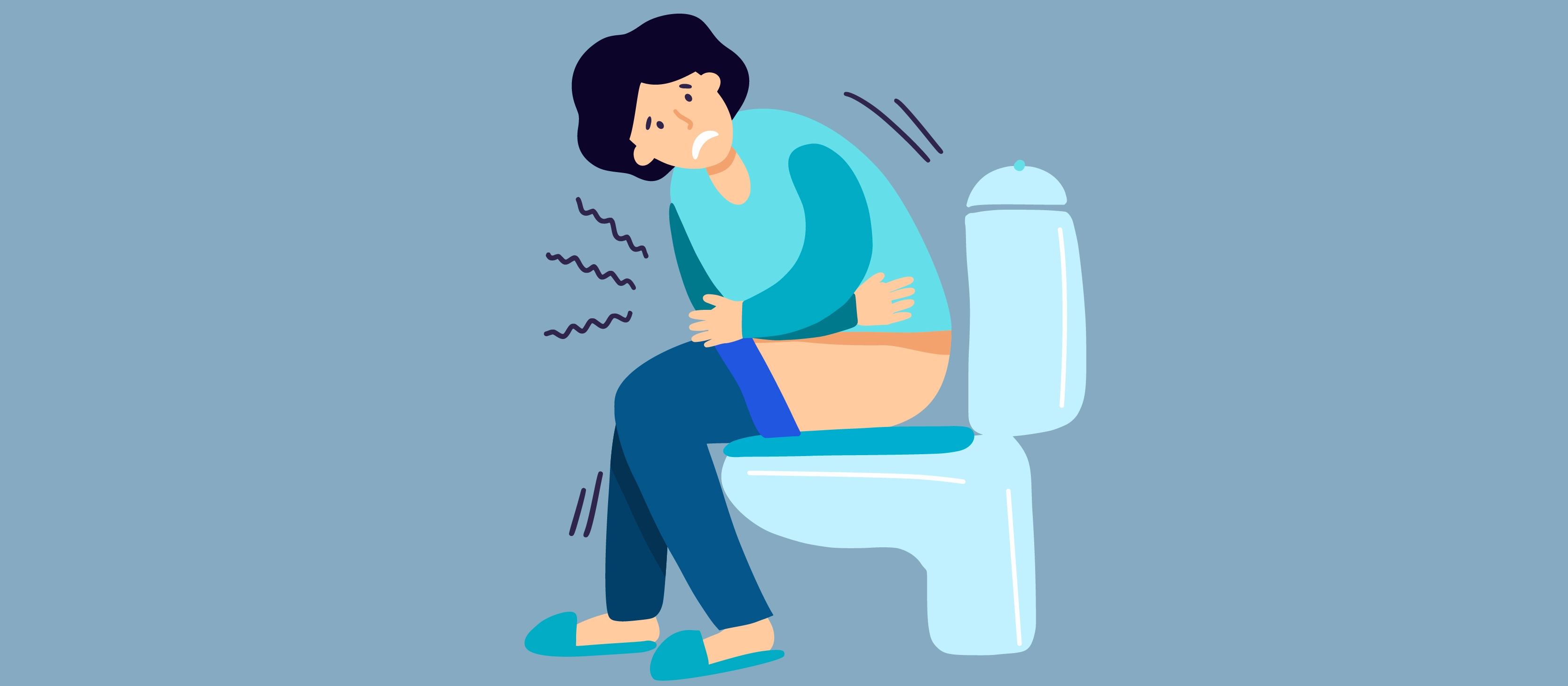
- Nausea
- Vomiting
- Bloating
This happens because the pancreas plays a key role in digestion.
6. New-Onset Diabetes
Sudden diabetes—especially in someone without risk factors—can be an early clue.
👉 The pancreas is responsible for insulin production, so tumors can disrupt this function.
7. Fatigue and Weakness
Constant tiredness that doesn’t improve with rest may indicate something deeper.
8. Changes in Stool

 4
4
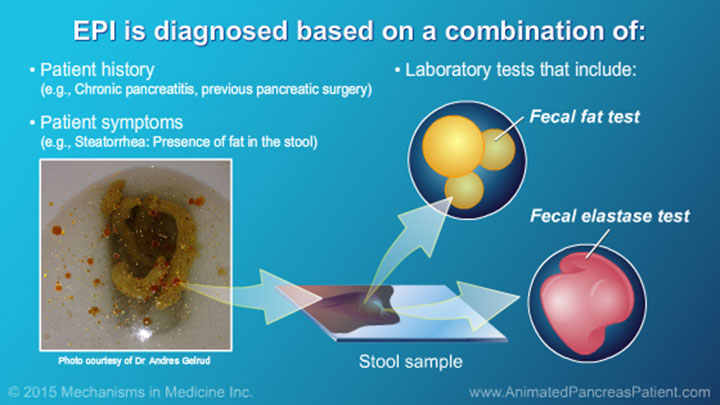
Stools may become:
- Pale
- Greasy
- Difficult to flush
This indicates fat malabsorption due to pancreatic dysfunction.
Who Is at Higher Risk?
Certain factors increase the likelihood:
- Smoking
- Obesity
- Chronic pancreatitis
- Family history of pancreatic cancer
- Age over 50
What You Should Do If You Notice Symptoms
Let’s be real—many of these signs can seem “normal” or easy to ignore. But here’s the key:
If symptoms persist or appear together, don’t wait. Get checked.
Early detection dramatically improves treatment options and survival rates.
Prevention: What Actually Helps
While not all cases can be prevented, these habits reduce risk:
- Maintain a healthy weight
- Avoid smoking
- Eat a balanced diet rich in whole foods
- Limit processed and high-fat foods
- Exercise regularly
Final Thought
Pancreatic cancer doesn’t shout—it whispers.
That’s what makes it so dangerous.
Listening to your body, noticing subtle changes, and acting early can make all the difference.