Pancreatic Cancer: 10 Early Warning Signs You Should Never Ignore
Pancreatic cancer is often referred to as a “silent disease” because it rarely causes noticeable symptoms in its early stages. By the time warning signs appear, the condition may already be advanced—making early awareness critically important.
According to the article, recognizing subtle changes in the body can help people seek medical attention sooner. While these symptoms do not always indicate cancer, persistent or unusual signs should never be ignored.
Why Early Signs Are Easy to Miss
Medical experts note that pancreatic cancer often develops without clear symptoms at first. When signs do appear, they are frequently mistaken for common digestive issues or fatigue.
This overlap makes early detection difficult and contributes to late diagnoses.
10 Warning Signs to Watch For
1. Abdominal or Back Pain
Persistent pain in the upper abdomen or lower back is one of the most common warning signs. The discomfort may come and go or gradually worsen over time.
2. Unexplained Weight Loss
Sudden weight loss without changes in diet or exercise may indicate that the body is not absorbing nutrients properly.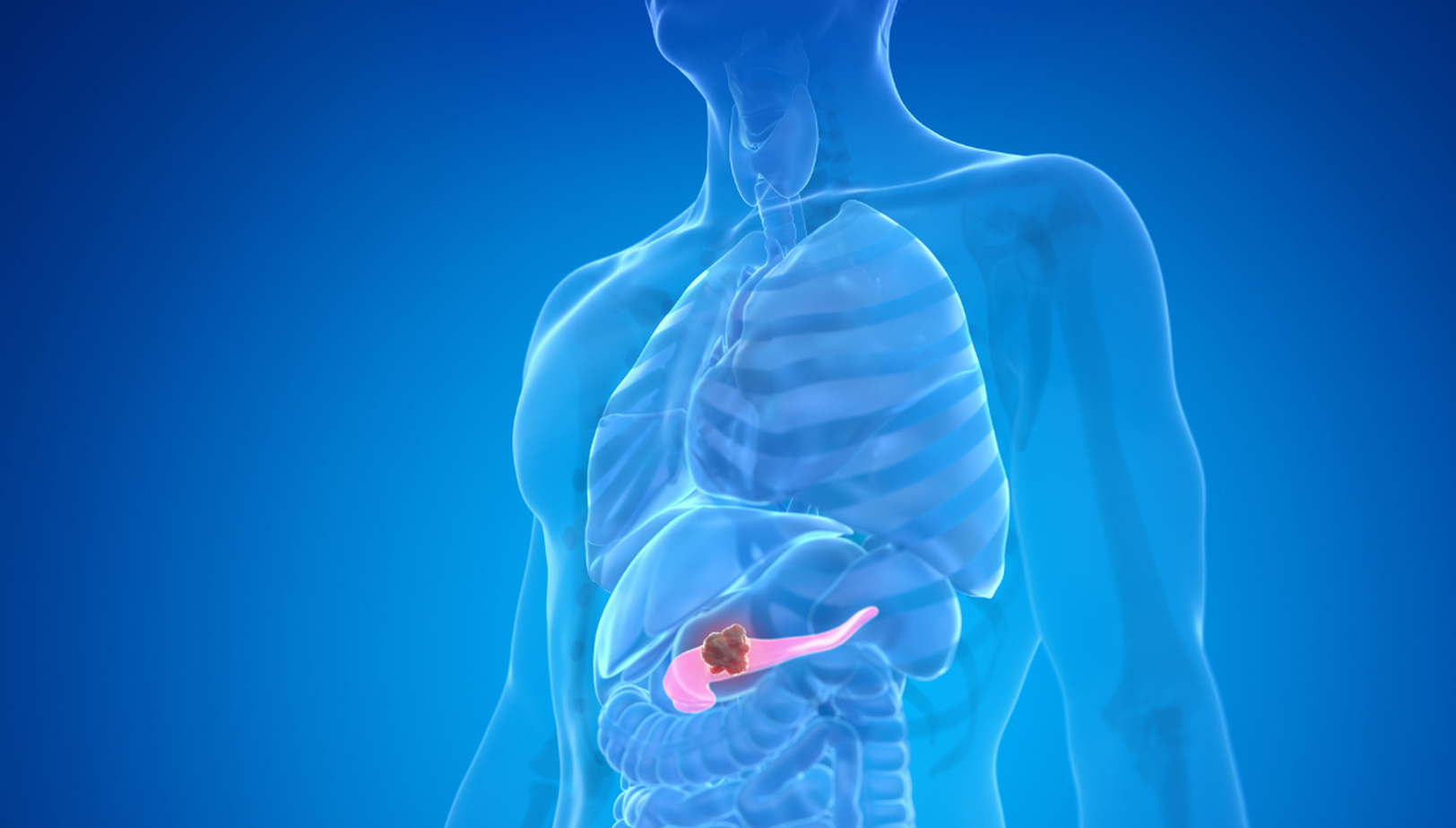
3. Loss of Appetite
A noticeable decrease in appetite or feeling full quickly can be an early signal of digestive disruption.
4. Jaundice (Yellowing of Skin and Eyes)
This is often one of the first visible signs. It occurs when a tumor blocks the bile duct, leading to a buildup of bilirubin.
5. Dark Urine and Pale Stools
Changes in urine and stool color may be linked to bile flow issues and should not be overlooked.
6. Digestive Problems
Symptoms such as nausea, vomiting, bloating, or indigestion may occur as the pancreas struggles to function properly.
7. Persistent Fatigue
Unusual tiredness or weakness that does not improve with rest can be a warning sign.
8. Itchy Skin
This may be related to jaundice and bile buildup in the body.
9. New-Onset Diabetes
Sudden development of diabetes—especially without a clear cause—can sometimes be linked to pancreatic dysfunction.
10. Changes in Bowel Habits
Ongoing diarrhea, constipation, or greasy stools may indicate problems with digestion and enzyme production.
When Should You Be Concerned?
Experts emphasize that these symptoms are often caused by less serious conditions. However, if they:
- Persist for more than a few weeks
- Occur together
- Gradually worsen
medical evaluation is strongly recommended.
The Bottom Line
Pancreatic cancer is difficult to detect early, but the body often gives subtle warning signs.
Recognizing these symptoms and acting promptly can make a significant difference. As the article highlights, awareness is one of the most important tools in early detection.