Pancreatic cancer can be difficult to recognize in its early stages.
The pancreas sits deep inside the abdomen, behind the stomach, and many of its early changes may not cause obvious symptoms. When symptoms do appear, they can resemble much more common digestive problems, making them easy to dismiss.
That doesn't mean every episode of indigestion, back pain, or fatigue is a sign of pancreatic cancer. In fact, most people with these symptoms will have another explanation.
Still, understanding the possible warning signs can help you recognize persistent or unusual changes that deserve medical attention.
The pancreas has several important functions. It produces digestive enzymes that help break down food and hormones such as insulin that help regulate blood sugar. When a tumor develops, it can interfere with these functions or obstruct nearby structures, including the bile ducts.
Here are 10 possible warning signs to know about.
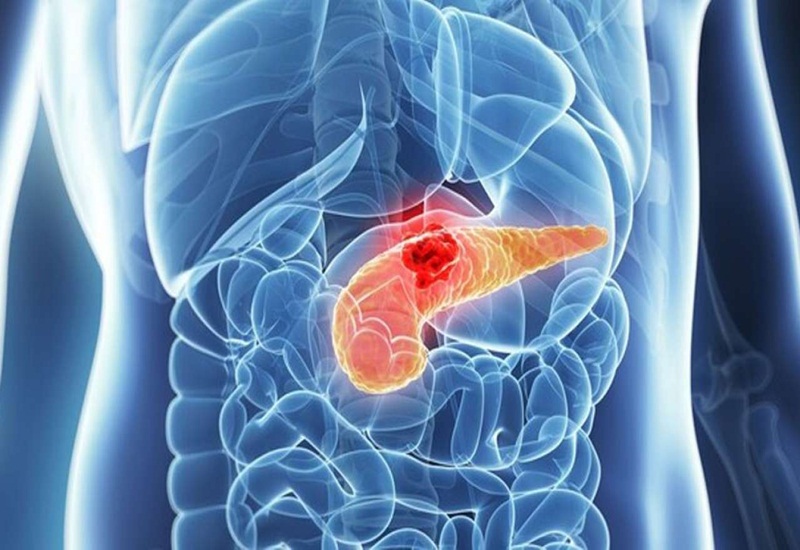
1. Yellowing of the Skin or Eyes
One of the more recognizable symptoms associated with pancreatic cancer is jaundice, which causes the skin and whites of the eyes to become yellow.
Jaundice occurs when bilirubin builds up in the bloodstream.
A tumor located in the head of the pancreas can sometimes block the common bile duct, preventing bile from flowing normally from the liver into the intestine.
When this happens, other changes may appear alongside yellow skin or eyes.
A person might notice:
- Darker-than-usual urine
- Pale or clay-colored stools
- Itchy skin
- Abdominal discomfort
- Loss of appetite
Jaundice has many other causes, including gallstones, hepatitis, liver disease, and other bile-duct problems.
However, new unexplained jaundice should be evaluated promptly, particularly when it develops without an obvious explanation.
2. Persistent Abdominal Pain
Abdominal discomfort can have countless causes, from indigestion and constipation to ulcers and gallbladder problems.
Pain associated with pancreatic disease can sometimes occur in the upper abdomen and may extend toward the back.
Some people describe it as a deep or persistent discomfort rather than a sharp pain.
The pain may become more noticeable after eating or when lying down, although patterns vary considerably.
Because abdominal pain is extremely common, its presence alone does not point specifically to pancreatic cancer.
What matters more is a change in pattern.
Pain that is persistent, progressively worsening, unexplained, or accompanied by other concerning symptoms deserves medical evaluation rather than repeated self-treatment.
3. Back Pain Without an Obvious Cause
The pancreas is located deep in the abdomen near structures in the back, so problems involving the pancreas can sometimes cause pain that is felt in the back.
This can make the symptom particularly easy to misinterpret.
Someone may assume they strained a muscle, slept in an awkward position, or simply developed ordinary back pain.
And in most cases, that's exactly what is happening.
But persistent upper-abdominal or mid-back discomfort that doesn't have an obvious musculoskeletal explanation deserves attention, particularly if it occurs alongside digestive symptoms, unexplained weight loss, jaundice, or changes in appetite.
A doctor may need to consider several possible causes rather than focusing on the pancreas alone.
4. Unexplained Weight Loss
Unexpected weight loss is another symptom that can occur with pancreatic cancer.
If someone is losing weight without intentionally changing their diet or increasing physical activity, there may be an underlying reason.
Cancer can contribute to weight loss through several mechanisms, including reduced appetite, changes in metabolism, inflammation, and digestive problems.
Pancreatic tumors can also interfere with digestion, potentially affecting how nutrients are processed.