
9 Symptoms That May Be Associated With Gluten Sensitivity
Recognizing Symptoms That May Be Linked to Gluten Sensitivity
Health 23/07/2026 16:19
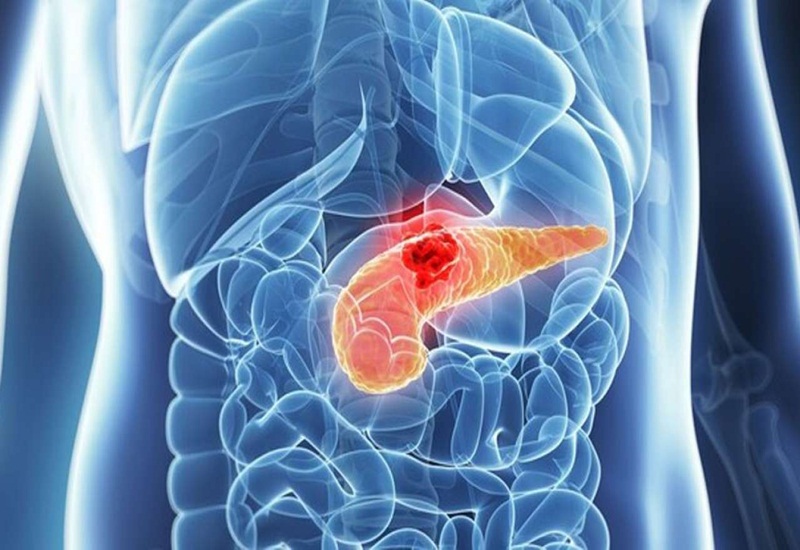
Pancreatic cancer is one of the most challenging cancers to detect early. Unlike some other types of cancer, it often develops quietly, causing few or no symptoms in its initial stages. As a result, many people are diagnosed only after the disease has progressed, making treatment more difficult.
Although pancreatic cancer is relatively uncommon compared with cancers such as breast, lung, or colorectal cancer, it is an important health concern because early diagnosis can improve treatment options and outcomes.
It's important to remember that most of the symptoms discussed below are not specific to pancreatic cancer. They can also occur with many other conditions, including gallstones, pancreatitis, liver disease, stomach ulcers, irritable bowel syndrome (IBS), or infections. However, if these symptoms are persistent, worsening, or occur together, they deserve medical evaluation.
Here are 11 potential warning signs of pancreatic cancer and what they may indicate.
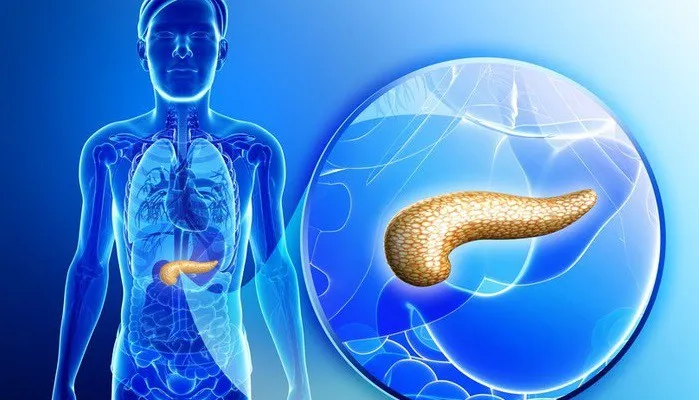
The pancreas is a gland located behind the stomach.
It performs two major functions:
Produces digestive enzymes that help break down food.
Produces hormones such as insulin and glucagon, which regulate blood sugar levels.
Cancer develops when abnormal cells grow uncontrollably within pancreatic tissue.
Jaundice is one of the most recognizable symptoms of pancreatic cancer, particularly when tumors block the bile ducts.
Signs may include:
Yellow skin
Yellow eyes
Dark urine
Pale or clay-colored stools
Itchy skin
However, gallstones and liver diseases are much more common causes of jaundice than pancreatic cancer.
Any new onset of jaundice should be evaluated promptly.
Pain in the upper abdomen is common in many digestive disorders.
When related to pancreatic cancer, the pain may:
Gradually worsen
Radiate toward the back
Become worse after eating
Become more noticeable when lying down
Persistent abdominal pain should never be ignored.
Some people with pancreatic cancer experience pain in the middle or upper back.
This occurs because the pancreas lies close to nerves near the spine.
Of course, back pain is extremely common and is far more likely to result from muscle strain, arthritis, or spinal problems.
:format(webp)/ung_thu_tuyen_tuy_giai_doan_4_nhung_dieu_ban_nen_biet_1_9b4b960983.jpg)
Unexpected weight loss without changes in diet or exercise may indicate many different medical conditions.
Possible reasons include:
Reduced appetite
Poor digestion
Cancer
Thyroid disease
Diabetes
Chronic infections
Significant unexplained weight loss always deserves medical evaluation.
Many people with pancreatic cancer report eating less than usual.
This may happen because:
Digestive problems develop.
Abdominal discomfort increases.
Food becomes less appealing.
Loss of appetite lasting several weeks should be discussed with a healthcare provider.
A growing tumor may press on nearby portions of the stomach or small intestine.
This can contribute to:
Nausea
Vomiting
Feeling full quickly
Difficulty eating normal-sized meals
These symptoms have many possible causes and are not specific to pancreatic cancer.
The pancreas produces enzymes that help digest fat.
If these enzymes cannot reach the intestines properly, stools may become:
Pale
Greasy
Bulky
Difficult to flush
Foul-smelling
This condition, called steatorrhea, can also occur in several other digestive disorders.
Research has found that some people develop diabetes shortly before being diagnosed with pancreatic cancer.
This does not mean that most people with diabetes have pancreatic cancer.
In fact, type 2 diabetes is extremely common and usually has no relationship to pancreatic cancer.
However, new-onset diabetes in older adults—particularly when accompanied by unexplained weight loss—may warrant further evaluation.
Cancer-related fatigue differs from ordinary tiredness.
People often describe it as:
Overwhelming exhaustion
Reduced energy
Fatigue not relieved by rest
Many other medical conditions can also cause fatigue, including anemia, thyroid disorders, depression, and sleep disorders.
Some people with pancreatic cancer develop blood clots before the cancer is diagnosed.
Warning signs of deep vein thrombosis (DVT) include:
Leg swelling
Pain
Warmth
Redness
A blood clot requires immediate medical attention regardless of its cause.
Ongoing digestive symptoms may include:
Bloating
Indigestion
Feeling full quickly
Difficulty digesting fatty foods
These symptoms are common and usually result from non-cancerous digestive conditions.
However, persistent symptoms that do not improve should be medically evaluated.
Several factors can increase the risk of pancreatic cancer.
These include:
Older age
Smoking
Obesity
Chronic pancreatitis
Family history of pancreatic cancer
Certain inherited genetic syndromes
Long-standing diabetes
Heavy alcohol use (through its association with chronic pancreatitis)
Having one or more risk factors does not mean a person will develop pancreatic cancer.
There is no guaranteed way to prevent pancreatic cancer.
However, healthy lifestyle habits may help lower overall cancer risk.
These include:
Avoiding tobacco products
Maintaining a healthy weight
Being physically active
Eating a diet rich in fruits, vegetables, and whole grains
Limiting processed meats and excessive alcohol
Managing diabetes appropriately
These habits also benefit overall health.
Fact: Most back pain is caused by musculoskeletal conditions, not cancer.
Fact: Gallstones, hepatitis, and other liver diseases are much more common causes.
Fact: The vast majority of people with diabetes do not have pancreatic cancer.
Fact: Many conditions—including thyroid disorders, digestive diseases, infections, and mental health conditions—can cause unintended weight loss.
Fact: Early-stage pancreatic cancer often causes few or no noticeable symptoms, which is one reason it can be difficult to detect.
Seek medical evaluation if you experience:
Persistent abdominal pain
Yellowing of the skin or eyes
Unexplained weight loss
Ongoing digestive problems
Persistent nausea or vomiting
Pale or greasy stools
New-onset diabetes with unexplained weight loss
Fatigue that continues without an obvious cause
Prompt evaluation does not necessarily mean cancer is present, but it can help identify the underlying cause and ensure timely treatment.
Many of the symptoms associated with pancreatic cancer overlap with those of far more common and less serious conditions. Because of this, it is impossible to diagnose pancreatic cancer based on symptoms alone.
Healthcare professionals may recommend imaging tests, blood tests, or additional evaluations depending on your symptoms, age, family history, and overall health.
Early medical attention offers the best opportunity to identify both cancerous and non-cancerous conditions before complications develop.
Pancreatic cancer is often difficult to detect because its early symptoms can be subtle or absent. Jaundice, persistent abdominal or back pain, unexplained weight loss, loss of appetite, digestive changes, fatigue, and new-onset diabetes are among the possible warning signs, but none of these symptoms alone confirms pancreatic cancer.
Most people who experience one of these symptoms will have a condition other than pancreatic cancer. Nevertheless, symptoms that are persistent, worsening, or occur together should never be ignored. Seeking timely medical evaluation can help identify the cause, whether it is pancreatic cancer or another treatable health condition, and provide the best opportunity for appropriate care.
Recognizing Symptoms That May Be Linked to Gluten Sensitivity


5 Possible Morning Warning Signs of Kidney Disease
How Certain Intimate Habits May Be Linked to Cervical Can.cer Risk: 3 Things to Know






You Don't Have to Smoke to Develop Lung Cancer

Doctors Reveal Who Should Be Careful With Cabbage

Do You Have This Tiny Hole Near Your Ear? Here's What It Really Means





The 4 Meaningful Things Some Traditions Recommend Keeping After Saying Goodbye

Recognizing Symptoms That May Be Linked to Gluten Sensitivity

5 Possible Morning Warning Signs of Kidney Disease

How Certain Intimate Habits May Be Linked to Cervical Can.cer Risk: 3 Things to Know

You Don't Have to Smoke to Develop Lung Cancer


Most People Misunderstand This Common Sleeping Position
Doctors Reveal Who Should Be Careful With Cabbage