Pancreatic cancer is one of the most challenging forms of cancer to diagnose and treat. Often called a "silent disease," it may not cause noticeable symptoms in its early stages. By the time signs become apparent, the cancer may already have spread beyond the pancreas, making treatment more difficult.
Although pancreatic cancer is less common than some other cancers, it is among the leading causes of cancer-related deaths worldwide. The reason is not necessarily that it is the most aggressive cancer, but rather that it is frequently diagnosed late.
Recognizing potential warning signs and understanding your personal risk factors can help you seek medical evaluation sooner. While these symptoms do not automatically mean you have pancreatic cancer, persistent or unexplained changes should never be ignored.
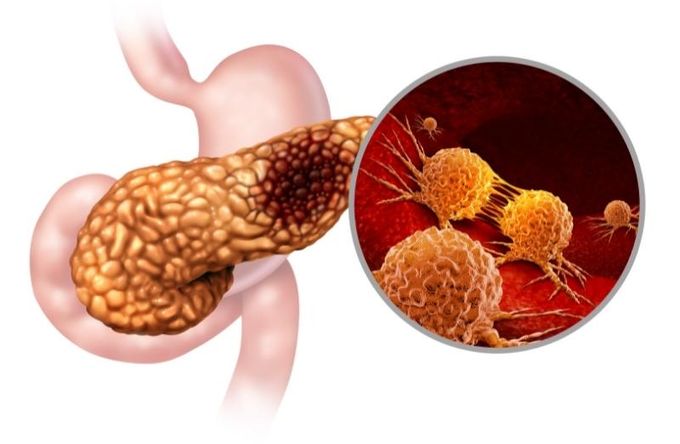
What Is the Pancreas?
The pancreas is a gland located behind the stomach and in front of the spine. It plays two essential roles in the body.
Digestive Function
The pancreas produces enzymes that help break down:
-
Fats
-
Proteins
-
Carbohydrates
These enzymes are released into the small intestine during digestion.
Hormone Production
The pancreas also produces hormones, including:
-
Insulin
-
Glucagon
These hormones regulate blood sugar levels and help maintain the body's energy balance.
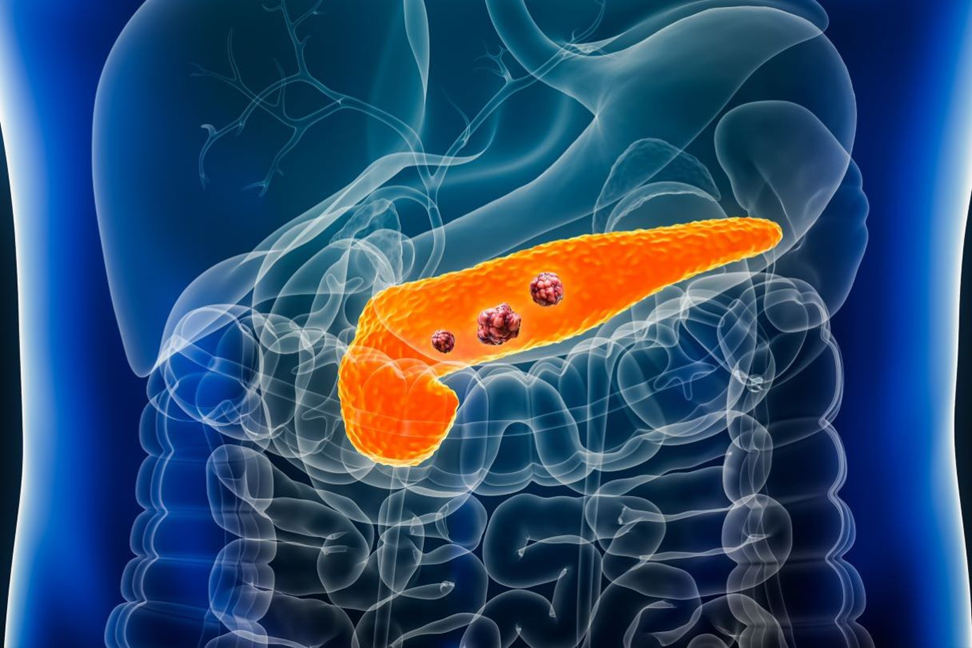
Because the pancreas is located deep inside the abdomen, tumors often grow without causing noticeable symptoms until they become larger.
Why Early Detection Matters
Unlike some cancers that can be detected through routine screening tests, there is currently no widely recommended screening test for pancreatic cancer in the general population.
As a result, many cases are diagnosed only after symptoms develop.
Early detection is important because:
-
Treatment options are often more effective.
-
Surgery may be possible if the cancer has not spread.
-
Earlier treatment may improve survival and quality of life.
-
Complications such as bile duct blockage or severe weight loss may be reduced.
People with a strong family history of pancreatic cancer or certain inherited genetic conditions may benefit from specialized screening programs. These should be discussed with a healthcare provider.
Who Is at Higher Risk?
Although anyone can develop pancreatic cancer, several factors are associated with an increased risk.
These include:
-
Age over 55
-
Cigarette smoking
-
Obesity
-
Type 2 diabetes, especially if newly diagnosed in older adults
-
Chronic pancreatitis
-
Family history of pancreatic cancer
-
Certain inherited genetic syndromes
-
Heavy alcohol use that contributes to chronic pancreatitis
Having one or more risk factors does not mean someone will develop pancreatic cancer, but it may justify closer medical attention if symptoms appear.
1. Persistent Upper Abdominal Pain
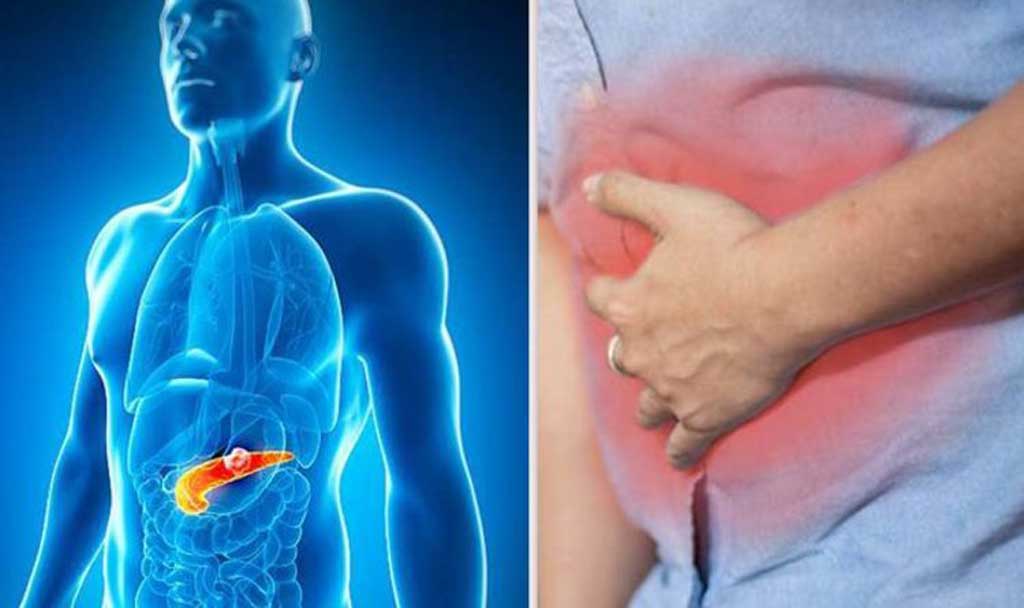
One of the earliest symptoms for some people is discomfort or pain in the upper abdomen.
The pain may:
-
Be dull or aching
-
Come and go
-
Become more constant over time
-
Spread to the middle or upper back
Pain often worsens after eating or when lying flat and may improve somewhat when leaning forward.
However, abdominal pain has many possible causes, including gallstones, ulcers, acid reflux, or muscle strain.
Persistent pain should always be evaluated by a healthcare professional.
2. Back Pain
Because the pancreas sits close to the spine, a growing tumor may irritate nearby nerves.
Some individuals experience:
-
Mid-back pain
-
Upper back discomfort
-
Deep aching pain that is difficult to pinpoint
Back pain alone is far more commonly caused by musculoskeletal conditions than pancreatic cancer.
It becomes more concerning when accompanied by other symptoms such as weight loss or jaundice.
3. Unexplained Weight Loss
Many people with pancreatic cancer experience unintended weight loss before diagnosis.
Possible reasons include:
-
Reduced appetite
-
Difficulty digesting food
-
Increased energy demands from cancer
-
Poor absorption of nutrients
Losing weight without trying should always be discussed with a healthcare provider, especially if the loss is significant or accompanied by other symptoms.
4. Loss of Appetite
People may gradually notice:
-
Feeling full quickly
-
Reduced interest in eating
-
Nausea after meals
-
Difficulty finishing normal-sized meals
Loss of appetite can result from many illnesses, but when it persists without explanation, it warrants medical evaluation.
5. Jaundice (Yellowing of the Skin or Eyes)
One of the more recognizable signs of pancreatic cancer is jaundice.
This occurs when a tumor blocks the bile duct, causing bilirubin to build up in the bloodstream.
Symptoms may include:
-
Yellow skin
-
Yellow eyes
-
Dark urine
-
Pale or clay-colored stools
-
Itchy skin
Jaundice requires prompt medical evaluation because it may also be caused by gallstones, hepatitis, or other liver and bile duct disorders.
6. Changes in Stool
The pancreas helps digest fat.
When pancreatic function is impaired, fat digestion may become less efficient.
This can lead to stools that are:
-
Pale
-
Greasy
-
Floating
-
Difficult to flush
-
Particularly foul-smelling
This condition, called steatorrhea, may indicate fat malabsorption.
Although it has many possible causes, persistent symptoms should be investigated.
7. New-Onset Diabetes
Researchers have found that some people develop diabetes shortly before being diagnosed with pancreatic cancer.
This is particularly important when:
-
Diabetes develops after age 50.
-
There is no obvious explanation.
-
It occurs together with weight loss.
Most people with newly diagnosed diabetes do not have pancreatic cancer, but in some cases it may be an early clue that warrants further evaluation.
8. Fatigue
Cancer-related fatigue differs from ordinary tiredness.
People often describe:
-
Feeling exhausted despite adequate sleep
-
Reduced energy throughout the day
-
Difficulty completing everyday activities
Fatigue alone is nonspecific and can result from numerous medical conditions, including anemia, thyroid disease, depression, infections, or poor sleep.
9. Digestive Problems
Some individuals experience:
-
Nausea
-
Indigestion
-
Bloating
-
Vomiting
-
Feeling unusually full after eating
As tumors grow, they may interfere with normal digestion or partially block the stomach or intestines.
Persistent digestive symptoms deserve medical assessment.
10. Blood Clots
In some cases, an unexplained blood clot may be one of the earliest signs of an underlying cancer.
Symptoms of a clot in the leg may include:
-
Swelling
-
Pain
-
Warmth
-
Redness
A clot that travels to the lungs can cause:
-
Sudden shortness of breath
-
Chest pain
-
Rapid heartbeat
Blood clots have many causes, but unexplained or recurrent clots should prompt a thorough medical evaluation.
Symptoms That Often Appear Together
While any one symptom may have a harmless explanation, combinations of symptoms are generally more concerning.
For example:
-
Jaundice plus weight loss
-
Back pain plus abdominal pain
-
New diabetes plus unexplained weight loss
-
Persistent digestive problems plus pale stools
These combinations should be evaluated promptly by a healthcare provider.
How Is Pancreatic Cancer Diagnosed?
If pancreatic cancer is suspected, your healthcare provider may recommend:
-
Medical history and physical examination
-
Blood tests
-
Liver function tests
-
CT scan
-
MRI
-
Endoscopic ultrasound (EUS)
-
Endoscopic retrograde cholangiopancreatography (ERCP) in selected cases
-
Biopsy to confirm the diagnosis
Diagnosis often requires several tests because many other conditions can produce similar symptoms.
Treatment Options
Treatment depends on:
-
Cancer stage
-
Tumor location
-
Overall health
-
Whether the cancer has spread
Common treatments include:
Surgery
If the cancer is detected early and remains localized, surgery offers the best chance for long-term survival.
The most common operation is the Whipple procedure, a complex surgery that removes part of the pancreas and nearby structures.
Chemotherapy
Chemotherapy may be used:
-
Before surgery
-
After surgery
-
When surgery is not possible
-
To slow cancer progression
Radiation Therapy
Radiation may be combined with chemotherapy in selected patients.
Targeted Therapy and Immunotherapy
Some patients with specific genetic mutations may benefit from targeted treatments.
Genetic testing is becoming increasingly important in treatment planning.
Supportive Care
Managing symptoms is a vital part of care and may include:
-
Pain management
-
Nutritional support
-
Pancreatic enzyme replacement
-
Psychological support
-
Palliative care to improve quality of life
Can Pancreatic Cancer Be Prevented?
There is no guaranteed way to prevent pancreatic cancer, but certain lifestyle choices may help lower risk.
These include:
-
Avoid smoking.
-
Maintain a healthy body weight.
-
Exercise regularly.
-
Eat a diet rich in fruits, vegetables, whole grains, and legumes.
-
Limit processed and red meats.
-
Moderate alcohol intake to reduce the risk of chronic pancreatitis.
-
Manage diabetes according to your healthcare provider's recommendations.
These habits also reduce the risk of many other chronic diseases.
Common Myths About Pancreatic Cancer
Myth 1: It Always Causes Symptoms Early
False.
Many people have few or no symptoms until the disease has progressed.
Myth 2: Only Smokers Get Pancreatic Cancer
False.
Smoking increases risk, but many people diagnosed have never smoked.
Myth 3: Stomach Pain Always Means Pancreatic Cancer
False.
Most abdominal pain is caused by conditions far more common than pancreatic cancer.
Myth 4: Pancreatic Cancer Cannot Be Treated
False.
Although it remains difficult to treat, advances in surgery, chemotherapy, targeted therapy, and supportive care continue to improve outcomes for many patients.
When Should You See a Doctor?
Schedule a medical evaluation if you experience:
-
Persistent abdominal or back pain
-
Unexplained weight loss
-
Jaundice
-
Pale or greasy stools
-
Persistent loss of appetite
-
Ongoing nausea or digestive problems
-
Newly diagnosed diabetes after age 50 with unexplained weight loss
-
Severe fatigue that does not improve
These symptoms are more commonly caused by conditions other than pancreatic cancer, but they should still be assessed, especially if they persist or worsen.
Final Thoughts
Pancreatic cancer is often difficult to detect in its earliest stages because symptoms can be subtle and easily mistaken for more common digestive conditions. While symptoms such as abdominal pain, jaundice, unexplained weight loss, new-onset diabetes, or changes in stool do not necessarily indicate pancreatic cancer, persistent or unexplained changes deserve prompt medical attention.
Early diagnosis offers the greatest opportunity for effective treatment, particularly when the cancer is still confined to the pancreas. Although routine screening is not recommended for most people, understanding the warning signs, knowing your personal risk factors, and seeking medical care when symptoms persist can make a meaningful difference.
Maintaining a healthy lifestyle, avoiding tobacco, and working with your healthcare provider to manage chronic conditions may help reduce your overall risk and support long-term health.