Early Signs of Pancreatic Cancer: Subtle Symptoms You Shouldn’t Ignore
Pancreatic cancer is sometimes called a “silent” disease because early-stage pancreatic cancer often causes few or no noticeable symptoms. By the time symptoms become obvious, the disease may already have progressed.
That doesn’t mean every stomachache or digestive problem is a sign of cancer. Most of these symptoms have many other, much more common causes. But persistent or unexplained changes deserve attention.
Here are some symptoms worth knowing:
1. 💛 Yellowing of the Skin or Eyes

One of the most important warning signs is jaundice, which causes the skin and whites of the eyes to turn yellow.
Jaundice can also be accompanied by dark urine, pale or greasy stools, and itchy skin. It can happen when a tumor blocks the bile duct. However, pancreatic cancer is not the only cause of jaundice—gallstones, hepatitis, and other liver or bile-duct conditions can also cause it.
2. ⚖️ Unexplained Weight Loss
Losing weight without deliberately changing your diet or exercise routine can have many causes.
However, unintentional weight loss and loss of appetite are among the symptoms associated with pancreatic cancer and should be discussed with a healthcare professional when they are persistent or unexplained.
3. 🩻 Persistent Abdominal or Back Pain
Pain in the upper or middle abdomen may sometimes occur with pancreatic cancer and can extend toward the back.
Again, abdominal and back pain are extremely common and are usually caused by conditions other than cancer. The concern is greater when the pain is persistent, unexplained, or accompanied by other symptoms.
4. 🤢 Nausea or Vomiting
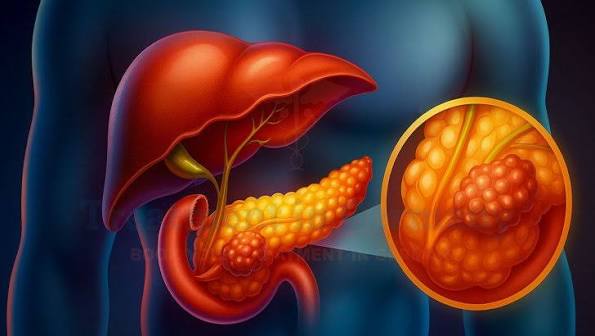
Some pancreatic tumors can interfere with the normal movement of food through the stomach, leading to nausea, vomiting, abdominal discomfort, or pain, particularly after eating.
5. 😴 Unusual Fatigue
Persistent tiredness or weakness can occur in people with pancreatic cancer.
But fatigue is extremely nonspecific and is much more commonly associated with other conditions, including poor sleep, stress, anemia, infections, and many other health problems.
6. 🍽️ Loss of Appetite or Digestive Changes
A reduced appetite may occur along with weight loss. Some people may also experience digestive symptoms such as nausea or changes related to problems digesting food.
These symptoms alone do not mean someone has pancreatic cancer, but persistent changes should not simply be ignored.
7. 🩸 New or Unexpected Changes in Blood Sugar
The pancreas plays an important role in regulating blood sugar. Research has found an association between new-onset diabetes and pancreatic cancer, although the vast majority of people who develop diabetes do not have pancreatic cancer.
For this reason, unexpected changes in blood sugar or newly diagnosed diabetes—particularly when accompanied by unexplained weight loss or other concerning symptoms—may warrant a conversation with a healthcare professional.
⚠️ When Should You See a Doctor?
Don't panic if you experience one of these symptoms. These signs are not specific to pancreatic cancer and are often caused by other conditions.
However, seek medical advice if symptoms are persistent, unexplained, worsening, or occurring together—for example:
- Yellow skin or eyes
- Unexplained weight loss
- Persistent abdominal or back pain
- Ongoing nausea or vomiting
- Significant loss of appetite
- Dark urine or unusually pale stools
- Persistent unexplained fatigue
A doctor may review your medical history, perform a physical examination, and order blood tests or imaging studies when appropriate.
🔎 Why Is Pancreatic Cancer Often Found Late?
One of the biggest challenges is that pancreatic cancer often doesn't produce noticeable symptoms in its early stages. When symptoms do appear, they can resemble those of many other common illnesses.
Currently, there is no routine screening test recommended for the general population that can reliably detect pancreatic cancer before symptoms develop. Researchers are actively studying new methods for earlier detection.
❤️ The Bottom Line
A single symptom does not mean you have pancreatic cancer.
But unexplained changes that persist or occur together shouldn't be dismissed. Paying attention to your body and getting unusual symptoms evaluated can help identify the real cause and, when necessary, lead to earlier medical care.
Knowing the possible warning signs isn't about living in fear—it's about knowing when it's worth getting checked.
This article is for educational purposes only and does not diagnose pancreatic cancer or replace advice from a qualified healthcare professional.