When most people cut open a ripe papaya, they scoop out the black seeds, throw them away, and enjoy the sweet orange flesh. That is understandable - the seeds have a sharp, peppery flavor and a texture that is very different from the fruit.
But papaya seeds are more than just something that gets in the way.
They contain fiber, healthy fats, polyphenols, and other plant compounds that have attracted scientific interest. Traditionally, papaya seeds have been used in various food and herbal practices, and researchers have investigated their potential antioxidant and antimicrobial properties.
That said, papaya seeds are not a miracle food or a proven treatment for disease. Much of the research is based on laboratory or animal studies, while human evidence remains limited.
Still, there are several interesting reasons these tiny seeds deserve a closer look.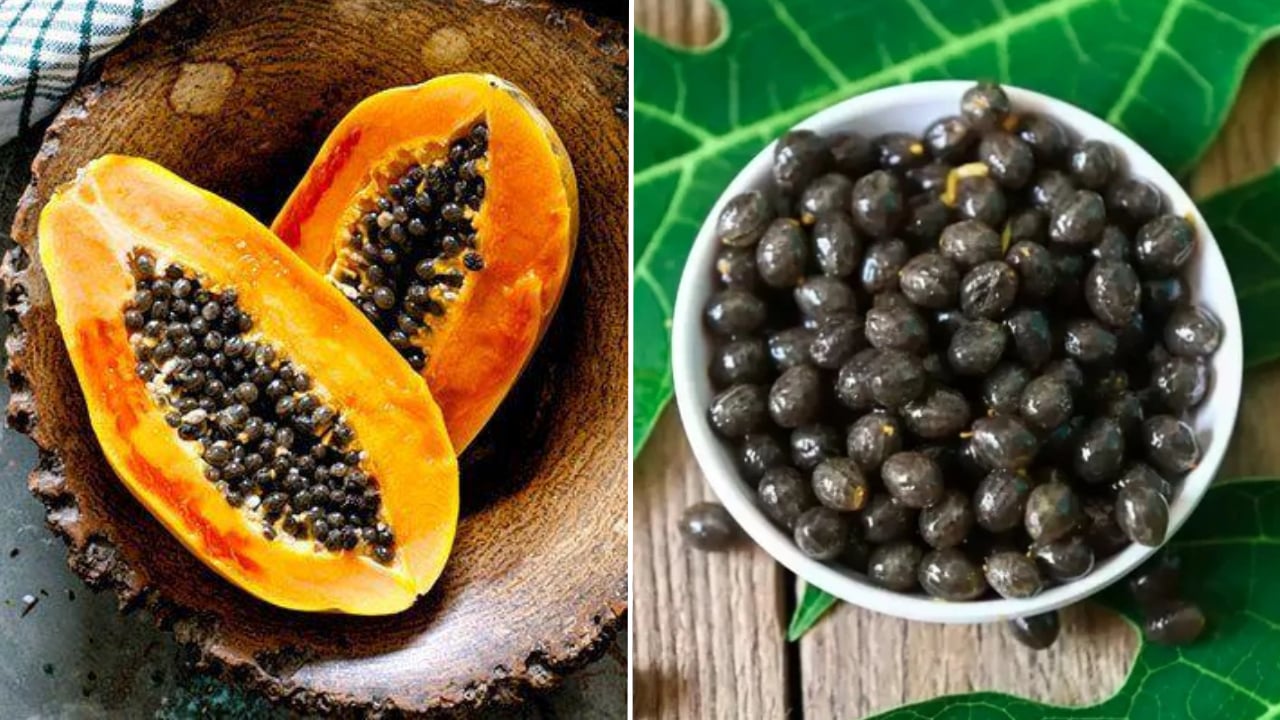
What Makes Papaya Seeds Different?
Papaya seeds come from the fruit of the Carica papaya plant.
Unlike the sweet, soft flesh, the seeds are firm, slightly crunchy, and naturally peppery. Their strong flavor comes from various plant compounds that give them their characteristic taste.
Nutritionally, the seeds contain small amounts of fat, protein, fiber, minerals, and bioactive compounds.
Because people usually consume papaya seeds in very small quantities, they should not be considered a major source of vitamins or minerals. Their potential interest comes more from their plant compounds than from their calorie or nutrient content.
1. Papaya Seeds Contain Antioxidant Compounds
One of the most interesting characteristics of papaya seeds is their content of various phenolic compounds and other antioxidants.
Antioxidants help protect cells from oxidative stress, a process that occurs when reactive molecules overwhelm the body's natural antioxidant defenses.
Oxidative stress is involved in many biological processes and has been studied in connection with aging and chronic disease.
Laboratory research has found antioxidant activity in papaya seed extracts.
However, this is an important distinction:
Antioxidant activity in a laboratory does not automatically mean eating papaya seeds will prevent disease in humans.
The human body is much more complicated than a laboratory test tube.
Nevertheless, including a variety of plant foods in the diet is generally a good way to obtain a broad range of naturally occurring compounds.
2. They May Have Antimicrobial Properties
Papaya seeds have also attracted attention for their potential antimicrobial activity.
Some laboratory studies suggest that compounds found in papaya seeds may inhibit the growth of certain microorganisms.
Researchers have investigated extracts of papaya seeds against various bacteria and other organisms.
These findings are interesting, but they should not be interpreted as evidence that eating papaya seeds can treat an infection.
If someone has a bacterial or parasitic infection, appropriate medical diagnosis and treatment are still necessary.
Papaya seeds should not be used as a replacement for prescribed medication.
3. They Contain Fiber
Papaya seeds also contain dietary fiber.
Fiber plays an important role in digestive health, helping support normal bowel movements and contributing to a healthy gut environment.
However, because people typically consume only a small amount of papaya seeds, they should not be viewed as a primary source of fiber.
Foods such as vegetables, fruits, beans, lentils, nuts, seeds, and whole grains generally provide much larger and more practical amounts.
Still, the fiber in papaya seeds adds another interesting nutritional characteristic to a part of the fruit that is commonly discarded.
4. Their Peppery Flavor Comes With Plant Compounds
If you've ever tasted a papaya seed, you probably noticed that it doesn't taste anything like the fruit.
The flesh is sweet and mild.
The seeds are peppery, slightly bitter, and sometimes spicy.
That strong flavor is partly related to the naturally occurring compounds found in the seeds.
Because of their flavor, they can sometimes be used similarly to a spice.
Some people dry the seeds and grind them before sprinkling a small amount over food.
This can be an interesting way to use the entire fruit instead of automatically throwing the seeds away.
5. Papaya Seeds Have Been Studied for Digestive Health
Traditional practices in different cultures have used papaya and its seeds for digestive purposes.
Modern researchers have also investigated papaya seeds in relation to gastrointestinal health.
Some studies have explored their potential effects against intestinal parasites, although the evidence is not strong enough to recommend papaya seeds as a reliable treatment.
Digestive problems can have many causes.
Persistent diarrhea, abdominal pain, unexplained weight loss, blood in the stool, or ongoing digestive changes should always be evaluated by a healthcare professional.
A handful of papaya seeds is not a substitute for determining the underlying cause.
6. Researchers Are Studying Their Potential Anti-Inflammatory Effects
Inflammation is a normal part of the body's immune response.
The problem occurs when inflammatory processes become chronic or poorly regulated.
Papaya seeds contain several bioactive compounds that have been investigated for their potential effects on inflammatory pathways.
Some laboratory and animal studies have produced interesting results.
However, more research is needed to determine whether eating papaya seeds in normal dietary amounts produces meaningful anti-inflammatory effects in humans.
This is a recurring theme when discussing plant-based foods:
Promising laboratory research is a reason for further investigation—not proof of a medical treatment.
7. They May Contain Healthy Fats
Papaya seeds contain oils with various fatty acids.
Research into papaya seed oil has identified compounds that may have nutritional and industrial applications.
The seeds contain both saturated and unsaturated fats, although the exact composition can vary depending on the variety and growing conditions.
Again, the amount consumed matters.
Eating a small quantity of seeds is not equivalent to consuming a large serving of seed oil.
8. They Can Help Reduce Food Waste
There is also a practical benefit to paying attention to papaya seeds.
Food waste is a major global issue.
When people throw away edible parts of fruits and vegetables without considering whether they can be safely used, potentially useful food is lost.
Papaya seeds are one example.
Instead of automatically discarding them, some people choose to wash, dry, grind, and use a small amount as a seasoning.
This doesn't mean every part of every fruit should be eaten.
It simply encourages a more thoughtful approach to food.
How Can You Eat Papaya Seeds?
If you want to try papaya seeds, start with a small amount.
Fresh seeds can be washed thoroughly and eaten directly, although their strong flavor may be unpleasant for some people.
Another option is to:
-
Remove the seeds from a ripe papaya.
-
Rinse them thoroughly.
-
Allow them to dry.
-
Use a small amount as a seasoning.
Dried seeds can be crushed or ground and used in small quantities over salads, vegetables, soups, or other dishes.
Their peppery flavor means you generally don't need much.
Don't Assume More Is Better
This is particularly important with papaya seeds.
Because they contain biologically active compounds, consuming very large quantities is not necessarily better.
Many claims online encourage people to eat large spoonfuls of papaya seeds for "detoxification," parasite removal, weight loss, or other health purposes.
These claims often go far beyond what scientific evidence can support.
A natural ingredient can still have biological effects, and natural does not automatically mean harmless in unlimited quantities.
Who Should Be Careful?
Certain people should be more cautious about consuming papaya seeds, particularly in large or concentrated amounts.
Pregnant Women
Papaya products have traditionally raised concerns during pregnancy, particularly unripe or semi-ripe papaya and concentrated preparations.
Because human evidence regarding large amounts of papaya seeds during pregnancy is limited, pregnant women should avoid experimenting with concentrated papaya seed preparations unless their healthcare professional specifically approves them.
People Taking Medications
Papaya seeds may contain compounds capable of interacting with biological pathways involved in drug metabolism or blood clotting.
If you take prescription medications regularly, particularly blood-thinning or antiplatelet medications, it is sensible to ask your doctor or pharmacist before consuming large amounts of papaya seeds or concentrated extracts.
People With Digestive Sensitivity
Because the seeds are strong, peppery, and contain fiber and bioactive compounds, consuming large amounts may cause digestive discomfort in some people.
If you experience stomach pain, diarrhea, nausea, or other symptoms after eating them, stop and discuss the issue with a healthcare professional if symptoms persist.
What About Papaya Seeds and Parasites?
This is one of the most common claims surrounding papaya seeds.
Some studies have investigated papaya seed preparations for their potential antiparasitic effects. Certain laboratory and small human studies have produced interesting findings.
But this area of research is still limited.
You should not assume that eating papaya seeds will eliminate intestinal parasites.
If you suspect a parasitic infection, proper testing and medical treatment are far more reliable than attempting to self-treat with papaya seeds.
Symptoms such as persistent diarrhea, abdominal pain, unexplained weight loss, or prolonged digestive problems deserve proper evaluation.
Can Papaya Seeds Detox the Body?
The word "detox" is frequently used in online health content, but it can be misleading.
Your liver and kidneys already perform important roles in processing substances and eliminating waste.
There is no strong evidence that eating papaya seeds dramatically "cleanses" these organs.
Rather than searching for a single detoxifying ingredient, it makes more sense to support normal liver and kidney function through healthy habits.
That includes staying adequately hydrated, eating a balanced diet, limiting excessive alcohol, avoiding unnecessary supplements, exercising regularly, and managing conditions such as diabetes and high blood pressure.
Papaya Flesh Still Deserves the Spotlight
While the seeds are interesting, don't forget about the fruit itself.
Papaya flesh is an excellent source of vitamin C and also provides vitamin A precursors, folate, potassium, and dietary fiber.
It contains carotenoids and other plant compounds that contribute to its nutritional value.
Papaya is therefore a much more established component of a healthy diet than papaya seed supplements.
You don't need to eat the seeds to benefit from papaya.
The flesh alone can be a nutritious addition to meals and snacks.
Papaya Seeds Are Not a Cancer Cure
Another claim sometimes seen online is that papaya seeds can destroy cancer cells.
There is laboratory research investigating compounds from papaya and other plants for their effects on cancer cells.
But this does not mean eating papaya seeds can treat cancer.
Cancer is a complex group of diseases requiring evidence-based diagnosis and treatment.
No one should delay chemotherapy, surgery, radiation, targeted therapy, immunotherapy, or another recommended treatment in favor of papaya seeds.
Food can support nutrition during illness, but it should not be presented as a replacement for medical care.
A Little Goes a Long Way
If you enjoy experimenting with food, papaya seeds can be an interesting ingredient.
Because of their intense flavor, you only need a small amount.
Think of them more like a spice or garnish than a major food source.
This approach is also more consistent with the limited evidence available. There is no established need to consume large quantities every day.
The Bottom Line
Papaya seeds are often discarded, but they contain fiber, fatty acids, polyphenols, and other plant compounds that make them scientifically interesting.
Research has explored their antioxidant, antimicrobial, anti-inflammatory, and potential antiparasitic properties. However, much of the evidence comes from laboratory or animal research, and human evidence remains limited.
For most healthy adults, using a small amount of properly prepared papaya seeds as a food ingredient may be reasonable.
But more is not necessarily better.
Pregnant women, people taking certain medications, and those with medical conditions should be particularly cautious about concentrated papaya seed products.
Most importantly, don't let online claims turn an interesting food into a supposed miracle remedy.
Papaya seeds may deserve a second look—but the real benefit comes from treating them as one small part of a varied, balanced diet rather than a cure-all.