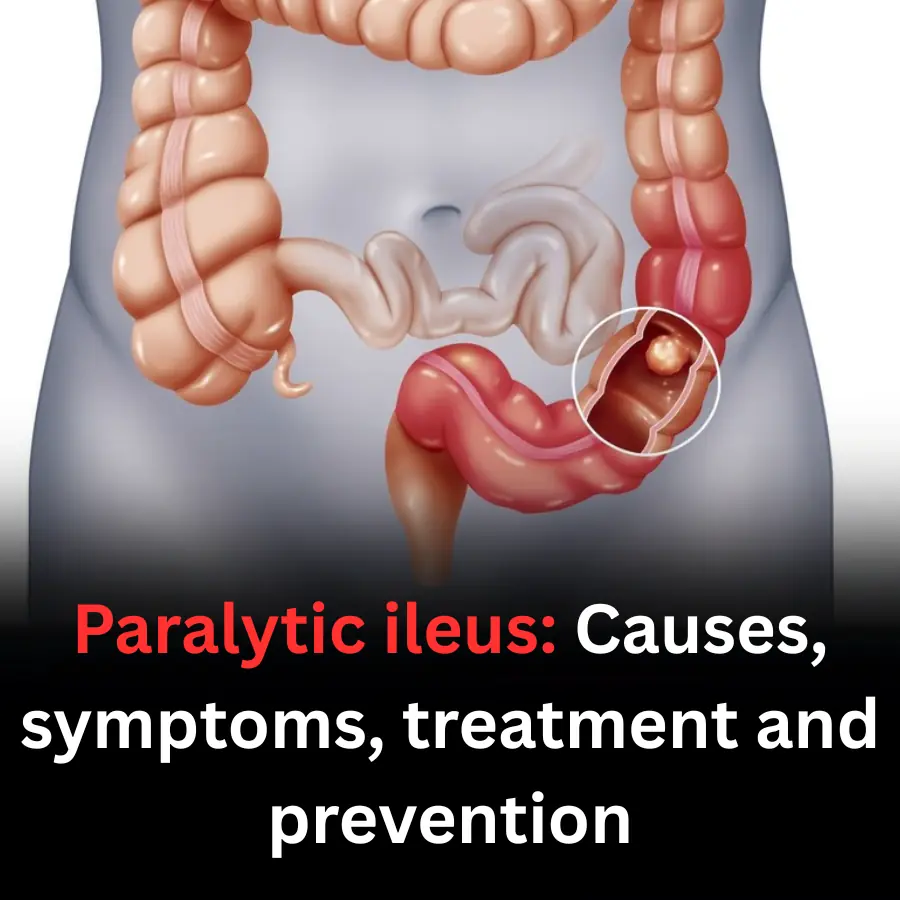
Paralytic Ileus: Causes, Symptoms, Treatment, and Prevention
Paralytic ileus is a condition where the normal function of the intestines is reduced or completely lost, leading to serious digestive disturbances. This condition can occur at any age and can cause very uncomfortable symptoms.
Causes of Paralytic Ileus
Paralytic ileus can result from various factors, including:
-
Trauma or surgery: Abdominal surgery, injuries, or nerve damage can disrupt the normal function of the intestines.
-
Neurological disorders: Conditions affecting the nervous system, such as stroke, Parkinson’s disease, diabetes, or multiple sclerosis, can interrupt the nerve signals sent to the intestines, leading to paralytic ileus.
-
Infections: Severe infections in the body, particularly abdominal infections, can damage the intestines and reduce their function.
-
Medications: Certain medications, especially painkillers, sedatives, or antidepressants, can have side effects that decrease bowel motility.
-
Metabolic disorders: Conditions such as hypothyroidism, chronic kidney disease, or other metabolic disorders can affect the functioning of the intestines.
Symptoms of Paralytic Ileus
The symptoms of paralytic ileus can vary depending on the severity and cause of the condition, but typically include:
-
Abdominal pain: The pain may be persistent or occur in cycles, often accompanied by a feeling of bloating or discomfort.
-
Bloating: The intestines not functioning properly cause the abdomen to become swollen and distended.
-
Severe constipation: Patients may find it difficult or impossible to have a bowel movement for an extended period.
-
Nausea and vomiting: If paralytic ileus causes a bowel obstruction, patients may experience nausea and vomiting.
-
Weight loss: Due to improper digestion, the body cannot absorb enough nutrients from food.
Treatment for Paralytic Ileus
Treatment for paralytic ileus depends on the underlying cause and severity of the condition. Common treatments include:
-
Conservative treatment:
-
Medications: Doctors may prescribe drugs to reduce symptoms, such as pain relievers, bowel stimulants, laxatives, or antibiotics if infection is present.
-
Diet: Patients are advised to consume easily digestible food and increase fiber and fluid intake to improve constipation.
-
-
Surgical treatment: In cases where paralytic ileus is caused by obstruction or severe damage, surgery may be needed to resolve the issue.
-
Physical therapy: Sometimes, doctors may recommend physical exercises or therapy techniques to stimulate bowel movement.
-
Nutritional support: If the patient cannot digest food normally, intravenous nutrition may be provided.
Prevention of Paralytic Ileus
To prevent paralytic ileus, the following measures can be taken:
-
Balanced diet: Eating sufficient fiber from fruits, vegetables, and grains, and drinking enough water can help maintain normal digestive function.
-
Regular physical activity: Engaging in regular physical activity helps improve bowel function and prevent constipation.
-
Managing underlying conditions: Conditions such as diabetes, neurological diseases, or metabolic disorders should be monitored and treated promptly to reduce the risk of paralytic ileus.
-
Minimizing unnecessary medication use: Some medications can have side effects that affect the digestive system, so it’s important to be cautious when using these drugs.
-
Regular check-ups: If you have risk factors, visiting a doctor for regular check-ups can help detect and treat digestive issues early.