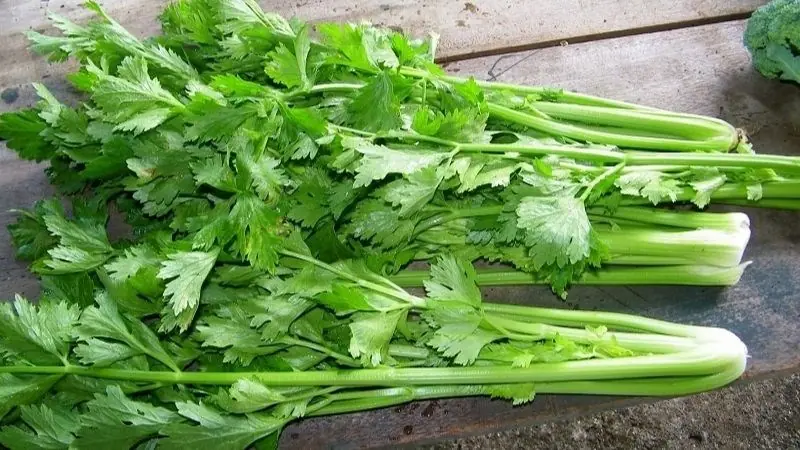
Not Everyone Should Eat Celery: 5 Groups That May Need to Limit It
Celery Isn’t for Everyone: These 5 Groups Should Be Cautious
Health 29/07/2026 17:24
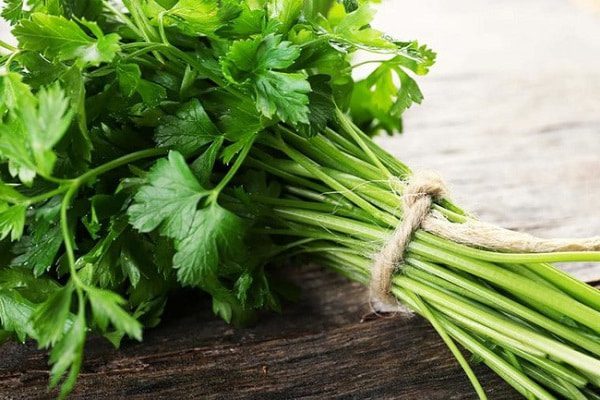
Parsley is one of the world's most recognizable culinary herbs. Often used as a garnish, it has long been valued for its fresh flavor, vibrant green color, and versatility in the kitchen. However, parsley is much more than a decorative finishing touch. Packed with vitamins, minerals, antioxidants, and beneficial plant compounds, this humble herb can make a meaningful contribution to a healthy diet.
For centuries, parsley has been used in traditional cuisines and herbal practices across Europe, the Middle East, and the Mediterranean. Today, nutrition research continues to explore how the nutrients and phytochemicals found in parsley may support overall health. While parsley is not a cure for disease, incorporating it into a balanced eating pattern may offer several health benefits.
Here's what you should know about parsley's nutritional profile, its potential health benefits, and the best ways to enjoy it safely.
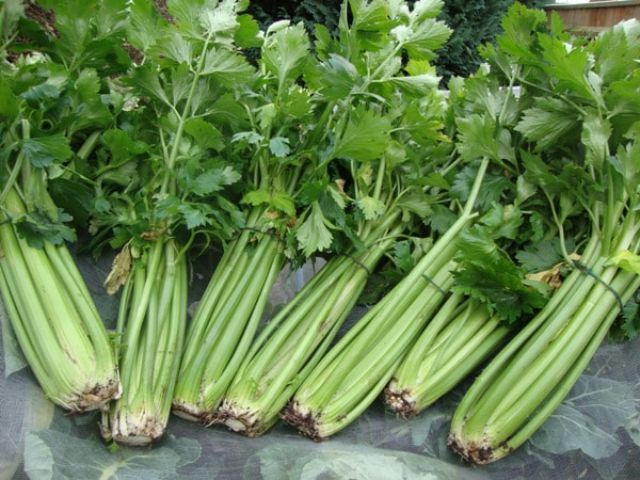
Parsley (Petroselinum crispum) is a flowering plant native to the Mediterranean region and belongs to the Apiaceae family, which also includes:
Carrots
Celery
Dill
Fennel
Coriander (cilantro)
The two most common varieties are:
Curly parsley, known for its decorative leaves and mild flavor.
Flat-leaf (Italian) parsley, which has a stronger taste and is often preferred for cooking.
Both varieties are nutritious and can be used fresh or dried.
Although parsley is usually eaten in small amounts, it is remarkably nutrient-dense.
It contains important nutrients such as:
Vitamin K
Vitamin C
Vitamin A (from beta-carotene)
Folate
Potassium
Calcium
Iron
Magnesium
Parsley also provides dietary fiber and a variety of naturally occurring plant compounds, including:
Flavonoids
Carotenoids
Lutein
Zeaxanthin
Apigenin
Myricetin
These compounds contribute to parsley's antioxidant properties and are being studied for their potential roles in supporting health.
One of parsley's standout nutrients is vitamin K.
Vitamin K plays an essential role in:
Normal blood clotting
Bone metabolism
Supporting bone mineralization
Adequate vitamin K intake has been associated with better bone health and may help reduce the risk of fractures when combined with sufficient calcium, vitamin D, and regular weight-bearing exercise.
People who take blood-thinning medications such as warfarin should not suddenly increase or decrease their intake of vitamin K-rich foods without consulting their healthcare provider, as consistent vitamin K intake is important for medication management.
Parsley contains vitamin C, a nutrient that supports several important functions, including:
Normal immune function
Collagen production
Wound healing
Iron absorption
Protection of cells from oxidative stress
Vitamin C also helps the body absorb non-heme iron from plant foods, making parsley a valuable addition to meals that include beans, lentils, or leafy greens.
Parsley is rich in antioxidants—compounds that help protect cells from damage caused by unstable molecules known as free radicals.
Among the antioxidants found in parsley are:
Flavonoids
Carotenoids
Vitamin C
Vitamin E (in smaller amounts)
Oxidative stress has been linked to aging and various chronic diseases. While eating parsley alone will not prevent illness, consuming a variety of antioxidant-rich foods may contribute to long-term health.
Parsley contains nutrients that contribute to cardiovascular health, including:
Potassium
Folate
Antioxidants
Potassium helps regulate fluid balance and supports healthy blood pressure as part of a balanced diet.
Folate plays a role in normal cell function and helps regulate homocysteine, an amino acid that, at elevated levels, has been associated with an increased risk of cardiovascular disease.
Maintaining heart health also depends on regular exercise, avoiding smoking, managing stress, and eating an overall healthy diet.
Parsley provides carotenoids such as:
Lutein
Zeaxanthin
Beta-carotene
These compounds are known to accumulate in the retina and may help protect the eyes from oxidative stress.
Research suggests that diets rich in lutein and zeaxanthin are associated with better eye health as people age, although parsley should be considered one part of an overall nutrient-rich diet.
Fresh parsley contains a modest amount of dietary fiber, which supports digestive health.
Adding parsley to meals may help increase your overall vegetable intake while contributing small amounts of fiber that support regular bowel movements and a healthy gut microbiome.
Because parsley is typically consumed in small portions, it should complement—not replace—higher-fiber foods such as fruits, vegetables, legumes, and whole grains.
Several nutrients found in parsley—including vitamins A and C—play important roles in supporting the immune system.
Vitamin A helps maintain the integrity of the skin and mucous membranes, which act as barriers against infection.
Vitamin C contributes to the function of immune cells and helps protect them from oxidative damage.
No single food can "boost" immunity overnight, but a varied, nutrient-rich diet supports normal immune function over time.
Healthy skin depends on adequate nutrition, hydration, sun protection, and overall health.
Parsley contributes nutrients involved in skin maintenance, including:
Vitamin C for collagen formation
Beta-carotene, which the body converts to vitamin A
Antioxidants that help protect cells from oxidative stress
While parsley is sometimes promoted as a natural beauty remedy, eating it as part of a balanced diet is likely to provide more meaningful benefits than applying it directly to the skin.
Some laboratory and animal studies have explored compounds in parsley that may influence blood sugar regulation.
However, evidence in humans remains limited.
Parsley should not be considered a treatment for diabetes or a replacement for prescribed medications.
People with diabetes should continue following the treatment plan recommended by their healthcare provider.
Traditional herbal medicine has long used parsley as a natural diuretic.
Some preliminary studies suggest parsley may modestly increase urine production, but more human research is needed.
Individuals with kidney disease, heart disease, or those taking diuretic medications should consult a healthcare professional before consuming large amounts of parsley or parsley supplements.
Both fresh and dried parsley contain valuable nutrients, but there are some differences.
Fresh parsley offers:
Higher vitamin C content
A brighter flavor
More moisture
Dried parsley provides:
Longer shelf life
Convenient storage
Concentrated flavor
Using both in your cooking can help you enjoy parsley year-round.
Parsley is one of the easiest herbs to include in everyday meals.
Here are a few ideas:
Fresh chopped parsley adds color and freshness to leafy green salads, grain bowls, and pasta salads.
A small handful of parsley can be blended with spinach, cucumber, apple, lemon, and ginger for a refreshing green smoothie.
Stir chopped parsley into soups just before serving to preserve its fresh flavor and bright color.
Parsley pairs well with eggs and can be added to omelets, scrambled eggs, or frittatas.
Combine parsley with olive oil, garlic, vinegar, oregano, and chili flakes to create a flavorful sauce for grilled vegetables, fish, or lean meats.
Parsley is the star ingredient in tabbouleh, a traditional Middle Eastern salad made with tomatoes, bulgur, mint, lemon juice, and olive oil.
Mix chopped parsley with plain Greek yogurt, garlic, cucumber, and lemon juice for a refreshing dip or sauce.
Finish roasted potatoes, carrots, mushrooms, or zucchini with fresh parsley for added flavor and color.
Parsley tea is another popular way to enjoy this herb.
Some people drink it as part of traditional wellness practices.
While parsley tea contains small amounts of beneficial plant compounds, there is limited scientific evidence supporting many of the health claims made about it.
Moderate consumption is generally considered acceptable for most healthy adults, but parsley tea should not replace medical treatment or a balanced diet.
Although parsley is safe for most people when consumed as a food, certain individuals should exercise caution.
Because parsley is rich in vitamin K, sudden changes in intake may interfere with medications such as warfarin.
Normal culinary amounts of parsley are generally considered safe.
However, large amounts of parsley supplements or highly concentrated parsley extracts are not recommended during pregnancy because of concerns about their potential effects.
Pregnant individuals should discuss herbal supplements with their healthcare provider.
Parsley contains oxalates, which may contribute to kidney stone formation in susceptible individuals.
Those with kidney disease or a history of certain kidney stones should seek personalized dietary advice.
Although uncommon, some individuals may be allergic to parsley or other plants in the Apiaceae family.
Symptoms such as itching, swelling, or difficulty breathing require immediate medical attention.
Your liver and kidneys naturally remove waste products from the body.
There is no convincing evidence that parsley "detoxifies" the body in the way many online claims suggest.
Parsley is nutritious, but it is not a cure for cancer, diabetes, kidney disease, or any other serious medical condition.
A balanced diet and appropriate medical care remain essential.
While parsley is nutrient-rich, it is usually eaten in small amounts.
It should complement—not replace—a wide variety of vegetables in your diet.
Whole foods provide a complex combination of nutrients and plant compounds.
Supplements may contain much higher concentrations and are not always necessary or appropriate.
Consult a healthcare professional before using herbal supplements.
Eating excessive amounts of any single food is unlikely to provide additional health benefits.
Variety remains one of the key principles of healthy eating.
Here's one way to include parsley throughout the day:
Breakfast
Vegetable omelet with chopped parsley and tomatoes.
Lunch
Tabbouleh served with grilled chicken and hummus.
Snack
Greek yogurt dip with parsley and sliced vegetables.
Dinner
Baked salmon with roasted vegetables, brown rice, and chimichurri made with fresh parsley.
This eating pattern combines parsley with other nutrient-dense foods to create balanced, flavorful meals.
Parsley is far more than a decorative garnish. It is a nutrient-dense herb that provides vitamin K, vitamin C, vitamin A, folate, potassium, and a variety of beneficial plant compounds.
Research suggests that incorporating parsley into a balanced diet may support bone health, heart health, immune function, healthy vision, digestion, and overall well-being. However, it is important to remember that parsley is not a miracle food and should be enjoyed as part of an overall healthy lifestyle rather than relied upon as a treatment for disease.
By using parsley regularly in salads, soups, sauces, grain dishes, smoothies, and other recipes, you can add fresh flavor while increasing your intake of valuable nutrients.
Small dietary changes often add up over time, and adding more herbs like parsley to your meals is one simple way to increase both flavor and nutrition. Whether you choose curly or flat-leaf parsley, fresh or dried, this versatile herb can help make healthy eating more enjoyable without adding significant calories or sodium.
For the greatest health benefits, pair parsley with a colorful variety of fruits, vegetables, whole grains, legumes, lean proteins, and healthy fats. Combined with regular physical activity, adequate sleep, stress management, and routine medical care, these everyday habits provide a strong foundation for long-term health.
Celery Isn’t for Everyone: These 5 Groups Should Be Cautious
Eat for Better Immunity: 20 Nutrient-Packed Foods to Add to Your Meals

5 Common Morning Mistakes That Could Work Against Your Heart Health
Eating Onions Regularly? These People May Need to Watch Their Intake

The Surprising Reason Some People Keep Garlic Beside Their Bed at Night

10 Possible Lung Can.cer Warning Signs and When to See a Doctor

Simple Dietary Tips That May Help Reduce Mild Fluid Retention

Struggling to Relax at Night? Try These 5 Simple Bedtime Drinks

Bumps on Your Neck? Don’t Panic, but Know When to Pay Attention.
Want Better Digestion? These 6 Foods May Be a Great Way to Start Your Day

Chicken Feet Contain Plenty of Collagen—Here's What That Could Mean for Your Diet.
Walnuts Are Packed With Nutrients—but Here's What They May Actually Do to Your Body.

Love Eggs for Breakfast? Here's What Regularly Eating Them May Do to Your Body.

Prominent Veins: When They're Normal and When You Should Get Them Checked.

Have You Ever Noticed These Small Dents on Your Lower Back? Here's What They Are.

Avocados Are Packed With Nutrients—But Here's What They May Do to Your Body.

A ring-shaped rash is often harmless, but some cases require prompt evaluation.

The Science of Hydration: Why Your Body Needs Water Every Day

If These Symptoms Last Only Minutes, They Still Matter
Celery Isn’t for Everyone: These 5 Groups Should Be Cautious
Eat for Better Immunity: 20 Nutrient-Packed Foods to Add to Your Meals

5 Common Morning Mistakes That Could Work Against Your Heart Health
Eating Onions Regularly? These People May Need to Watch Their Intake

The Husband Who Read Their Love Story Every Day
The Surprising Reason Some People Keep Garlic Beside Their Bed at Night
10 Possible Lung Can.cer Warning Signs and When to See a Doctor
Simple Dietary Tips That May Help Reduce Mild Fluid Retention
Struggling to Relax at Night? Try These 5 Simple Bedtime Drinks

The Two Girls and the Old Photograph
Bumps on Your Neck? Don’t Panic, but Know When to Pay Attention.
Want Better Digestion? These 6 Foods May Be a Great Way to Start Your Day
Chicken Feet Contain Plenty of Collagen—Here's What That Could Mean for Your Diet.
Walnuts Are Packed With Nutrients—but Here's What They May Actually Do to Your Body.
Love Eggs for Breakfast? Here's What Regularly Eating Them May Do to Your Body.

More Than Just a Sleeping Student
Prominent Veins: When They're Normal and When You Should Get Them Checked.
Have You Ever Noticed These Small Dents on Your Lower Back? Here's What They Are.