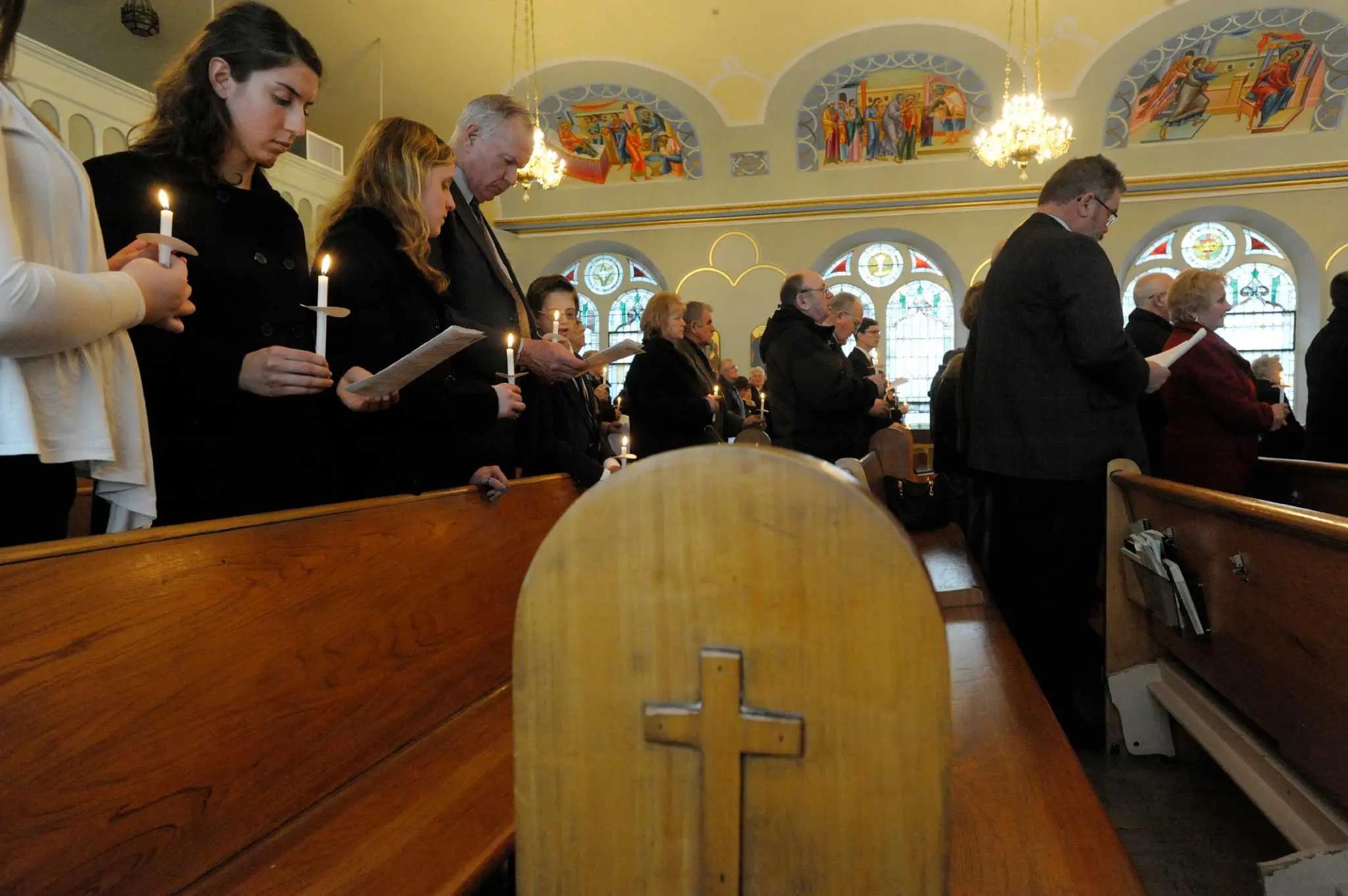
A church is more than a building or an organization. For many people, it is a place where they share important moments of life. Members may have known one another for years. They may have raised children together, supported one another through illness and loss, and celebrated weddings, baptisms and anniversaries.
A pastor can become an important part of that shared history.
When such a person dies unexpectedly, the congregation may feel that it has lost more than a leader. It may feel that a familiar source of stability has disappeared.
That emotional connection can make the circumstances of a death especially difficult to discuss. Some members may want to remember Bennett only through his sermons and community service. Others may believe that understanding the circumstances is necessary before they can begin to process the loss.
The church leadership needed to make room for both reactions.
One of its first responsibilities was to communicate carefully. Members needed to know that the death had been acknowledged and that the church understood their concerns. They also needed a clear reminder that unverified claims should not be repeated as facts.
A useful message would not attempt to explain what had not been established. It would express sympathy, ask for respect toward the family and encourage members to wait for reliable information.
This approach can be difficult when social media is moving faster than official communication. People may interpret silence as secrecy, even when leaders are simply trying to avoid making inaccurate statements.
That is why communication matters.
The church could explain that it would share confirmed information when appropriate, while respecting the privacy of the family and any ongoing inquiry. It could also direct members away from online speculation and toward practical ways of supporting those affected.
The congregation's response would be judged not only by what its leaders said, but by how they treated people during the crisis.
If members who asked questions were immediately condemned, distrust could grow. If rumors were allowed to spread without challenge, the pastor's family could face unnecessary harm. If leaders tried to defend the institution at the expense of compassion, the community might feel that its grief had been ignored.
A balanced response required patience and honesty.
The church also had to consider its younger members. Children and teenagers may encounter fragments of the story through adults, social media or conversations at school. They may hear alarming claims without understanding the difference between a rumor and a confirmed fact.
Parents and church leaders could help by using simple, age-appropriate language. They could explain that a person had died unexpectedly, that people were trying to understand what happened and that it was not fair to repeat stories that had not been verified.
They did not need to share every detail.
For adults, the church could provide an opportunity to talk openly about grief, confusion and disappointment. A special gathering could allow members to share memories without turning the meeting into a discussion of unverified allegations.
Some people might remember Bennett as the person who visited them during a difficult period. Others might recall a sermon that helped them make an important decision. Some might have had disagreements with him. A respectful memorial could allow these experiences to coexist without forcing everyone to tell the same story.
This is important because grief is not always simple. People can mourn someone while still having questions. They can remember a person's positive contributions while waiting for more information about the circumstances of their death.
The church did not need to declare that every question was inappropriate. It needed to make clear that questions should be handled responsibly.
There was also an institutional lesson. Religious organizations, like other community institutions, need procedures for unexpected crises. They need to know who is authorized to communicate with members, how family privacy will be protected and how inaccurate claims will be addressed.
Those procedures cannot eliminate grief or prevent every rumor. They can, however, reduce confusion and help prevent a difficult event from becoming even more damaging.
For Bennett's fictional congregation, the crisis became a test of its values.
It was easy to speak about compassion during a normal service. It was harder to practice compassion when members were frightened, angry and unsure what to believe.
The church's response would show whether its commitment to care extended beyond the pulpit and into the uncomfortable moments when answers were incomplete.
CHAPTER 5: THE QUESTIONS THAT REMAINED—and THE LESSONS THE COMMUNITY COULD TAKE FORWARD
As the fictional story reached its final stage, the congregation still had questions.
What exactly happened during Bennett's final hours? Why was he at the motel? What information could authorities establish? Would the inquiry provide a clearer account of the circumstances?
The supplied narrative does not answer those questions with confirmed findings. It does not identify a cause of death, establish the involvement of another person or verify the rumors about a secret relationship or personal scandal.
That absence of a definitive explanation is central to the story.
It would be tempting to provide a dramatic ending in which every rumor is confirmed or disproved and every unanswered question receives a clear answer. But doing so would require inventing evidence that the supplied account does not contain.
A responsible conclusion must recognize the limits of what is known within the fictional scenario.
The community's experience nevertheless offers several important lessons.