When this happens, saliva accumulates in the mouth and escapes during sleep.
Symptoms to watch for:
-
Sore throat
-
Swollen tonsils
-
Fever
-
Painful swallowing
Frequent tonsillitis can also obstruct the airway, contributing to mouth breathing.
6. Medication Side Effects
Some medications interfere with muscle control or increase saliva production.
The most common include:
-
Antipsychotics
-
Sedatives
-
Drugs for Alzheimer’s
-
Certain antidepressants
If drooling began after starting a new medication, talk to your doctor about adjusting the dose or switching prescriptions.
When Should You Be Concerned?
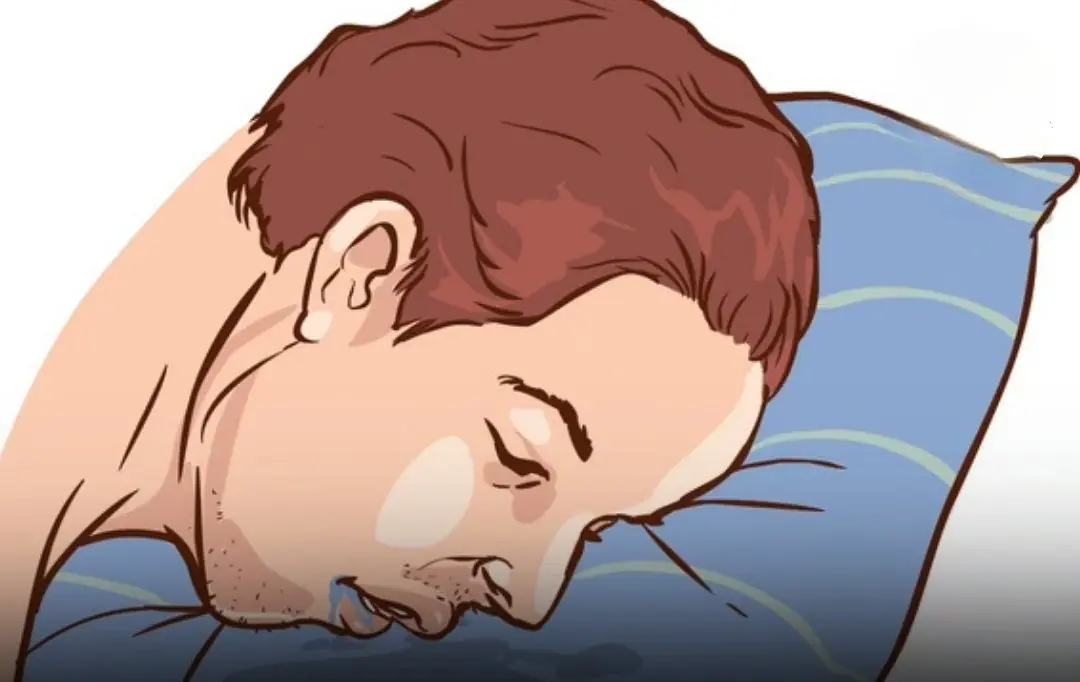
Occasional drooling is normal, especially if you sleep deeply or nap in awkward positions.
But if it happens frequently, or is accompanied by snoring, choking, fatigue, or facial weakness, it may indicate a serious underlying condition.
Doctors recommend observing the pattern for a week.
If nothing changes, a medical checkup is strongly advised.