
Peanuts Aren’t as Simple as They Seem — Here’s What Doctors Want You to Know
What Happens If You Eat Peanuts Every Day ….Doctors Weigh In
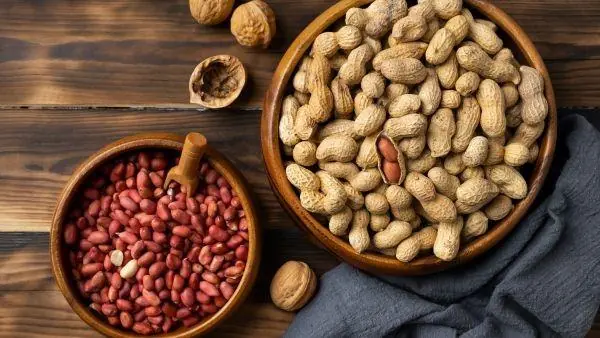
Peanuts are one of the world’s favorite snacks — crunchy, satisfying, affordable, and easy to grab on the go. But beyond their flavor, peanuts pack an impressive nutritional punch.
Doctors and nutritionists often praise them for their health benefits. At the same time, they caution that eating peanuts every single day can have both positive and negative effects.
So what really happens when peanuts become a daily habit? Let’s break it down.
First, A Look at Their Nutritional Power
Fun fact: Peanuts aren’t technically nuts — they’re legumes. But nutritionally, they’re very similar to almonds and walnuts.
In a 100-gram serving, peanuts provide roughly:
- 25 grams of protein – Supports muscle repair and growth
- Healthy fats – Mostly monounsaturated and polyunsaturated fats
- Fiber – Helps digestion and blood sugar control
- Vitamin E – Supports immune and skin health
- Magnesium – Important for muscle and nerve function
- Folate and niacin – Key for brain and cellular health
With that kind of profile, it’s easy to see why they’re considered nutrient-dense. But daily consumption comes with specific considerations.
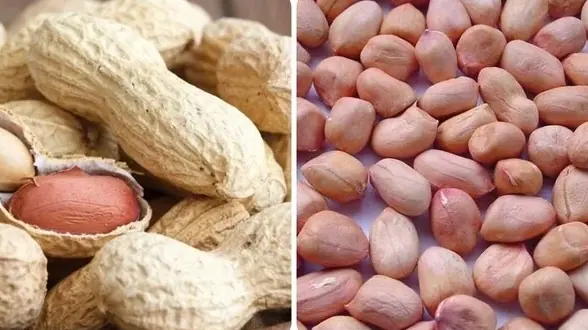
The Potential Benefits of Eating Peanuts Daily
1. Heart Health Support
Peanuts contain heart-friendly fats similar to those found in olive oil. Regular, moderate intake may:
- Lower LDL (“bad”) cholesterol
- Raise HDL (“good”) cholesterol
- Reduce overall cardiovascular risk
This makes peanuts a smart addition to a heart-conscious diet — when eaten in appropriate portions.
2. Better Appetite Control
Peanuts are calorie-dense — but they’re also filling.
Thanks to their combination of protein, fiber, and healthy fats, they increase satiety. This means you may feel full longer, which can help reduce unnecessary snacking.
For some people, this supports weight management rather than weight gain.
3. Blood Sugar Stability
Peanuts have a low glycemic index, meaning they don’t cause rapid spikes in blood sugar.
Eating them regularly (in moderation) may:
- Improve blood sugar control
- Reduce spikes after meals
- Support individuals with type 2 diabetes or insulin resistance
Pairing peanuts with carbohydrate-rich foods can also help slow glucose absorption.
4. Brain Health Support
Peanuts contain niacin and folate — nutrients linked to cognitive function.
Some research suggests regular nut consumption may help reduce age-related cognitive decline. While peanuts alone aren’t a magic solution, they can be part of a brain-supportive eating pattern.
The Possible Downsides of Daily Peanut Consumption
While peanuts offer real benefits, doctors stress moderation. Here’s why.
1. Weight Gain (If Portions Are Ignored)
Peanuts are energy-dense. Just one handful is healthy — but multiple handfuls daily can significantly increase calorie intake.
If not balanced with overall diet and activity levels, this may lead to gradual weight gain.
2. Allergic Reactions
Peanut allergy is one of the most serious food allergies.
For those affected, even trace amounts can trigger severe — sometimes life-threatening — reactions. Daily exposure is unsafe for allergic individuals.
If there’s any uncertainty about allergy risk, medical guidance is essential.
3. Digestive Discomfort
Peanuts contain phytic acid, a compound that can slightly reduce mineral absorption when consumed in very large amounts.
Some people may also experience:
- Bloating
- Gas
- Digestive heaviness
Especially if they suddenly increase intake.
4. Aflatoxin Concerns
Improperly stored peanuts can develop aflatoxins — toxins produced by certain molds.
Long-term exposure has been linked to liver damage and increased cancer risk. However, food safety regulations in many countries significantly reduce this risk.
Proper storage is key.
So… How Much Is Safe?
Most health professionals suggest:
About one small handful (28–30 grams) per day
This amount provides benefits without dramatically increasing calorie intake or risk of side effects.
The form matters too.
Tips for Healthier Peanut Habits
- Choose unsalted peanuts to avoid excess sodium
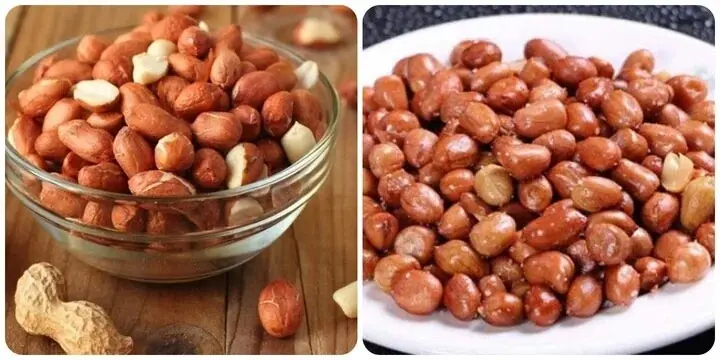
- Opt for dry-roasted or boiled instead of fried
- Store in a cool, dry place to prevent mold growth
- Rotate with other nuts and seeds for nutrient variety
- Watch portion sizes
Balance is everything.
The Bottom Line
Eating peanuts every day can offer meaningful health benefits — including support for heart health, blood sugar regulation, and satiety.
However, overconsumption may contribute to weight gain, digestive discomfort, or other concerns.
Like many nutritious foods, peanuts are healthiest when enjoyed in moderation as part of a varied diet.
A small handful a day? Smart choice.
An entire bag? Probably not.
Disclaimer: This article is for informational purposes only and does not replace professional medical advice. Always consult a qualified healthcare provider for personalized dietary guidance.
News in the same category


Cheesy Ham & Sweet Corn Toast Bake

Doctors Say You Should Know These 13 Facts About Sweet Potatoes Before Eating Them
Most People Don't Know These 13 Facts About Sweet Potatoes

If You Eat Avocado, Here’s What Doctors Want You to Know
You May Be Surprised by What Avocado Does to Your Body 👇👇

Most People Eat Walnuts for the Taste—But Doctors Say There's More to the Story
😲 Eating Walnuts Daily? Doctors Reveal 7 Things That May Happen to Your Body 👇👇👇

What Health Experts Really Think About Avocados Might Surprise You
🥑 Health Experts Explain the Real Benefits (and Limits) of Avocados

Health Experts Say a Cup of Ginger Tea at Night May Offer These 8 Benefits
Your Body Will Thank You for Drinking Ginger Tea Before Bed — Here’s Why 🫚🍵

Doctors Warn: People With These 5 Health Issues May Need to Limit Ginger Consumption
👇 Ginger Has Many Benefits—But It Could Cause Problems for People With These 5 Health Conditions

A Cup of Ginger Tea Before Sleep? Here Are 8 Reasons Your Body Loves It
💤 Drink Ginger Tea Before Bed Tonight—Your Body May Thank You in These 8 Ways

Love Beets? Here's What Experts Say May Happen to Your Body Over Time
👀 Eating Beets Regularly? Some of the Effects May Surprise You 👇

Start Your Day With Sweet Potatoes? Here's How Your Body May Respond in the Long Run
💪 Better Digestion, More Energy? Here's What Regular Sweet Potato Eaters Often Experience 👇

Doctors Reveal What Really Happens to Your Body When You Eat Walnuts Every Day… The Results May Surprise You
🥜 One Handful of Walnuts a Day Could Affect Your Health in Unexpected Ways, Doctors Say 👀👇

You Might Want to Think Twice Before Eating Cabbage If You Have These Conditions
Who Should Avoid Cabbage? Experts Highlight Several Important Exceptions

12 Little-Known Secrets of Coconut Water That Health Experts Appreciate
Coconut Water Is More Powerful Than You Think—Here Are 12 Reasons Why

Most People Overlook Chicken Gizzards, But Here's Why You Might Want to Reconsider
🍗 The Hidden Benefits of Chicken Gizzards That Few People Talk About 👀👇

Onions May Offer More Health Benefits Than You Think — According to Experts
🧅 Eating Onions Every Day? Here's What Doctors Say Could Happen to Your Body...

Spotted a Rainbow Shine on Your Ham? Here's What It Could Mean…
Your Ham Looks Like It's Reflecting a Rainbow—Here's Whether That's Normal.

Eating Macadamia Nuts Regularly? Here's What Experts Want You to Know
🥜 The Truth About Macadamia Nuts and Their Impact on Your Body

The Truth About Peanuts: How Regular Consumption May Affect Your Body
😱 Most People Eat Peanuts Without Knowing These Potential Effects

You've Been Eating Dates for Years—But What About the Seeds?
Why Some People Are Saving Date Seeds Instead of Throwing Them Away 👇
News Post

Are Your Kidneys Trying to Tell You Something? Here Are 10 Possible Signs
10 Common Symptoms That Could Point to Kidney Problems—See If You Recognize Any

These Hidden Cracks Inside Your Watermelon Could Be Telling You Something Important
Millions Eat Watermelon Every Summer, But Few Know What These Cracks Really Mean 🍉😨

5 Foods That Are Prone to Carrying Parasites: Simply Dipping Them in Boiling Water Isn't Enough
Don't Let Hidden Parasites Reach Your Plate: Avoid These Common Mistakes

The Secret Car Mirror Button Almost No One Knows About – A Simple Trick That Makes Night Driving Much Safer
Driving at Night? This One Mirror Trick Can Save Your Eyes

Why Your Heel Hurts in the Morning: Understanding the Hidden Causes of Heel Pain
Your Heel Isn't Just Sore—It May Be Asking for Help

Gastroenterologist Says: Eating Too Much of These 4 Types of Meat Can Damage Your Sto.mach Even More Than Alco.hol
You May Be Damaging Your Stomach Without Realizing It

Garlic Butter Shrimp & Broccoli Skillet

A 26-Year-Old Woman Di.es of Lung Can.cer, Leaves Behind a Warning About 4 Signs That Should Never Be Ignored
These 4 Lung Cancer Warning Signs Should Never Be Ignored

What to Know About the Finger Sign Sometimes Associated With Lung Conditions?

A Simple Finger Check May Sometimes Reveal Signs Associated With Lung Health Problems

The human body sometimes shows subtle physical changes that may provide clues about underlying health conditions

One lesser-known example involves certain changes in the: Fingers

5 Warning Signs That May Indicate Can.cer Is Developing

Some cancer symptoms can appear quietly months before diagnosis

Cancer often develops quietly, and in many cases, the earliest symptoms can easily be mistaken for common health problems or everyday fatigue

Medical experts say that while these warning signs do not automatically mean someone has cancer

Many people discover these strange white formations unexpectedly while brushing their teeth

Have you ever looked in the mirror and noticed small white lumps or bumps hiding in the back of your throat?

White Bumps on Your Tonsils: What They Mean and When You Should Be Concerned
