Depending on the individual, peanuts may contribute to bloating, gas, abdominal discomfort, or indigestion—particularly when eaten in large amounts.
People who notice consistent symptoms after eating peanuts should consider discussing them with a healthcare professional rather than assuming peanuts are automatically the cause.
4. People Who Need to Watch Their Calorie Intake
Peanuts can be nutritious, but they are also relatively energy-dense.
That means a small handful contains a significant amount of calories. Eating large portions frequently can make it easier to consume more calories than intended.
This does not mean people trying to manage their weight must avoid peanuts. Instead, portion size matters.
Choosing a small serving of unsalted or minimally processed peanuts can be a more practical approach than eating large amounts throughout the day.
5. People Who Need to Limit Sodium
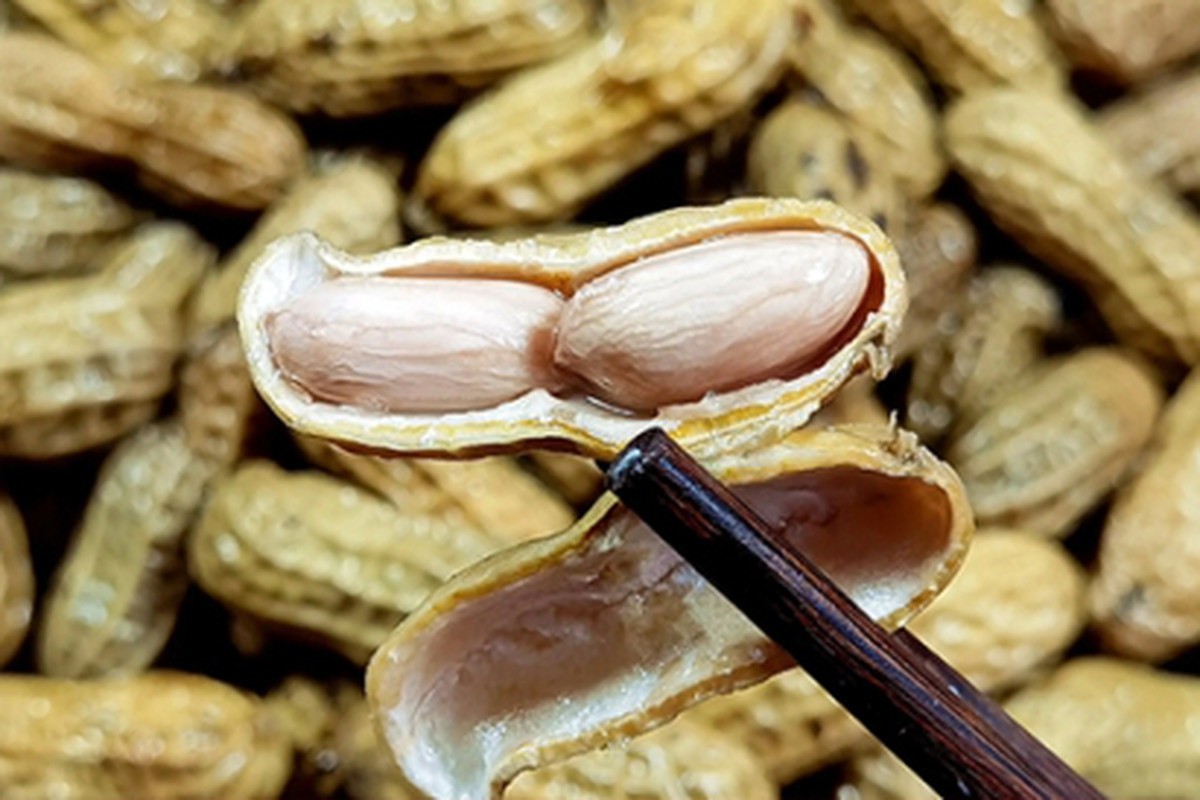
Plain peanuts naturally contain little sodium, but many roasted and packaged peanut products can contain added salt.
If you have been advised to follow a low-sodium diet, check the nutrition label and choose unsalted or lightly salted varieties when appropriate.
Peanut butter can also vary considerably in its ingredients, so checking the label is useful.
6. People With Certain Kidney or Other Medical Conditions
Peanuts contain several nutrients, including phosphorus and potassium. For most healthy people, these nutrients are not a reason to avoid peanuts.
However, people with certain medical conditions—particularly those who have been instructed to restrict potassium, phosphorus, protein, or other nutrients—may need individualized dietary advice.