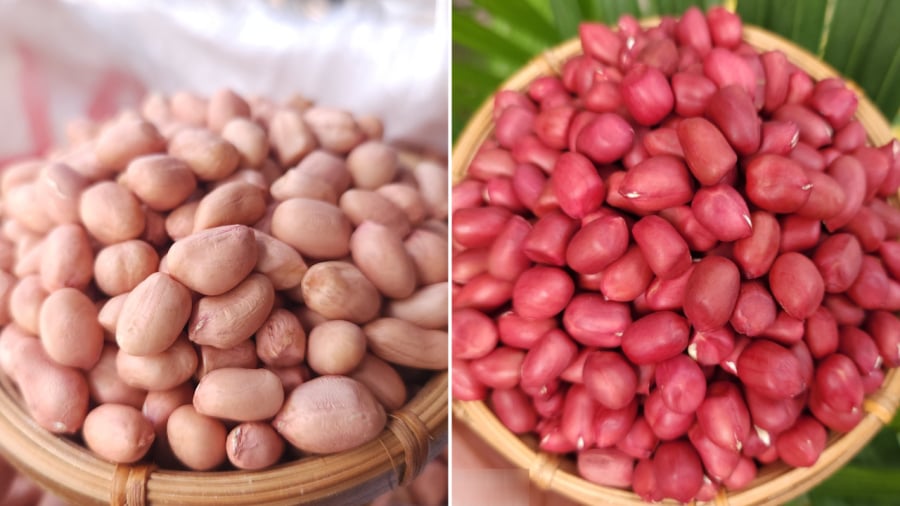
Peanuts are one of the world's most popular and affordable plant-based foods. Whether enjoyed roasted, boiled, blended into peanut butter, or sprinkled over salads and stir-fries, they are packed with nutrients that can fit into a healthy eating pattern.
Despite their popularity, peanuts are often surrounded by conflicting claims. Some people believe eating peanuts every day is one of the best things you can do for your health, while others worry about their calorie content, fat content, or the possibility of liver damage. Social media has even promoted peanuts as a "superfood" capable of preventing disease.
The truth lies somewhere in between. For most healthy people without a peanut allergy, eating moderate amounts of peanuts every day can be part of a balanced diet. Like any food, however, the benefits depend on portion size, preparation, and your overall eating habits.
Here's what current research tells us about eating peanuts daily.

Why Peanuts Are So Nutritious
Although commonly grouped with tree nuts in the kitchen, peanuts are technically legumes, meaning they belong to the same plant family as beans, lentils, and peas.
Peanuts provide an impressive combination of nutrients, including:
-
Plant-based protein
-
Healthy unsaturated fats
-
Dietary fiber
-
Vitamin E
-
Niacin (vitamin B3)
-
Folate
-
Magnesium
-
Phosphorus
-
Potassium
-
Copper
-
Manganese
They also contain naturally occurring plant compounds such as polyphenols and phytosterols.
1. They Provide High-Quality Plant Protein
Protein is essential for:
-
Building and repairing tissues
-
Maintaining muscle mass
-
Producing enzymes and hormones
-
Supporting immune function
A serving of peanuts contributes a meaningful amount of plant protein, making them a convenient option for people who want to increase protein intake, especially those following vegetarian or plant-forward diets.
However, peanuts should be part of a varied diet that includes other protein sources to ensure a wide range of nutrients.
2. They Contain Heart-Healthy Fats
One of the reasons peanuts are considered nutritious is that most of their fat comes from unsaturated fats, including monounsaturated and polyunsaturated fats.
Replacing foods rich in saturated fats with foods containing unsaturated fats may support heart health as part of an overall balanced dietary pattern.
Peanuts also contain phytosterols, naturally occurring compounds that may contribute to healthy cholesterol levels when consumed as part of a nutritious diet.
3. They May Help You Feel Fuller
Peanuts contain a combination of:
-
Protein
-
Fiber
-
Healthy fats
This combination slows digestion and promotes a feeling of fullness, which may help reduce unnecessary snacking between meals for some people.
Feeling satisfied after meals can make it easier to maintain healthy eating habits over time.
4. They Support a Nutrient-Rich Diet
Peanuts contribute several vitamins and minerals that many people do not consume in sufficient amounts.
These include:
Magnesium
Supports:
-
Muscle function
-
Nerve function
-
Bone health
-
Energy production
Vitamin E
Acts as an antioxidant that helps protect cells from oxidative stress.
Niacin
Supports normal nervous system function and energy metabolism.
Folate
Important for cell growth and DNA synthesis, particularly during pregnancy.
5. They May Support Heart Health
Large observational studies have found that people who regularly consume nuts and peanuts as part of a healthy dietary pattern often have a lower risk of cardiovascular disease.
Researchers believe this may be related to the combined effects of:
-
Healthy fats
-
Fiber
-
Plant protein
-
Magnesium
-
Antioxidants
It is important to note that these studies show associations and do not prove that peanuts alone prevent heart disease.
6. They Can Be an Affordable Source of Nutrition
Compared with many other protein-rich foods, peanuts are relatively inexpensive.
This makes them an accessible option for families seeking nutritious foods on a budget.
Simple foods such as peanuts, beans, oats, fruits, and vegetables often provide excellent nutritional value at a reasonable cost.
7. They Fit Well Into Many Healthy Eating Patterns
Peanuts can be enjoyed in many ways, including:
-
Roasted
-
Boiled
-
Unsalted
-
Mixed into oatmeal
-
Added to salads
-
Stirred into yogurt
-
Blended into natural peanut butter
-
Included in stir-fries
Choosing minimally processed varieties without excessive salt, sugar, or added oils is generally the healthiest option.
How Much Is a Reasonable Serving?
Although peanuts are nutritious, they are also energy-dense.
A typical serving is about:
-
28 grams (1 ounce), or
-
A small handful
This provides substantial nutrients without contributing excessive calories for most people.
Eating very large amounts every day may make it more difficult to maintain energy balance, depending on your overall diet and activity level.
Are Peanut Butters Healthy?
Natural peanut butter made from 100% peanuts (or peanuts with a small amount of salt) can be a nutritious choice.
When shopping, check the ingredient list.
Choose products with:
-
Peanuts as the primary ingredient
-
Little or no added sugar
-
No hydrogenated oils
Some commercial peanut butters contain added sugars, palm oil, or excessive sodium, which may reduce their overall nutritional quality.
Important Considerations
While peanuts are nutritious for many people, there are situations where caution is needed.
Peanut Allergy
Peanut allergy is one of the most common food allergies worldwide.
Symptoms can include:
-
Hives
-
Swelling
-
Wheezing
-
Difficulty breathing
-
Anaphylaxis
People with peanut allergies should avoid peanuts completely and carry emergency medication if prescribed.
Portion Control
Because peanuts are calorie-dense, portion size matters.
Moderation allows you to enjoy their nutritional benefits without consuming excessive calories.
Sodium Content
Salted peanuts may contain large amounts of sodium.
If possible, choose:
-
Unsalted
-
Lightly salted
-
Dry-roasted
especially if you are managing high blood pressure.
Aflatoxin
Peanuts can occasionally become contaminated with aflatoxins, substances produced by certain molds under warm, humid storage conditions.
In many countries, food safety regulations require routine monitoring to reduce this risk.
Consumers can help minimize exposure by:
-
Buying peanuts from reputable manufacturers.
-
Avoiding peanuts that smell moldy or rancid.
-
Storing peanuts in cool, dry conditions.
Common Myths About Peanuts
Myth: Peanuts always cause weight gain.
Fact: Moderate peanut consumption can fit into a healthy diet and does not necessarily lead to weight gain when replacing less nutritious snacks.
Myth: Peanuts are unhealthy because they contain fat.
Fact: Most of the fat in peanuts is unsaturated fat, which is generally considered beneficial as part of a balanced diet.
Myth: Eating peanuts every day damages the liver.
Fact: There is no evidence that moderate peanut consumption harms the liver in healthy individuals. The primary concern is avoiding mold-contaminated peanuts that may contain aflatoxins.
Myth: Peanut butter is always unhealthy.
Fact: Natural peanut butter with minimal ingredients can be a nutritious option.
Myth: More peanuts are always better.
Fact: Like all foods, peanuts are best enjoyed in appropriate portions as part of a varied diet.
Tips for Including Peanuts in Your Diet
Here are a few simple ideas:
-
Sprinkle chopped peanuts over salads.
-
Add peanut butter to whole-grain toast.
-
Mix peanuts into homemade trail mix with seeds and dried fruit.
-
Stir peanut butter into oatmeal.
-
Blend peanuts into smoothies for added protein.
-
Use crushed peanuts as a topping for vegetable dishes or stir-fries.
-
Enjoy a small handful as a satisfying afternoon snack.
These options can add both flavor and nutrition to everyday meals.
When Should You Talk to a Healthcare Professional?
Consult your healthcare provider or a registered dietitian if you:
-
Have a known peanut allergy.
-
Experience symptoms after eating peanuts.
-
Have questions about food allergies.
-
Need individualized nutrition advice because of kidney disease or other chronic medical conditions.
-
Are unsure how peanuts fit into your overall eating plan.

The Bottom Line
Peanuts are a nutrient-dense food that provides plant-based protein, healthy unsaturated fats, fiber, vitamins, minerals, and antioxidant compounds. For most people without a peanut allergy, eating a moderate serving of peanuts each day can be part of a healthy dietary pattern and may support heart health, promote fullness, and improve overall diet quality.
At the same time, moderation remains important. Peanuts are calorie-dense, salted varieties may contribute excess sodium, and proper storage is essential to reduce the risk of aflatoxin contamination. Rather than relying on peanuts as a "superfood," think of them as one nutritious component of a balanced diet rich in fruits, vegetables, whole grains, legumes, lean proteins, and other nuts and seeds. Combined with regular physical activity, adequate sleep, and healthy lifestyle habits, these everyday choices offer the greatest support for long-term health.