Peeing in the shower may seem like a harmless habit. Some people even argue that it helps save water by combining two daily routines into one. But according to pelvic health specialist Dr. Alicia Jeffrey-Thomas, there may be some health concerns worth considering—particularly for people with female anatomy.
So, is peeing in the shower really a problem? The answer is a little more complicated than it might seem.
In this article, we’ll look at both sides of the debate, from potential water savings to the possible effects on your bladder and pelvic floor. By the end, you’ll have a clearer picture of the habit and what it could mean for your health.
The Case for Saving Water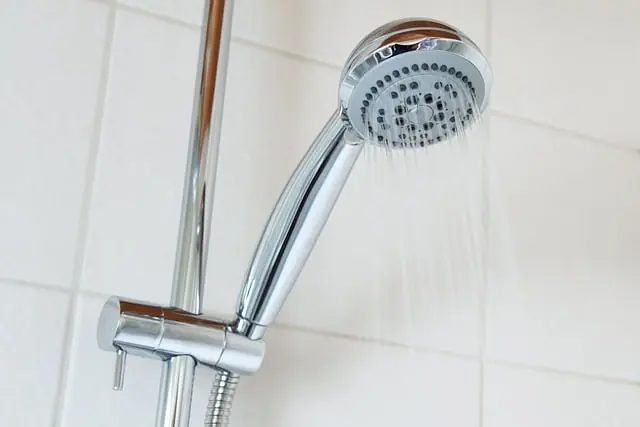
Image by PublicDomainPictures from Pixabay
One of the biggest arguments in favor of peeing in the shower is water conservation.
If you replace one toilet flush each day by urinating while taking a shower, the amount of water saved can add up over time. Estimates suggest that this habit could save around 2,190 liters (579 gallons) of toilet water per person each year.
Now imagine that on a much larger scale. If everyone in the United States adopted the habit, the potential annual water savings could reach approximately 699 billion liters (185 billion gallons).
From an environmental perspective, those numbers certainly sound impressive.
But saving water is only one part of the story.
What About Your Pelvic Floor?
Despite the potential environmental benefits, there are also health considerations to keep in mind.
Dr. Alicia Jeffrey-Thomas, a pelvic health specialist, has discussed the issue in a TikTok video, explaining how regularly urinating in the shower could affect the pelvic floor and bladder over time.
The Pavlovian Association
To explain one of the concerns, Dr. Jeffrey-Thomas draws a comparison to the famous Pavlov’s dog experiment.
In the experiment, dogs eventually learned to associate the sound of a bell with food. After the association was established, simply hearing the bell could trigger a physical response—even when food was not present.
Something similar can happen with the sound of running water.
As Dr. Jeffrey-Thomas explains:
“If you pee in the shower or turn on the faucet, or turn on the shower and then sit on the toilet while the water’s running, you are creating an association in your brain between the sound of running water and having to pee.”
In other words, repeatedly urinating while hearing running water could potentially teach your brain to associate that sound with the urge to urinate.
What Could Happen?
For some people, particularly those who already have pelvic floor dysfunction, this association could become problematic.
Over time, the sound of running water might trigger an unexpected urge to urinate. That could happen when you turn on a faucet, hear a shower running, or even hear a toilet flush.
Another concern is whether you are fully emptying your bladder.
According to Dr. Jeffrey-Thomas, certain positions can prevent the pelvic floor from relaxing properly while urinating. She explains:
“Even in this Captain Morgan pose [one leg up high] your pelvic floor isn’t going to relax appropriately, which means that you aren’t going to be emptying your bladder super well.”
If the bladder does not empty completely on a regular basis, it can contribute to urinary problems.
What About Squatting in the Shower?
Some people may wonder whether changing position makes peeing in the shower safer.
Dr. Jeffrey-Thomas addressed this question in a follow-up video. Her general recommendation remains the same: it is better to avoid urinating while showering.
However, if you urgently need to go and there is no other option, she suggests using a full squat rather than standing with one leg raised. A full squat may allow the pelvic floor muscles to relax more naturally.
The position matters because the goal is to allow the pelvic floor to relax while the bladder empties.
Why Doesn't Flushing the Toilet Have the Same Effect?
Another common question is why the sound of a flushing toilet does not necessarily make people feel like they need to pee.
Dr. Jeffrey-Thomas explains that there is an important difference:
“When the toilet is flushed, you have already peed, so it’s not creating that association.”
The strength of these bladder triggers can also vary from person to person.
For some people, the sound of running water may have little or no effect. For others, it can create a surprisingly strong urge to urinate.
If you regularly find it extremely difficult to control the urge to pee whenever you hear running water, it may be worth discussing the issue with a healthcare professional.
Understanding Pelvic Floor Dysfunction
Pelvic floor dysfunction is relatively common and can affect many women and men.
The pelvic floor is a group of muscles that supports important organs, including the bladder, uterus in females, prostate in males, and rectum.
When these muscles become too weak, too tight, or do not coordinate properly, pelvic floor dysfunction can occur.
Some common signs include:
-
Urinary or bowel incontinence
-
Difficulty fully emptying the bladder
-
Lower back or pelvic discomfort
-
Pain during sexual intercourse
-
Frequent or urgent urination
A number of factors can contribute to pelvic floor problems, including childbirth, surgery, aging, obesity, and high-impact physical activities.
For people who already experience pelvic floor dysfunction, regularly urinating in the shower may potentially make certain urinary symptoms more noticeable.
Why It May Be More Relevant for Women
There is another factor worth considering for people with female anatomy.
According to Dr. Jeffrey-Thomas, the female urinary system is not anatomically designed for urinating while standing in the same way it is for sitting or squatting.
When standing to urinate, the pelvic floor may not relax as effectively. If this happens repeatedly, the bladder may not empty as completely as it should.
Incomplete bladder emptying can contribute to urinary problems and may potentially increase the risk of urinary tract infections (UTIs).
That does not mean that one occasional shower pee will automatically cause a health problem. The bigger concern is turning it into a regular habit, particularly if you already have bladder or pelvic floor symptoms.
The Pros and Cons of Peeing in the Shower

Photo by Cláudia Back on Unsplash
Like many everyday habits, peeing in the shower has both potential advantages and disadvantages.
Advantages
• Water conservation:
Skipping a toilet flush can save water, and doing so consistently could add up to a significant amount over the course of a year.
• Convenience:
For some people, peeing in the shower simply feels quick and convenient, especially when they already need to urinate while showering.
Disadvantages
• Potential bladder and pelvic floor concerns:
Regularly urinating in the shower may not be ideal for people with existing pelvic floor dysfunction or bladder-control issues.
• Association with running water:
Repeatedly pairing the urge to urinate with the sound of running water could potentially create a conditioned response, making that sound a trigger for urination.
• Hygiene considerations:
Although urine is largely made up of water and is generally less concerning than many people assume, it is not completely free of bacteria. Good bathroom hygiene is still important.
Photo by Armin Rimoldi
So, Should You Stop Peeing in the Shower?
The debate over peeing in the shower is more complicated than simply deciding whether the habit is “good” or “bad.”
On one hand, there is a legitimate environmental argument. Skipping a toilet flush can save water, and the savings can become significant when multiplied across millions of people.
On the other hand, there are potential bladder and pelvic floor considerations—especially for people who already experience urinary urgency, leakage, or pelvic floor dysfunction.
Dr. Alicia Jeffrey-Thomas’s advice is ultimately a reminder to pay attention to the habits we develop and how they may affect our bodies over time.
For someone without urinary or pelvic floor problems, an occasional accident in the shower is unlikely to be a major cause for concern. But if peeing in the shower has become a daily routine—or if running water regularly triggers an uncontrollable urge to urinate—it may be worth reconsidering the habit and speaking with a healthcare professional if symptoms persist.
Saving water is important. So is taking care of your bladder and pelvic health.
The choice is ultimately yours, but understanding the potential pros and cons can help you make a more informed decision.