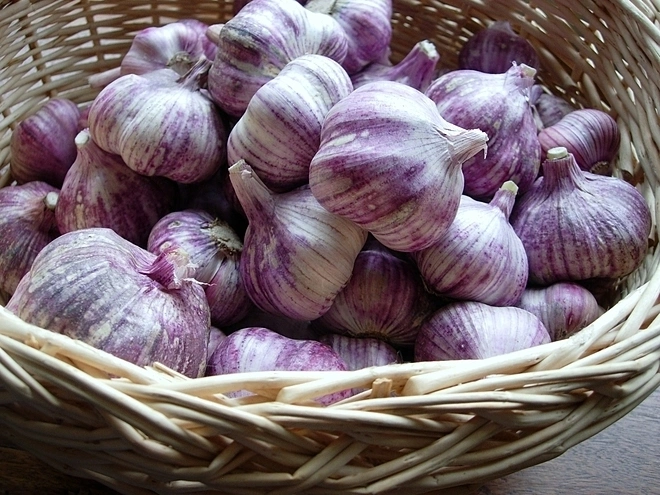
Garlic is widely celebrated as one of nature’s most powerful medicinal foods. It contains antioxidants, sulfur compounds, and nutrients that help support immunity, heart health, and overall wellness. Many cultures use garlic daily for its flavor and healing properties.
However, despite its benefits, garlic is not suitable for everyone. In certain situations, garlic may worsen health conditions, interact with medications, or lead to unwanted side effects. Understanding who should limit or avoid garlic is essential for safe and informed dietary choices.
Below is a comprehensive guide to the groups of people who may need to avoid garlic or consume it with caution.
1. People with Gastrointestinal Sensitivity or Digestive Disorders
Garlic is pungent, acidic, and difficult for certain individuals to digest. While some people tolerate it well, others may experience discomfort.
Garlic may worsen symptoms of:
-
Acid reflux (GERD)
-
Gastritis
-
Peptic ulcers
-
Irritable bowel syndrome (IBS)
-
Inflammatory bowel disease (IBD)
-
Digestive sensitivity or inflammation
Possible side effects include:
-
Heartburn
-
Bloating
-
Gas
-
Stomach cramps
-
Burning sensation in the chest or abdomen
Raw garlic is particularly strong and can irritate the digestive lining. People with chronic stomach issues should limit their intake or consult a healthcare provider before incorporating garlic into their diet.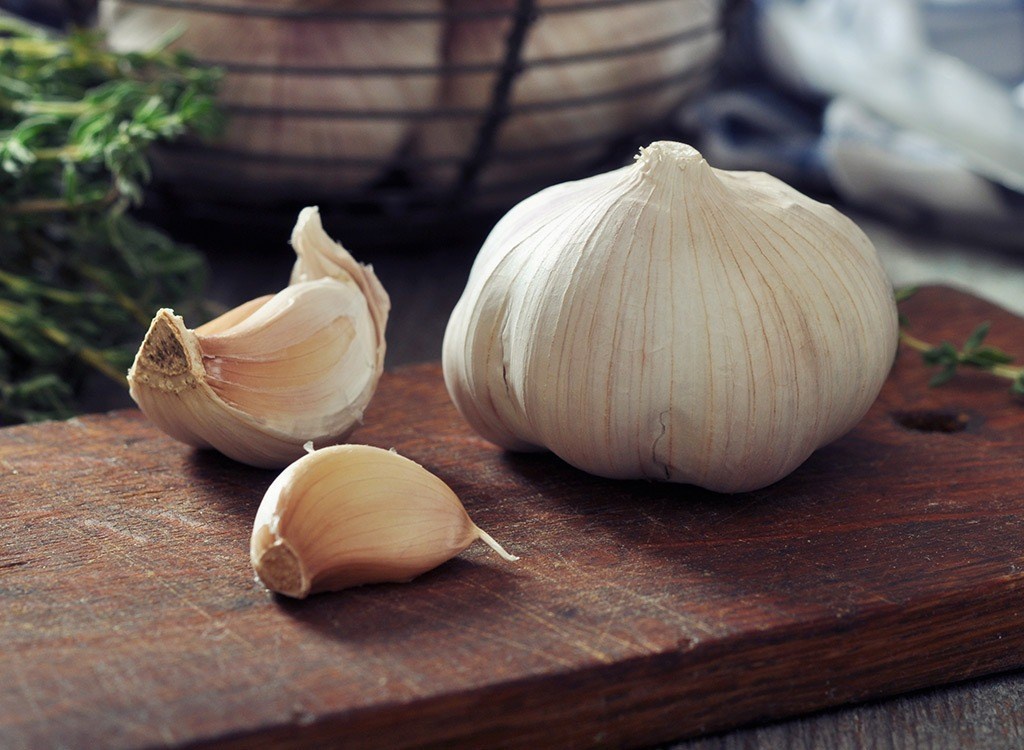
2. Individuals Taking Blood-Thinning Medication
Garlic naturally contains anticoagulant (blood-thinning) properties. While beneficial for heart health, this effect can be dangerous for people already taking blood-thinning medications.
Garlic may interact with medications such as:
-
Warfarin
-
Aspirin
-
Clopidogrel
-
Heparin
-
Other anticoagulants or antiplatelet drugs
Why this is risky:
Combining garlic with these medications can increase the risk of:
-
Excessive bleeding
-
Easy bruising
-
Nosebleeds
-
Internal bleeding
Doctors often advise patients on blood thinners to avoid large amounts of garlic or garlic supplements.
3. People Preparing for Surgery
Because garlic affects blood clotting, individuals scheduled for surgery should limit or avoid it beforehand.
Recommended guideline:
Most healthcare providers recommend avoiding garlic (especially supplements or raw garlic) 7–10 days before surgery.
Reason:
Garlic may:
-
Increase bleeding during surgery
-
Interfere with healing
-
Complicate anesthetic procedures
Post-surgery, garlic should be reintroduced carefully and only after medical approval.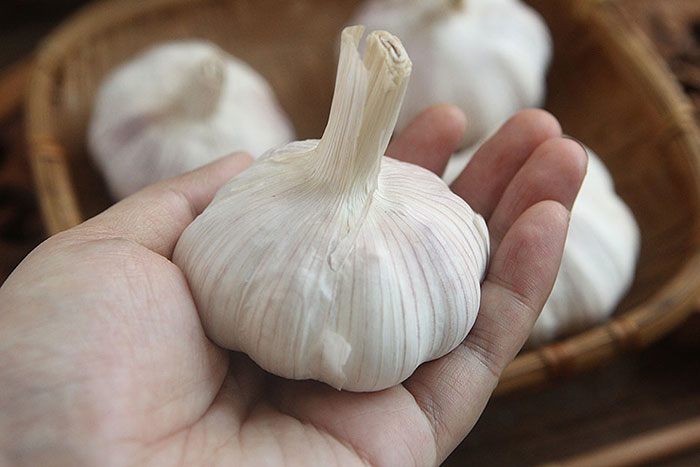
4. Individuals with Low Blood Pressure
Garlic can naturally lower blood pressure due to its vasodilating and blood-thinning effects. While this is beneficial for people with hypertension, it can be harmful for those who already have low blood pressure.
Risks for people with hypotension:
-
Dizziness
-
Fainting
-
Vision changes
-
Weakness or fatigue
-
Risk of sudden blood pressure drops
If you already struggle with low blood pressure or take medication to reduce hypertension, consult a doctor before consuming garlic regularly.
5. People with Allergies or Sensitivities to Garlic
Although garlic allergies are not extremely common, they do occur.
Symptoms of a garlic allergy may include:
-
Skin rash or hives
-
Itching
-
Swelling of lips, face, or throat
-
Digestive upset
-
Wheezing or breathing difficulties
Some individuals experience contact dermatitis when handling raw garlic. In severe cases, a garlic allergy may trigger anaphylaxis, which requires immediate medical care.
Anyone who notices symptoms after eating garlic should stop consumption and consult a healthcare professional.
6. Those with Liver or Gallbladder Issues
While garlic is often promoted as beneficial for liver health, excessive intake — especially raw garlic — may irritate the digestive and biliary systems.
Garlic may worsen symptoms in people with:
-
Gallstones
-
Gallbladder inflammation
-
Bile duct issues
-
Certain liver disorders
Garlic stimulates bile production, which can cause discomfort or exacerbation of symptoms in susceptible individuals.
7. People Experiencing Frequent Heartburn or Acid Reflux
Garlic relaxes the lower esophageal sphincter, a muscular flap that prevents stomach acid from rising into the esophagus.
This makes garlic a trigger for:
-
Heartburn
-
Acid reflux
-
GERD flare-ups
Cooked garlic is usually milder, but raw garlic can significantly worsen symptoms.
8. Individuals with Migraines or Chronic Headaches
Some people are highly sensitive to sulfur compounds found in garlic. For them, garlic may trigger or intensify headaches.
Why this happens:
-
Garlic activates certain nerve pathways
-
It may dilate blood vessels
-
Strong odors can stimulate migraine-sensitive areas in the brain
If headaches occur after eating garlic, it may be best to reduce or eliminate it from the diet.
9. People Taking Certain Medications
Garlic supplements, especially in concentrated form, may interact with medications such as:
-
HIV/AIDS medications (e.g., saquinavir)
-
Birth control pills
-
Diabetes medications
-
Blood pressure medications
These interactions can reduce medication effectiveness or amplify side effects. Always check with a doctor before combining garlic supplements with prescription medications.
10. Individuals with Sensitive Skin (Handling Raw Garlic)
When applied directly to the skin, garlic can cause burns, irritation, and blistering due to its strong sulfur compounds. Some people mistakenly apply raw garlic as a home remedy for warts or acne, but this is unsafe.
Possible skin reactions:
-
Redness
-
Blistering
-
Chemical burns
-
Peeling
Those with sensitive skin should avoid handling or applying raw garlic directly.
How Much Garlic Is Safe for Most People?
For the general population:
-
1–2 cloves per day is considered safe
-
Cooked garlic is gentler than raw
-
Garlic supplements should be taken only as directed
-
People with health conditions should seek personalized advice
Moderation is essential, as excessive garlic intake can lead to digestive upset, strong body odor, and other side effects even in healthy individuals.
Conclusion
Garlic is a nutritious and powerful natural ingredient, but it is not suitable for everyone. People with digestive issues, allergies, low blood pressure, upcoming surgeries, or those taking certain medications may need to limit or avoid garlic entirely.
By understanding these precautions, individuals can make informed decisions about whether garlic fits safely into their diet.
If you suspect garlic may be affecting you negatively, consult a healthcare professional for personalized guidance.