Constipation is something almost everyone experiences at some point. A few days without a bowel movement, harder-than-usual stool, or needing to strain can often be temporary and may improve with simple changes to diet, fluids, activity, or routine.
But when constipation keeps returning or refuses to go away, it deserves more attention.
Persistent constipation isn't necessarily a sign of something serious. In many cases, it is related to everyday factors such as insufficient fiber, dehydration, inactivity, changes in routine, or medications. However, chronic constipation can also be associated with problems involving the muscles and nerves that control bowel movements, hormonal or metabolic conditions, or other digestive disorders.
Understanding the difference between occasional constipation and a persistent problem can help you know when it's time to seek medical advice.
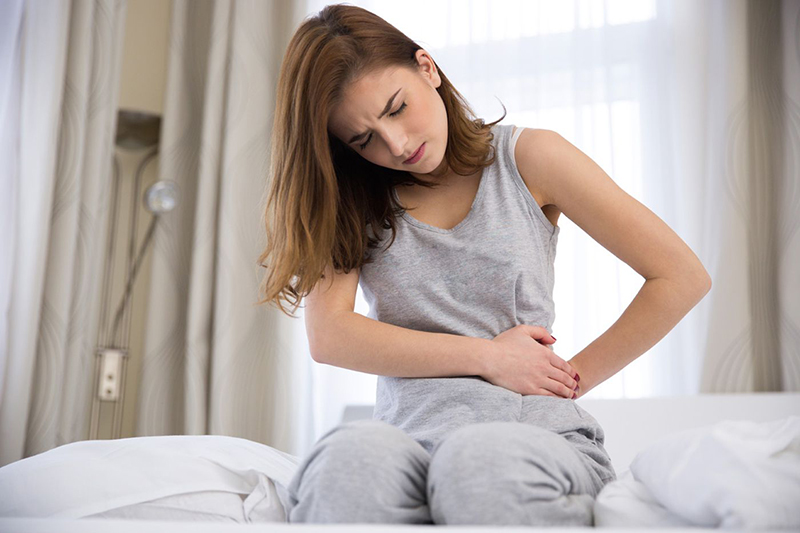
What Actually Counts as Constipation?
Constipation is more than simply not having a bowel movement every day.
Bowel habits vary considerably from one person to another. Some healthy people go several times a day, while others naturally go only a few times a week.
Constipation is generally characterized by symptoms such as:
-
Having fewer bowel movements than usual
-
Passing hard or lumpy stools
-
Straining during bowel movements
-
Feeling that the bowel has not completely emptied
-
Feeling that something is blocking the passage of stool
-
Needing to use certain maneuvers to help pass stool
When these symptoms occur repeatedly over an extended period, healthcare professionals may consider the possibility of chronic constipation.
The important point is to pay attention to a change from your normal bowel pattern rather than focusing exclusively on a particular number of bowel movements.
Why Does Constipation Happen?
There isn't a single cause of constipation.
The digestive system depends on coordinated movement of the intestines, adequate water, dietary fiber, healthy gut function, and properly functioning pelvic and abdominal muscles. Disruptions in any of these areas can make bowel movements more difficult.
1. Not Getting Enough Fiber
Fiber adds bulk to stool and can help support regular bowel movements.
A diet low in vegetables, fruits, whole grains, legumes, and other fiber-rich foods may contribute to constipation.
However, increasing fiber too quickly can cause bloating and discomfort. It is usually better to increase fiber gradually while maintaining adequate fluid intake.
2. Not Drinking Enough Fluids
Stool contains water. When the body doesn't receive enough fluids, stool can become harder and more difficult to pass.
Dehydration can therefore make constipation worse, particularly when combined with a low-fiber diet.
3. Being Physically Inactive
Regular physical activity can support normal intestinal movement.
Long periods of sitting or a generally sedentary lifestyle may contribute to slower bowel habits in some people.
Even simple activities such as walking can be useful for maintaining an active routine.
4. Ignoring the Urge to Go
Repeatedly delaying bowel movements can contribute to constipation.
If you regularly ignore the urge because you're busy, traveling, at work, or uncomfortable using public bathrooms, your bowel habits may gradually become more difficult.
Creating enough time for an unhurried bathroom routine can help.
Medications Can Sometimes Be the Culprit
Certain medications are well known to cause or worsen constipation.
Examples include some:
-
Opioid pain medications
-
Iron supplements
-
Certain antacids
-
Some antidepressants
-
Certain medications used for high blood pressure
-
Some medications used for neurological conditions
This doesn't mean you should stop taking a prescribed medication on your own.
If constipation begins after starting a new medication or supplement, tell your healthcare professional. They can determine whether the medication could be contributing and whether an alternative or adjustment is appropriate.
Chronic Constipation Can Sometimes Involve the Pelvic Floor
Not every case is caused by diet or lifestyle.
The pelvic floor contains muscles involved in controlling bowel movements. These muscles need to relax and coordinate properly when stool is passed.
In some people, these muscles do not relax appropriately, making it difficult to empty the rectum even when stool is present.
This is sometimes called a defecatory or pelvic floor disorder.
People with this problem may describe:
-
Excessive straining
-
A sensation of blockage
-
Repeated attempts to have a bowel movement
-
Feeling that stool remains even after going
-
Needing to change position or use other maneuvers
When this is the underlying issue, simply eating more fiber may not solve the problem. Medical assessment can help identify the cause, and specialized pelvic-floor therapy may sometimes be recommended.
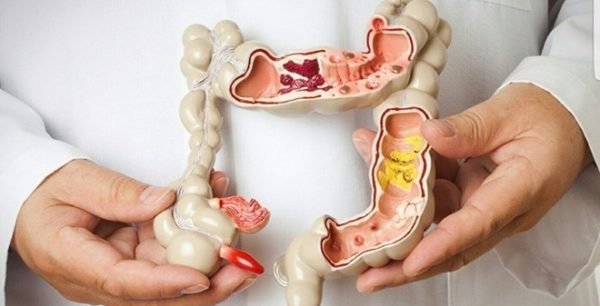
Constipation Can Be Associated With Other Medical Conditions
Persistent constipation can occasionally occur alongside other health conditions.
Examples include:
Hypothyroidism
An underactive thyroid can slow many body processes, including intestinal movement.
Diabetes
Diabetes can affect nerves that control the digestive tract in some people, potentially contributing to constipation.
Neurological Disorders
Certain neurological conditions can affect the nerves and muscles involved in bowel function.
Irritable Bowel Syndrome
Some people with IBS-C, the constipation-predominant form of irritable bowel syndrome, experience recurring constipation along with abdominal discomfort or pain and changes in bowel habits.
Structural Problems
In some cases, narrowing or obstruction within the digestive tract can interfere with the passage of stool.
These conditions are much less common than everyday causes of constipation, but persistent or unexplained symptoms deserve appropriate evaluation.
Don't Ignore Changes in Your Normal Bowel Habits
One of the most important things to notice is a new and persistent change.
If someone has always had relatively regular bowel movements and suddenly develops persistent constipation, it is worth paying attention to—especially if the change cannot be explained by a recent dietary or lifestyle change.
That doesn't mean a serious disease is present.
It simply means that a new, unexplained, persistent symptom should not automatically be dismissed.
Warning Signs That Need Medical Attention
Constipation becomes more concerning when it occurs alongside other symptoms.
Contact a healthcare professional if constipation is persistent or accompanied by:
-
Blood in the stool
-
Rectal bleeding
-
Unexplained weight loss
-
Persistent or worsening abdominal pain
-
Recurrent vomiting
-
Persistent abdominal swelling or significant bloating
-
Unexplained anemia
-
A major change in your usual bowel habits
-
A persistent feeling that something is blocking the rectum
-
A strong family history of colorectal cancer or certain bowel disorders
These symptoms do not automatically mean cancer or another serious disease is present. Many have much more common explanations.
But they should be evaluated rather than ignored.
What About Colon Cancer?
Constipation alone is not a reliable way to diagnose colorectal cancer.
Most people with constipation do not have colon cancer.
However, a persistent change in bowel habits can sometimes occur with colorectal cancer, particularly when it appears alongside other warning signs such as rectal bleeding, blood in the stool, unexplained weight loss, abdominal pain, or iron-deficiency anemia.
This is one reason persistent bowel changes shouldn't simply be self-treated indefinitely.
Age, family history, previous polyps, inflammatory bowel disease, and other risk factors can also affect colorectal cancer screening recommendations.
Following the screening schedule recommended for your age and individual risk is an important part of digestive health.
What Can You Do at Home?
For uncomplicated constipation, several lifestyle measures may help.
Increase Fiber Gradually
Good sources include:
-
Beans and lentils
-
Oats
-
Whole grains
-
Vegetables
-
Berries
-
Apples and pears
-
Nuts and seeds
Increase fiber gradually rather than suddenly consuming large quantities.
Too much fiber too quickly can cause gas and bloating.
Drink Enough Fluids
Adequate hydration helps keep stool softer.
Individual fluid needs vary depending on body size, activity, climate, diet, and medical conditions. People with certain heart or kidney conditions may have specific fluid restrictions and should follow their clinician's advice.
Stay Active
Walking and other regular physical activity can support healthy bowel function.
You don't necessarily need intense exercise. Consistency is often more important.
Establish a Bathroom Routine
Try giving yourself enough time to use the bathroom without rushing.
Some people find it helpful to sit on the toilet around the same time each day, particularly after a meal when the body's natural gastrocolic reflex can stimulate bowel activity.
A small footstool may also help position the body more comfortably, although it isn't necessary for everyone.
Should You Take a Laxative?
Sometimes laxatives are appropriate, but choosing the right type matters.
There are several categories, including:
-
Bulk-forming agents
-
Osmotic laxatives
-
Stool softeners
-
Stimulant laxatives
Some are intended for regular use under appropriate circumstances, while others are better suited to short-term or specific situations.
If constipation is frequent or chronic, it is better to discuss treatment with a healthcare professional rather than repeatedly relying on different over-the-counter products without understanding the cause.
And if you're taking other medications, have kidney disease, heart disease, are pregnant, or have another significant medical condition, ask a healthcare professional or pharmacist before starting a new laxative.
Be Careful With “Detox” Products
When constipation becomes frustrating, people sometimes turn to aggressive cleanses, herbal teas, or so-called detox products.
These products are not necessary for “cleansing” a healthy digestive system.
Some can cause diarrhea, dehydration, electrolyte disturbances, or medication interactions.
A healthy bowel doesn't need a commercial detox to remove supposed toxins.
If constipation keeps returning, identifying the underlying reason is much more useful than repeatedly forcing bowel movements.
When Constipation Becomes an Emergency
Severe constipation accompanied by certain symptoms requires urgent medical attention.
Seek prompt medical care if you have severe or worsening abdominal pain, repeated vomiting, significant abdominal swelling, inability to pass stool or gas, heavy rectal bleeding, fainting, or severe weakness.
These symptoms can sometimes indicate bowel obstruction, significant bleeding, or another condition requiring urgent assessment.
Do not attempt to treat potentially serious symptoms solely with home remedies.
Your Bowel Habits Can Tell You Something
People often feel embarrassed talking about constipation.
But bowel movements are a normal part of human physiology, and changes in bowel habits can provide useful information about what's happening in the body.
A few days of constipation after traveling, changing your diet, becoming less active, or taking a new medication may be relatively straightforward.
Persistent constipation is different.
If the problem keeps returning, interferes with daily life, requires frequent medication, or is accompanied by other unusual symptoms, it's worth having a proper conversation with a healthcare professional.

The Bottom Line
Persistent constipation is common, but it shouldn't always be ignored.
In many cases, the cause is relatively simple - too little fiber, inadequate fluid intake, lack of physical activity, ignoring the urge to use the bathroom, or medication side effects.
But chronic constipation can also be related to pelvic-floor dysfunction, metabolic conditions, neurological problems, gastrointestinal disorders, or, less commonly, structural disease.
The key is not to panic over an occasional difficult bowel movement. Instead, pay attention to patterns and changes.
If constipation continues despite reasonable lifestyle measures, keeps coming back, or occurs with bleeding, unexplained weight loss, persistent abdominal pain, vomiting, anemia, or a significant change in bowel habits, seek medical advice.
Your digestive system doesn't always make a dramatic announcement when something changes. Sometimes, the earliest clue is simply that your normal routine isn't normal anymore.