Cracked heels are a common foot problem that affects millions of people worldwide. In many cases, dry skin is the primary culprit, especially during colder months or in dry climates. However, persistent heel cracks are not always caused solely by a lack of moisture.
When heel fissures repeatedly return despite regular moisturizing and proper foot care, it may be worth considering other contributing factors. Certain medical conditions, lifestyle habits, and environmental influences can all play a role in the development of cracked heels.
Understanding these potential causes can help individuals take more effective steps toward prevention and treatment.

What Are Cracked Heels?
Cracked heels, also known as heel fissures, occur when the skin around the heel becomes excessively dry, thickened, and less elastic.
As pressure is applied during standing and walking, the skin may split, creating visible cracks.
Common Symptoms
-
Dry, rough skin
-
Flaking or peeling
-
Thickened skin around the heel
-
Pain when walking
-
Deep fissures
-
Occasional bleeding in severe cases
Mild cracking is often a cosmetic concern, while deeper fissures may become painful and increase the risk of infection.
Why Dry Skin Is Only Part of the Story
While dryness is a major factor, the skin's condition is influenced by many underlying processes.
These include:
-
Circulation
-
Nutrition
-
Hormonal balance
-
Immune function
-
Skin health
When any of these systems are affected, heel cracking may become more persistent.
Condition #1: Diabetes
One of the most commonly discussed medical conditions associated with cracked heels is diabetes.
Why Diabetes Can Affect the Feet
Elevated blood sugar levels may contribute to:
-
Dry skin
-
Reduced sweating
-
Nerve damage
-
Circulatory changes
These factors can make the skin more vulnerable to cracking.
Additional Warning Signs
People with diabetes may also notice:
-
Numbness
-
Tingling
-
Slow wound healing
-
Increased risk of infections
Because foot complications can become serious, individuals with diabetes should pay close attention to foot health.
Condition #2: Hypothyroidism
The thyroid gland helps regulate many bodily functions.
What Happens When Thyroid Activity Slows
Hypothyroidism may contribute to:
-
Dry skin
-
Thickened skin
-
Reduced sweating
-
Skin roughness
These changes can increase the likelihood of heel fissures.
Other Possible Symptoms
-
Fatigue
-
Weight gain
-
Sensitivity to cold
-
Hair thinning
Persistent cracked heels accompanied by these symptoms may warrant medical evaluation.
Condition #3: Eczema
Eczema is a chronic inflammatory skin condition.
How It Affects the Feet
Eczema may cause:
-
Dryness
-
Itching
-
Redness
-
Skin cracking
When eczema affects the feet, heel fissures can become recurrent.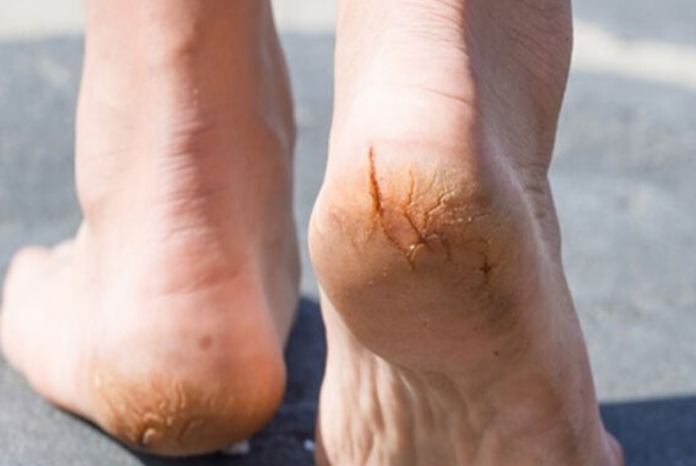
Importance of Proper Management
Treating the underlying skin condition is often necessary for long-term improvement.
Condition #4: Psoriasis
Psoriasis is another chronic skin disorder that may affect the feet.
Common Symptoms
-
Thickened skin
-
Scaling
-
Red patches
-
Cracking
When psoriasis develops on the soles of the feet, deep fissures may occur.
Why It Matters
Moisturizers alone may not fully address the underlying inflammatory process.
Condition #5: Fungal Infections
Certain fungal infections can affect foot skin and contribute to cracking.
Typical Signs
-
Peeling skin
-
Itching
-
Redness
-
Scaling between toes
-
Cracked heels
Athlete's foot is one example that may lead to persistent dryness and fissures.
Treatment Considerations
Addressing the infection is often necessary to improve symptoms.
Condition #6: Nutritional Deficiencies
Healthy skin depends on adequate nutrition.
Nutrients Important for Skin Health
-
Zinc
-
Iron
-
Vitamin A
-
Vitamin E
-
Essential fatty acids
Insufficient intake of these nutrients may affect skin integrity and healing.
Balanced Nutrition Matters
A varied diet rich in fruits, vegetables, whole grains, and healthy fats supports overall skin health.
Condition #7: Obesity and Increased Pressure on the Heels
Excess body weight can increase mechanical stress on the feet.
How Pressure Contributes
The fat pad beneath the heel may expand outward under pressure.
As the skin stretches, cracks may develop more easily.
Why Footwear Matters
Properly fitted shoes can help reduce excessive stress on heel skin.
Lifestyle Factors That Can Cause Cracked Heels
Medical conditions are not the only contributors.
Several everyday habits may worsen heel dryness.
Standing for Long Periods
Extended standing increases pressure on the heels.
Walking Barefoot
Bare feet are exposed to environmental dryness and friction.
Wearing Open-Back Shoes
Sandals and flip-flops provide less heel support.
Hot Showers
Frequent exposure to hot water may strip natural oils from the skin.
Environmental Factors
Climate also affects skin health.
Dry Weather
Low humidity can accelerate moisture loss.
Air Conditioning and Heating
Indoor climate control systems may further dry the skin.
Seasonal Changes
Many people notice worsening symptoms during winter months.
Warning Signs That Deserve Medical Attention
Most cracked heels improve with proper care.
However, medical evaluation may be appropriate if you experience:
-
Severe pain
-
Bleeding
-
Signs of infection
-
Swelling
-
Redness spreading beyond the heel
-
Persistent fissures despite treatment
Individuals with diabetes should seek prompt evaluation for foot wounds or persistent cracks.
How to Care for Cracked Heels
Moisturize Regularly
Using thick creams or ointments may help maintain skin hydration.
Common ingredients include:
-
Urea
-
Glycerin
-
Petrolatum
-
Lactic acid
Gently Exfoliate
Removing excess dead skin may improve moisturizer penetration.
Wear Supportive Footwear
Shoes that support the heel can reduce pressure and friction.
Stay Hydrated
Proper hydration supports overall skin health.
Protect the Feet
Wearing socks may help retain moisture and reduce irritation.
Common Myths About Cracked Heels
Myth 1: Cracked Heels Are Only a Cosmetic Issue
Deep fissures can become painful and may increase infection risk.
Myth 2: Drinking More Water Alone Will Cure Cracked Heels
Hydration is important, but external skin care and addressing underlying causes are often necessary.
Myth 3: Everyone Gets Cracked Heels From Dry Weather
While climate plays a role, medical conditions may also contribute.
Myth 4: Moisturizer Is Always Enough
If an underlying condition is present, treating that condition may be essential.
Preventing Future Heel Cracks
Prevention often involves consistent foot care.
Daily Moisturizing
Maintaining skin hydration helps preserve flexibility.
Wearing Proper Footwear
Supportive shoes reduce mechanical stress.
Managing Chronic Conditions
Proper management of diabetes, thyroid disorders, and skin conditions may improve outcomes.
Monitoring Foot Health
Regularly checking the feet allows early detection of problems.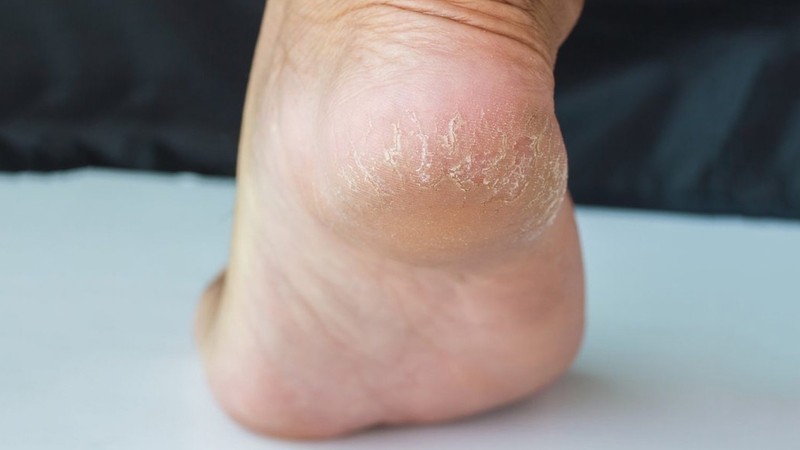
Final Thoughts
Cracked heels are frequently blamed on dry skin, but persistent heel fissures may sometimes reflect more than a simple lack of moisture. Conditions such as diabetes, hypothyroidism, eczema, psoriasis, fungal infections, nutritional deficiencies, and increased pressure on the feet can all contribute to ongoing symptoms.
Most cases improve with appropriate skin care, moisturizing, and protective footwear. However, when cracked heels become severe, painful, recurrent, or resistant to treatment, it may be wise to look beyond dryness and consider potential underlying causes.
Paying attention to what your feet are telling you can provide valuable clues about your overall health—and sometimes those small cracks may be signaling something worth investigating.