
Health 07/07/2026 21:34
Persistent Gut Problems? Here Are 6 Signs You Shouldn't Overlook
Persistent Gut Problems? Here Are 6 Signs You Shouldn't Overlook
🚨 6 Warning Signs Your Intestinal Condition May Be More Serious Than You Think


 5
5
Your Digestive System Often Gives Warning Signs—Don't Ignore Them
Occasional stomach discomfort is something almost everyone experiences. A heavy meal, food intolerance, stress, or a mild stomach virus can all cause temporary digestive symptoms that usually resolve within a day or two.
However, persistent or severe intestinal symptoms should never be ignored. While many digestive complaints are caused by relatively harmless conditions such as indigestion or irritable bowel syndrome (IBS), some may signal more serious diseases, including inflammatory bowel disease (IBD), diverticulitis, intestinal obstruction, colorectal cancer, or severe infections.
The image above highlights six warning signs that may indicate a more serious intestinal condition. Although these symptoms do not automatically mean you have a serious disease, they should prompt you to seek medical advice—especially if they are persistent, worsening, or accompanied by other concerning symptoms.
Early diagnosis can make a significant difference in treatment outcomes.
Understanding Your Intestines
The intestines play a vital role in your health.
They are responsible for:
- Digesting food
- Absorbing nutrients
- Absorbing water
- Supporting the immune system
- Maintaining a healthy gut microbiome
- Removing waste from the body
When something interferes with these functions, your body often sends warning signals.
Recognizing those signals early can help prevent complications.
1. Persistent Abdominal Pain
Everyone experiences stomach pain from time to time.
But abdominal pain that:
- Lasts several days
- Keeps returning
- Becomes progressively worse
- Wakes you from sleep
deserves medical evaluation.
Possible causes include:
- Irritable bowel syndrome (IBS)
- Inflammatory bowel disease (Crohn's disease or ulcerative colitis)
- Diverticulitis
- Gallstones
- Appendicitis
- Intestinal blockage
- Colorectal cancer
Pain located in a specific area—especially if severe—should never be ignored.
2. Blood in the Stool
Blood in your stool is one of the most important warning signs to discuss with a healthcare provider.
It may appear as:
- Bright red blood
- Dark maroon blood
- Black, tarry stools
Possible causes include:
- Hemorrhoids
- Anal fissures
- Polyps
- Inflammatory bowel disease
- Diverticular bleeding
- Stomach ulcers
- Colorectal cancer
While hemorrhoids are a common cause, blood should never be assumed to be harmless without proper evaluation.
3. Persistent Diarrhea or Constipation
Changes in bowel habits that last more than a few weeks should be investigated.
Persistent diarrhea may result from:
- Infections
- Food intolerance
- Celiac disease
- Inflammatory bowel disease
- Certain medications
Chronic constipation may be associated with:
- Low-fiber diet
- Dehydration
- Thyroid disease
- Medication side effects
- Neurological disorders
- Colon cancer in some cases
A significant change in your normal bowel pattern deserves attention.
Healthy Habits That Support Digestive Health


 4
4
A healthy digestive system depends on consistent lifestyle habits that promote normal bowel function and reduce the risk of many intestinal disorders.
4. Unexplained Weight Loss
Losing weight without changing your diet or exercise routine can be an important warning sign.
Possible digestive causes include:
- Crohn's disease
- Ulcerative colitis
- Celiac disease
- Pancreatic disease
- Colorectal cancer
- Chronic infections
Unintentional weight loss should always be evaluated, especially when accompanied by digestive symptoms.
5. Persistent Bloating
Occasional bloating after a large meal is completely normal.
However, ongoing bloating that:
- Occurs almost every day
- Causes significant discomfort
- Is associated with pain or weight loss
may indicate:
- Food intolerances
- Irritable bowel syndrome
- Small intestinal bacterial overgrowth (SIBO)
- Celiac disease
- Ovarian disorders (in women)
- Intestinal obstruction in rare cases
Persistent bloating is worth discussing with your healthcare provider.
6. Fever, Vomiting, or Severe Symptoms
Digestive symptoms become more concerning when they occur alongside:
- High fever
- Persistent vomiting
- Severe dehydration
- Inability to pass gas or stool
- Severe abdominal swelling
- Intense abdominal pain
These symptoms may indicate a medical emergency such as:
- Appendicitis
- Bowel obstruction
- Severe infection
- Perforated intestine
Immediate medical attention is essential in these situations.
Who Is at Higher Risk?
Certain factors increase the likelihood of developing intestinal diseases:
- Age over 50
- Family history of colorectal cancer
- Inflammatory bowel disease
- Smoking
- Obesity
- Low-fiber diet
- Physical inactivity
- Type 2 diabetes
- Heavy alcohol use
People with these risk factors should pay close attention to persistent digestive symptoms and follow recommended screening guidelines.
How Doctors Diagnose Intestinal Problems
Depending on your symptoms, your healthcare provider may recommend:
- Physical examination
- Blood tests
- Stool tests
- Abdominal ultrasound
- CT scan
- Colonoscopy
- Upper endoscopy
- Tests for food intolerances or celiac disease
These evaluations help determine the underlying cause and guide appropriate treatment.
How to Keep Your Intestines Healthy
Many digestive disorders can be prevented—or their symptoms improved—through healthy lifestyle choices.
Helpful habits include:
- Eat plenty of fruits, vegetables, legumes, and whole grains.
- Drink enough water every day.
- Exercise regularly to promote healthy bowel function.
- Limit highly processed foods and excessive red or processed meat.
- Avoid smoking and limit alcohol consumption.
- Manage stress, which can affect digestive function.
- Don't ignore persistent digestive symptoms.
- Stay up to date with recommended colorectal cancer screening, especially after age 45–50 or earlier if you have additional risk factors.
When Should You See a Doctor Immediately?
Seek urgent medical care if you experience:
- Severe abdominal pain
- Blood in the stool
- Black, tarry stools
- Persistent vomiting
- High fever with abdominal pain
- Fainting or severe weakness
- Rapid abdominal swelling
- Inability to pass stool or gas
These symptoms may require prompt medical evaluation and treatment.
The Bottom Line
Digestive symptoms are common, but persistent abdominal pain, blood in the stool, lasting changes in bowel habits, unexplained weight loss, ongoing bloating, or severe symptoms such as fever and vomiting should never be ignored. While many intestinal problems are caused by conditions that are treatable and not life-threatening, these warning signs can also point to more serious diseases that benefit from early diagnosis.
Pay attention to your body's signals, maintain healthy digestive habits, and seek medical advice when symptoms persist or worsen. Early evaluation can often lead to more effective treatment and better long-term health outcomes.
💚 Healthy Reminder
Your digestive system works every day to nourish and protect your body. Eating a balanced diet, staying hydrated, exercising regularly, and seeking medical care for persistent symptoms are some of the best ways to support lifelong intestinal health.
Tags:
News in the same category
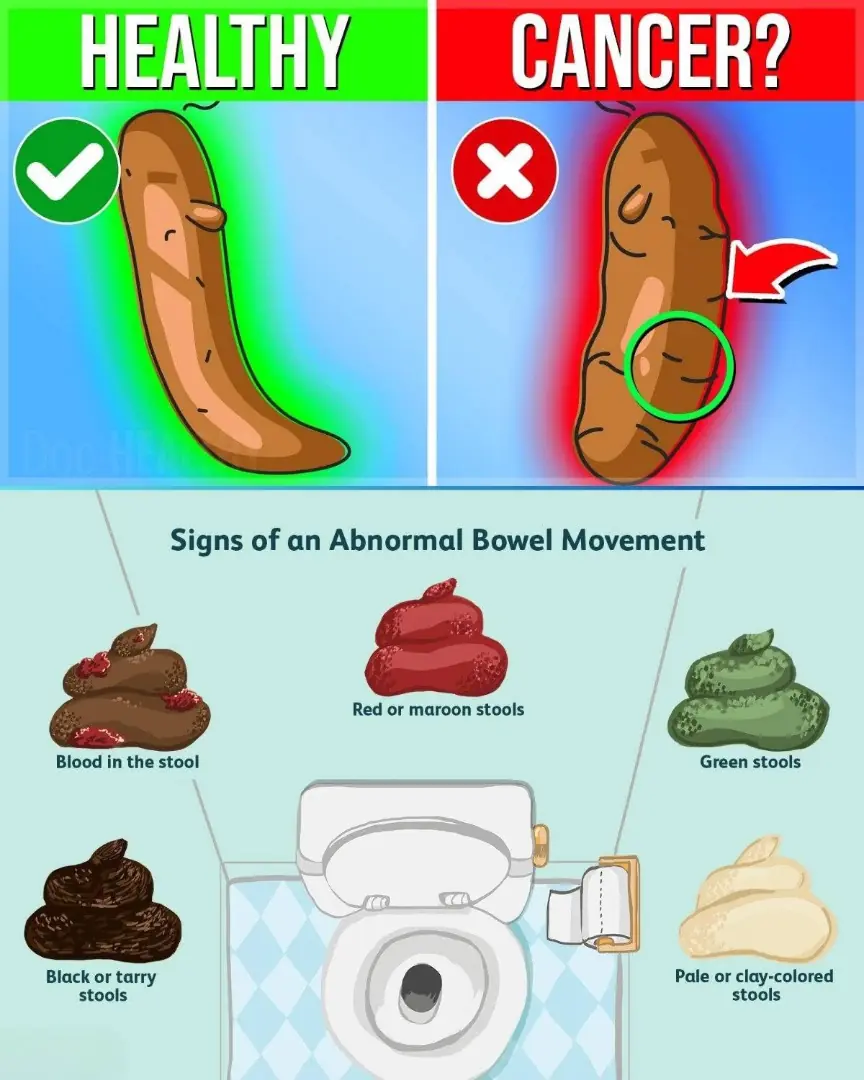
What Your Stool Color Reveals About Your Digestive and Overall Health?
What Your Stool Color Reveals About Your Digestive and Overall Health?
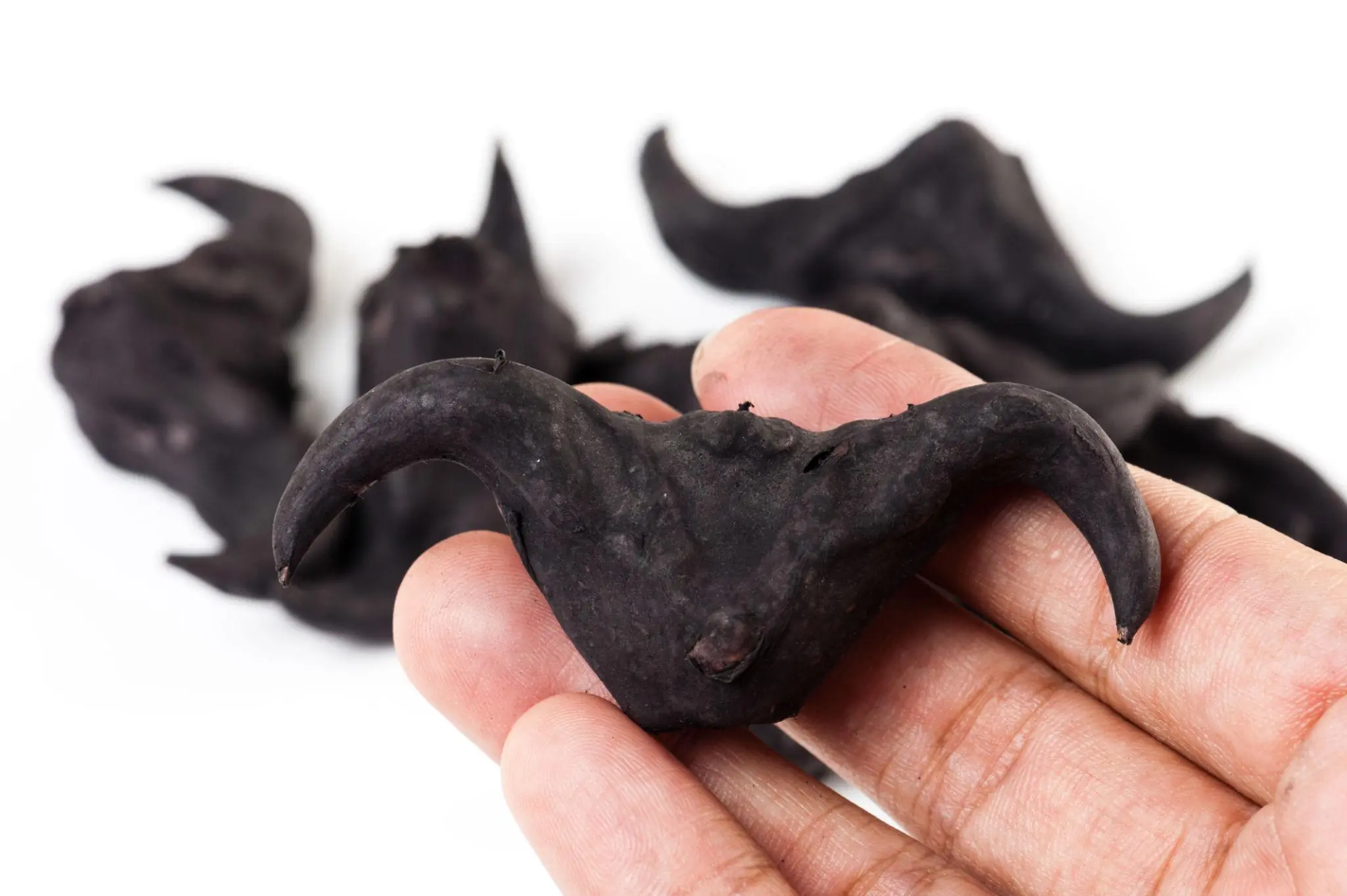
My neighbor gave me a bag of these… anyone know what they are? How do you eat them?
These unusual horn-shaped water caltrops may look intimidating, but they're a traditional food enjoyed in many parts of Asia.
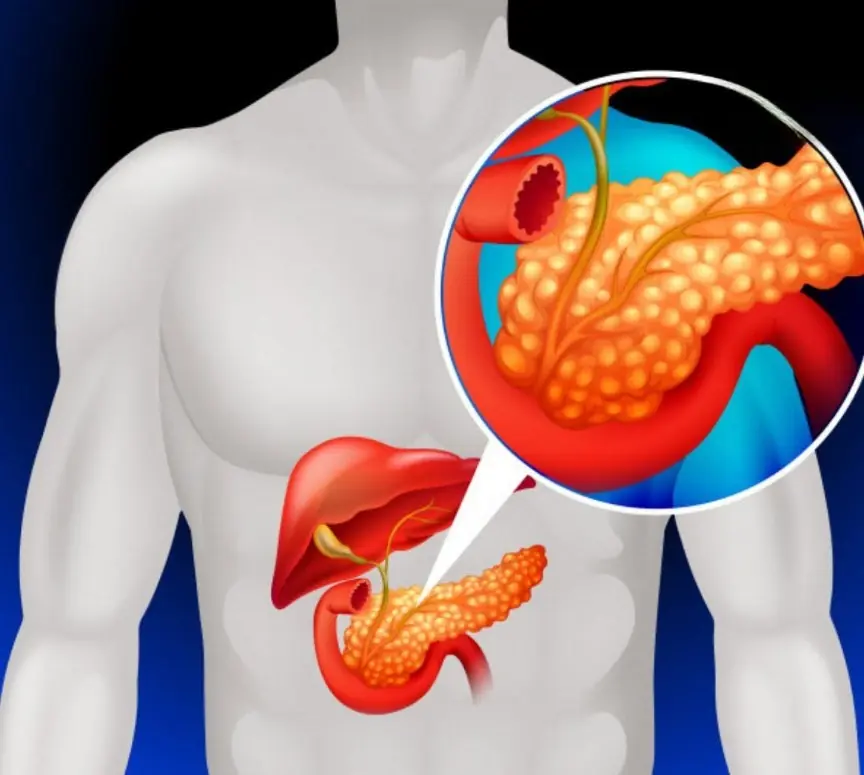
The Early Signs of Pan.creatic Can.cer Everyone Should Know
The Early Signs of Pan.creatic Can.cer Everyone Should Know

Throw This Out Immediately
Throw This Out Immediately

Your Body May Be Sending Signals - 10 Potential Symptoms of Bre.ast Can.cer
Your Body May Be Sending Signals - 10 Potential Symptoms of Bre.ast Can.cer

Doctors Warn: Could Eating These Three Types of Fish Regularly Increase Health Risks?
Some fish are nutritious, but safe choices and preparation matter every time.
Recognizing Fatty Liver Disease Early: 6 Symptoms That Deserve Attention
Recognizing Fatty Liver Disease Early: 6 Symptoms That Deserve Attention

Man Returns Home After Six Months—Only to Find More Than 100 Snake Eggs Hidden Beneath His Bed
An unexpected discovery turned a routine homecoming into a wildlife emergency.

Why Do Smart Travelers Throw a Water Bottle Under the Hotel Bed? The Simple Reason May Surprise You
Why Do Smart Travelers Throw a Water Bottle Under the Hotel Bed? The Simple Reason May Surprise You
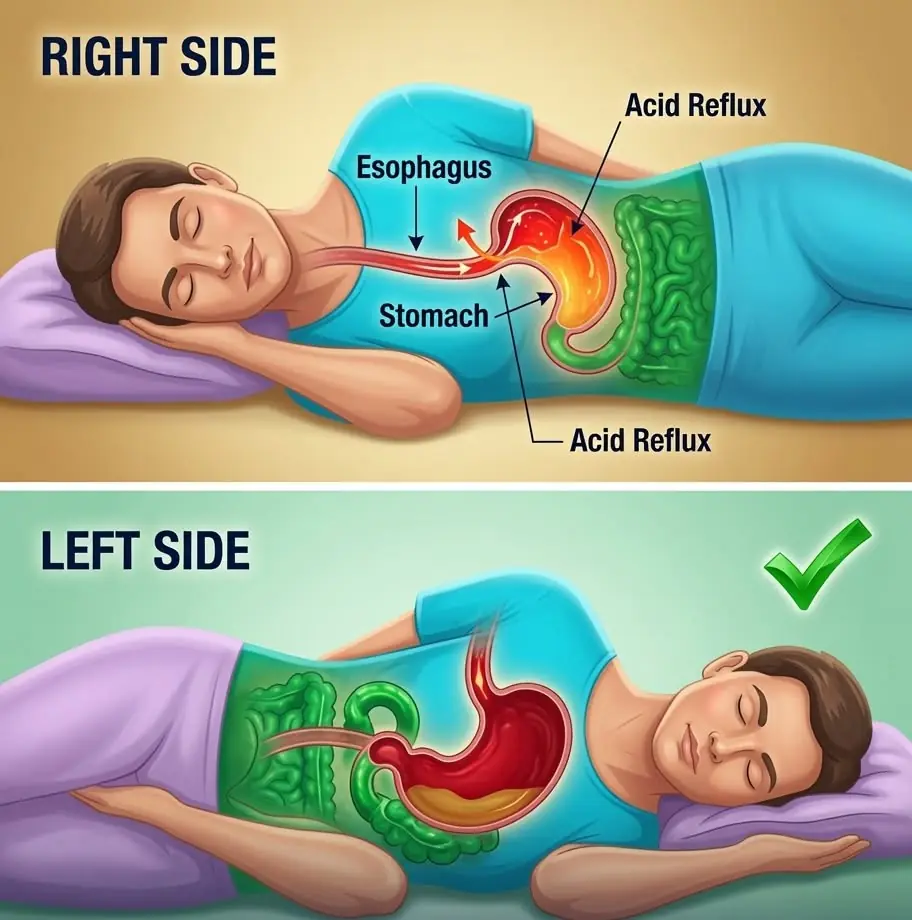
Note that if you always sleep on your right side, you should have...
Note that if you always sleep on your right side, you should have...

The body rarely goes silent before the end — these 6 warning signs may appear up to a year in advance
The body rarely goes silent before the end — these 6 warning signs may appear up to a year in advance

What happens when you drink water first thing in the morning? The answer may surprise you.
What happens when you drink water first thing in the morning? The answer may surprise you.

If You Keep Waking Up at 3 or 4 A.M., Don't Ignore These Possible Reasons...
If You Keep Waking Up at 3 or 4 A.M., Don't Ignore These Possible Reasons...
Not all parts of the meat are edible
Not all parts of the meat are edible

Concerned About Stroke Risk? These 3 Foods May Be Worth Limiting....
Concerned About Stroke Risk? These 3 Foods May Be Worth Limiting....

Doctors Warn Against Drinking These 2 Beverages Before Bed—No Matter How Thirsty You Are
Doctors Warn Against Drinking These 2 Beverages Before Bed—No Matter How Thirsty You Are
If your veins are visible in your hand, it is a signal of ca…
If your veins are visible in your hand, it is a signal of ca…
One month before a heart attack, your body will warn you of these 7 si
One month before a heart attack, your body will warn you of these 7 si
News Post

A Construction Engineer Explains: Why I Would Never Build a Bathroom Under the Stairs
A staircase bathroom may save space—but careful planning is essential.
Tips 07/07/2026 22:33

Choose One Ring and Discover What It May Reveal About Your Future Married Life
Your favorite ring may reflect your hopes, values, and love style.
Tips 07/07/2026 22:28
When it comes to reducing cancer risk, your greatest gains
Health 07/07/2026 21:48
What Your Stool Color Reveals About Your Digestive and Overall Health?
What Your Stool Color Reveals About Your Digestive and Overall Health?
Health 07/07/2026 21:44
My neighbor gave me a bag of these… anyone know what they are? How do you eat them?
These unusual horn-shaped water caltrops may look intimidating, but they're a traditional food enjoyed in many parts of Asia.
Health 07/07/2026 21:42
The Early Signs of Pan.creatic Can.cer Everyone Should Know
The Early Signs of Pan.creatic Can.cer Everyone Should Know
Health 07/07/2026 21:42
Throw This Out Immediately
Throw This Out Immediately
Health 07/07/2026 21:40
Your Body May Be Sending Signals - 10 Potential Symptoms of Bre.ast Can.cer
Your Body May Be Sending Signals - 10 Potential Symptoms of Bre.ast Can.cer
Health 07/07/2026 21:37
Doctors Warn: Could Eating These Three Types of Fish Regularly Increase Health Risks?
Some fish are nutritious, but safe choices and preparation matter every time.
Health 07/07/2026 21:37
Recognizing Fatty Liver Disease Early: 6 Symptoms That Deserve Attention
Recognizing Fatty Liver Disease Early: 6 Symptoms That Deserve Attention
Health 07/07/2026 21:31
Man Returns Home After Six Months—Only to Find More Than 100 Snake Eggs Hidden Beneath His Bed
An unexpected discovery turned a routine homecoming into a wildlife emergency.
Health 07/07/2026 21:28
Why Do Smart Travelers Throw a Water Bottle Under the Hotel Bed? The Simple Reason May Surprise You
Why Do Smart Travelers Throw a Water Bottle Under the Hotel Bed? The Simple Reason May Surprise You
Health 07/07/2026 21:28
Note that if you always sleep on your right side, you should have...
Note that if you always sleep on your right side, you should have...
Health 07/07/2026 21:26
The body rarely goes silent before the end — these 6 warning signs may appear up to a year in advance
The body rarely goes silent before the end — these 6 warning signs may appear up to a year in advance
Health 07/07/2026 21:24
What happens when you drink water first thing in the morning? The answer may surprise you.
What happens when you drink water first thing in the morning? The answer may surprise you.
Health 07/07/2026 21:22
If You Keep Waking Up at 3 or 4 A.M., Don't Ignore These Possible Reasons...
If You Keep Waking Up at 3 or 4 A.M., Don't Ignore These Possible Reasons...
Health 07/07/2026 21:16
Not all parts of the meat are edible
Not all parts of the meat are edible
Health 07/07/2026 21:13
Concerned About Stroke Risk? These 3 Foods May Be Worth Limiting....
Concerned About Stroke Risk? These 3 Foods May Be Worth Limiting....
Health 07/07/2026 21:10
Doctors Warn Against Drinking These 2 Beverages Before Bed—No Matter How Thirsty You Are
Doctors Warn Against Drinking These 2 Beverages Before Bed—No Matter How Thirsty You Are
Health 07/07/2026 21:07