
20-Year-Old Woman Suffers Car.diac Arrest After Drinking an Energy Drink: Doctors Urge Caution
Could your favorite energy drink affect your heart?
Health 03/08/2026 07:42
Persistent nighttime itching may be your body's way of signaling an underlying health issue. Understanding the possible causes can help you find relief sooner.


 5
5
Many people assume that itching is caused by dry skin, insect bites, or seasonal allergies. While these are common reasons, itching that becomes worse at night or continues for weeks without an obvious cause may deserve closer attention. In some cases, persistent itching can be linked to skin disorders, allergic reactions, nerve-related conditions, or even internal medical problems.
One of the most common causes is dry skin (xerosis). During the evening, the skin naturally loses more moisture, especially in dry or air-conditioned environments. This can make itching feel more intense after sunset. Applying a fragrance-free moisturizer immediately after bathing and avoiding very hot showers may help reduce discomfort.
Another frequent cause is eczema (atopic dermatitis). This chronic skin condition often produces itchy, inflamed patches that may worsen at night because the body's inflammatory response changes during sleep. Stress, heat, and harsh soaps can also trigger flare-ups. Proper skin care and prescribed treatments can help keep symptoms under control.


 5
5
Allergic reactions can also lead to widespread itching. Certain foods, medications, detergents, fabrics, or pet dander may trigger the release of histamine, causing redness, swelling, and intense itching. Identifying and avoiding the trigger is often the most effective solution.
In some cases, itching occurs without any visible rash. This may point to internal health conditions such as liver disease, kidney disease, thyroid disorders, diabetes, iron deficiency, or certain blood disorders. When the liver or kidneys are not functioning properly, waste products may accumulate in the body and contribute to generalized itching.
Nerve-related conditions are another possibility. Damage to the nerves from diabetes, shingles, or spinal disorders can create abnormal itching sensations even when the skin appears completely normal. These cases usually require medical evaluation to identify the underlying cause.
Hormonal changes, anxiety, and emotional stress can also make itching worse. Stress affects the nervous system and may increase the brain's perception of itch, creating a cycle where scratching leads to more irritation and even poorer sleep.
If itching is accompanied by symptoms such as unexplained weight loss, persistent fatigue, yellowing of the skin or eyes, fever, swollen lymph nodes, or severe skin changes, it is important to seek medical attention promptly. These symptoms may indicate an underlying condition that requires treatment.


 6
6
Although persistent itching is often caused by harmless skin conditions, it should not be ignored if it becomes severe, disrupts sleep, or continues without improvement. Early evaluation can help identify the underlying cause and ensure appropriate treatment.
Could your favorite energy drink affect your heart?

Millions eat eggs every day, but few know these important safety rules.

Doctors warn these 4 foods may hide dangerous parasites.

Pancreatic cancer is difficult to detect—learn the early clues.

How Nutrient-Dense Seeds Can Be Part of a Heart-Healthy Lifestyle

The famous "M" palm line has inspired myths, but what does it mean?

Healthy eating habits early in life may lower future disease risk.

Optimize Your Diet: The Best Times to Eat Common Foods for Overall Health

23 Possible Signs Your Kidneys May Need Attention — How Many Have You Noticed?

6 Everyday Foods You May Want to Limit for Better Bone Health and Calcium Balance…

Eating Okra Often? Doctors Say You Should Know About These Possible Effects… Check the 1st Comment 👇

😮 Why Are So Many People Adding Oregano to Their Meals? Here’s What It May Offer…

Extremely bitter vegetables may contain toxins that should never be ignored.

🩸 Bruises Appearing for No Clear Reason? Learn When They May Need Medical Attention… See More 👇
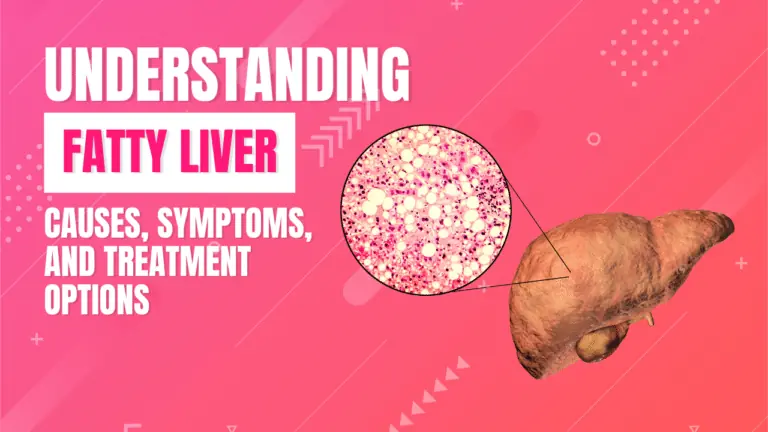
⚠️ Think Your Liver Is Fine? These 9 Symptoms Could Be Signs of Fatty Liver… See More 👇

👀 Before You Eat Another Avocado, Discover What Doctors Say About Its Effects on Your Body… See More 👇

Before You Ignore Another Leg Cramp at Night, Take a Look at These Possible Causes.

The Natural Remedy Thousands Are Trying for Aching Legs

Think Twice Before Leaving a Water Bottle in Your Car

A Simple Bedtime Habit That Could Affect Your Heart Health
Could your favorite energy drink affect your heart?

One simple change could help your suitcase reach you faster.
Millions eat eggs every day, but few know these important safety rules.

Why Every Quality Bath Towel Has This Woven Band
Doctors warn these 4 foods may hide dangerous parasites.
Pancreatic cancer is difficult to detect—learn the early clues.
How Nutrient-Dense Seeds Can Be Part of a Heart-Healthy Lifestyle
The famous "M" palm line has inspired myths, but what does it mean?
Healthy eating habits early in life may lower future disease risk.
Optimize Your Diet: The Best Times to Eat Common Foods for Overall Health
23 Possible Signs Your Kidneys May Need Attention — How Many Have You Noticed?
6 Everyday Foods You May Want to Limit for Better Bone Health and Calcium Balance…
Eating Okra Often? Doctors Say You Should Know About These Possible Effects… Check the 1st Comment 👇
😮 Why Are So Many People Adding Oregano to Their Meals? Here’s What It May Offer…
Extremely bitter vegetables may contain toxins that should never be ignored.
🩸 Bruises Appearing for No Clear Reason? Learn When They May Need Medical Attention… See More 👇
⚠️ Think Your Liver Is Fine? These 9 Symptoms Could Be Signs of Fatty Liver… See More 👇