
Dealing With Chest and Throat Mucus? Here’s a Gentle Home Remedy to Consider
A Simple Traditional Remedy That May Help Soothe Chest and Throat Mucus
Health 04/08/2026 11:34
Fresh homemade juices have become increasingly popular among people looking for convenient ways to enjoy more fruits and vegetables. While no single drink can guarantee perfect health or replace a balanced diet, combining nutrient-rich ingredients can create a refreshing beverage that contributes valuable vitamins, minerals, and plant compounds.
One combination that has gained attention is pineapple, turmeric, carrot, and lemon juice. This colorful blend offers a balance of natural sweetness, gentle spice, and bright citrus flavor while providing nutrients such as vitamin C, beta-carotene, potassium, manganese, and naturally occurring phytochemicals.
Social media often promotes this juice as a miracle drink capable of "boosting immunity overnight," "detoxifying the liver," or "preventing disease." However, the scientific evidence tells a more balanced story. Each ingredient contains compounds that may support health as part of a nutritious diet, but no juice can replace healthy eating, regular exercise, adequate sleep, vaccinations, or appropriate medical care.
Let's take a closer look at what makes this juice popular, what science says about its ingredients, and how to prepare it at home.
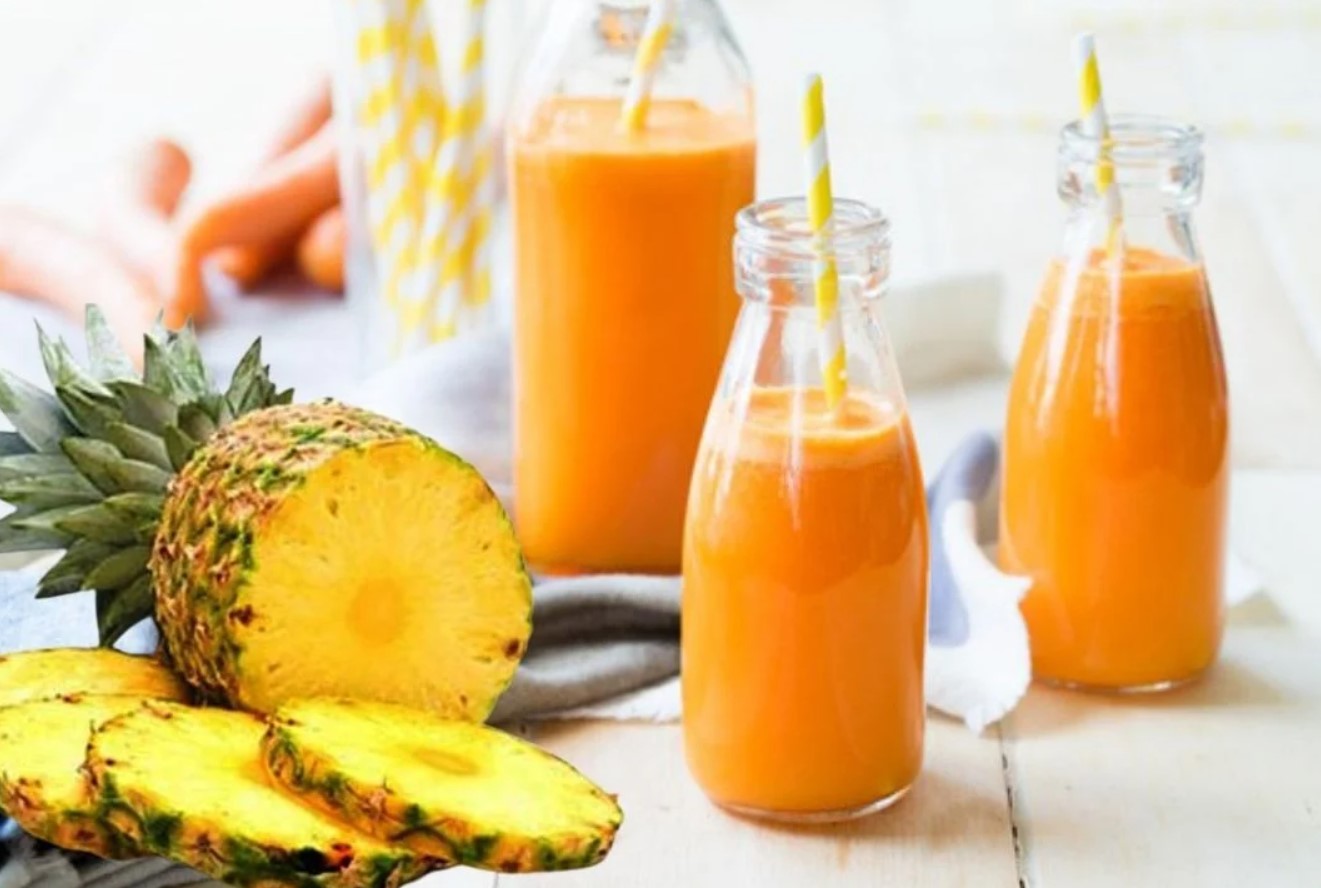
Each ingredient contributes something unique.
Pineapple adds natural sweetness, vitamin C, manganese, and the enzyme bromelain.
Carrots provide beta-carotene, which the body converts into vitamin A.
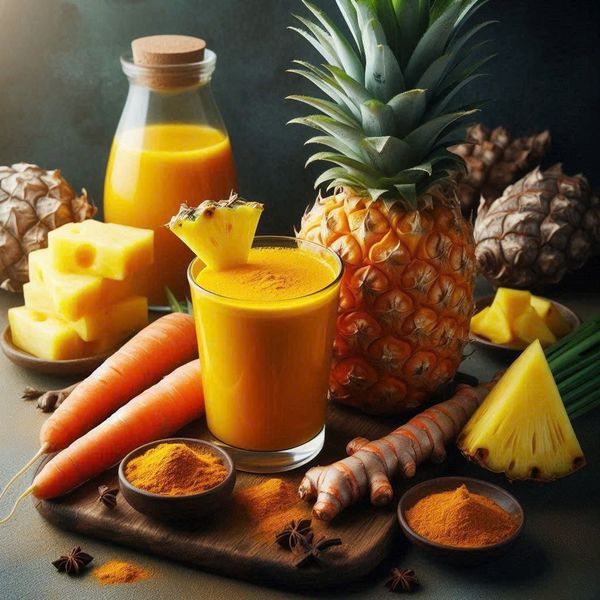
Turmeric contributes curcumin and other naturally occurring compounds that have been widely studied.
Lemon adds brightness, vitamin C, and acidity that balances the sweetness of the pineapple and carrots.
Together, they create a refreshing drink that is both flavorful and nutrient-rich.
Pineapple is more than a tropical fruit with a sweet taste.
It contains several nutrients that support normal body functions, including:
Vitamin C
Manganese
Fiber (when eaten whole)
Potassium
Various antioxidants
One of pineapple's most interesting natural compounds is bromelain, a mixture of enzymes found primarily in the fruit and stem.
Researchers have studied bromelain for potential roles related to digestion and inflammation, although many studies involve concentrated extracts rather than ordinary amounts found in fresh pineapple.
Vitamin C helps support several aspects of immune function.
It contributes to:
Normal immune cell activity
Collagen production
Wound healing
Antioxidant protection
However, it's important to understand what vitamin C cannot do.
Drinking one glass of pineapple juice will not instantly strengthen your immune system or prevent viral infections.
Instead, vitamin C works best as part of an overall balanced diet that consistently provides adequate nutrition.
The bright orange color of carrots comes from beta-carotene, a naturally occurring carotenoid.
Your body converts beta-carotene into vitamin A as needed.
Vitamin A supports:
Normal vision
Immune function
Skin health
Growth and development
Maintenance of mucous membranes
Because vitamin A helps maintain the lining of the respiratory and digestive tracts, it plays an important role in helping these tissues function as protective barriers.
Potassium
Vitamin K
Fiber (mainly when eaten whole)
Various antioxidants
When carrots are juiced, much of the fiber is removed.
For this reason, eating whole carrots remains nutritionally beneficial alongside enjoying fresh juice.
Turmeric has been used in cooking for thousands of years.
Its characteristic yellow color comes largely from compounds called curcuminoids, especially curcumin.
Curcumin has been widely studied for potential effects on:
Inflammation
Oxidative stress
Joint health
Metabolic health
However, most research uses concentrated supplements rather than the small amount of turmeric added to homemade juice.
One interesting challenge is that curcumin isn't absorbed particularly well by the body.
Some recipes include:
Black pepper
Healthy fats
because compounds such as piperine (from black pepper) may increase curcumin absorption.
If you're making this juice, adding a small pinch of black pepper is optional, but it's a common culinary practice.
Lemon contributes:
Vitamin C
Potassium
Flavonoids
Fresh citrus flavor
Its acidity also helps balance the sweetness of pineapple and carrots, creating a brighter, more refreshing drink.
Some people claim lemon water "alkalizes" the body.
This is misleading.
Your body carefully regulates blood pH through the lungs and kidneys.
Lemon juice does not dramatically change your body's overall pH.
This is one of the most common questions.
The answer is:
Potentially—but not in the way many viral posts suggest.
The nutrients found in this juice, particularly:
Vitamin C
Vitamin A (from beta-carotene)
Various antioxidants
contribute to normal immune function.
However, immunity depends on far more than one beverage.
Healthy immune function also relies on:
Adequate sleep
Regular physical activity
Balanced nutrition
Stress management
Vaccinations when appropriate
Managing chronic medical conditions
There is no "immune-boosting juice" that can prevent every illness.
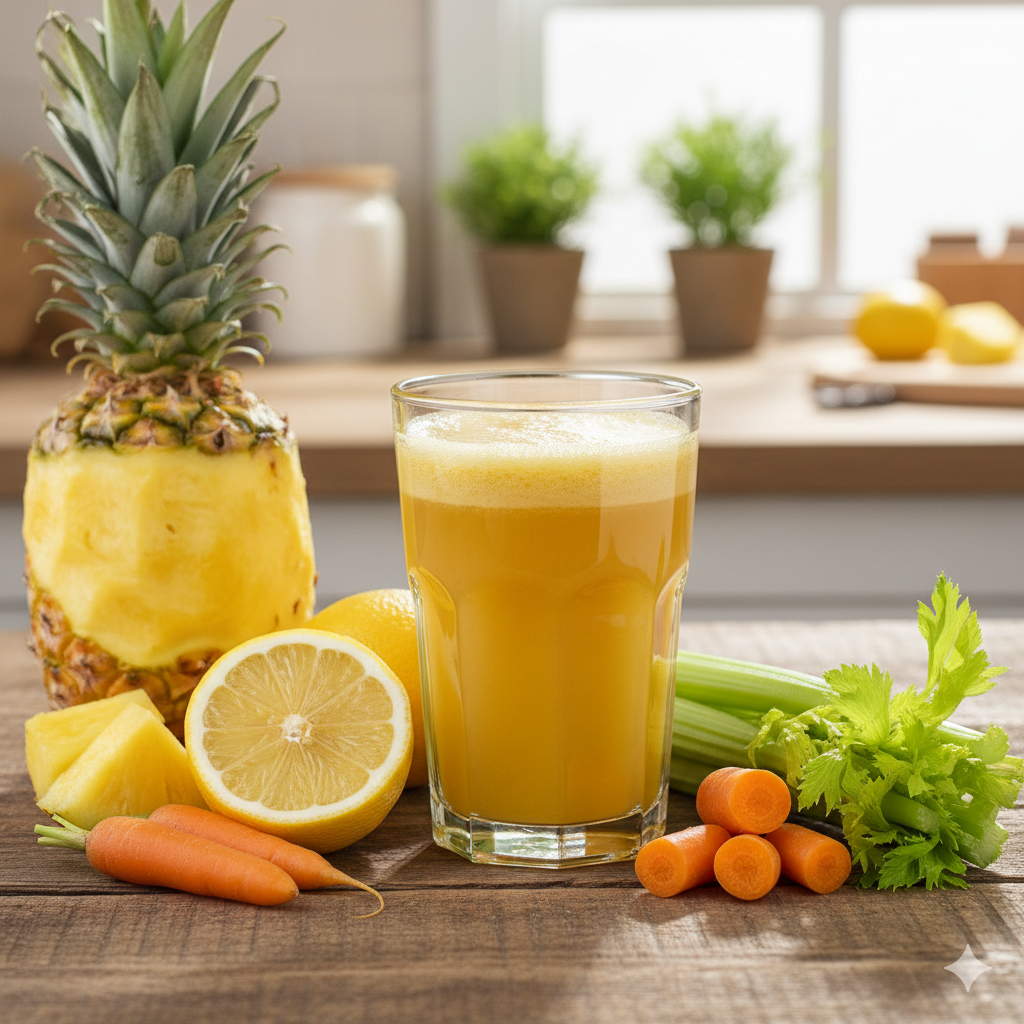
Each ingredient contains naturally occurring antioxidants.
These include:
Vitamin C
Carotenoids
Polyphenols
Curcuminoids
Antioxidants help neutralize unstable molecules produced during normal metabolism and environmental exposure.
However, antioxidants don't "flush toxins" out of the body.
Your liver and kidneys already perform the body's natural detoxification processes.
This is probably the biggest misconception.
Your body does not require special juices to detox.
Your liver processes substances continuously.
Your kidneys filter waste from the bloodstream.
Your lungs, digestive tract, and skin also contribute to waste elimination.
This juice supports nutrition—but it does not replace these natural functions.
Some people enjoy drinking this juice before breakfast because it feels refreshing.
Several ingredients may contribute to digestive comfort.
Contains bromelain, which has been studied for digestive effects.
Adds acidity and flavor that some people find refreshing.
Has long been used traditionally in cooking and herbal practices.
When eaten whole, carrots provide fiber that supports digestive health.
Remember, however, that juicing removes much of the natural fiber.
Although homemade juice can be nutritious, whole fruits and vegetables generally provide more fiber.
Fiber supports:
Digestive health
Healthy bowel function
Blood sugar regulation
Satiety
Drinking juice is not necessarily "better" than eating the whole ingredients.
Ideally, include both in your diet.
Turmeric is often promoted as a natural anti-inflammatory ingredient.
Laboratory and clinical research has explored curcumin's effects on inflammatory pathways.
Some findings are promising.
However, the amount of turmeric in one homemade juice is much smaller than the doses used in many studies.
Rather than expecting dramatic effects, think of turmeric as one component of a healthy dietary pattern.
Each ingredient contributes nutrients associated with overall cardiovascular health.
Examples include:
Found in carrots, pineapple, and lemon.
Potassium helps support normal blood pressure regulation as part of a balanced diet.
Various plant compounds contribute to overall dietary quality.
This juice contains virtually no saturated fat.
However, no juice can compensate for smoking, uncontrolled hypertension, high cholesterol, or physical inactivity.
Many people assume fruit juice is automatically healthy.
The reality is more nuanced.
Pineapple and carrots contain natural sugars.
When juiced, the fiber content decreases, allowing sugars to be absorbed more quickly.
If you have diabetes or prediabetes, portion size matters.
You may wish to:
Drink a smaller serving
Pair the juice with a protein-rich meal
Discuss your dietary plan with your healthcare provider
Homemade juice is usually preferable to many commercial juices that contain added sugar.
No juice melts fat.
Weight loss primarily depends on maintaining an appropriate energy balance over time.
However, this juice may fit into a healthy eating plan if it replaces sugar-sweetened beverages.
For example, replacing soda with fresh homemade juice may improve overall nutrient intake.
Still, moderation is important because juice contains calories.
Even healthy foods can contribute excess calories when consumed in very large amounts.
A reasonable serving is often around:
1 small glass (about 200–250 ml)
rather than several large glasses throughout the day.
2 cups fresh pineapple chunks
2 medium carrots
1 small piece of fresh turmeric (or about ½ teaspoon turmeric powder)
Juice of ½ to 1 lemon
½ cup cold water (optional)
Ice cubes (optional)
Optional additions:
Small piece of fresh ginger
Pinch of black pepper
Fresh mint leaves
Wash all produce thoroughly.
Peel the carrots if desired.
Chop the pineapple and carrots into small pieces.
Add the pineapple, carrots, turmeric, lemon juice, and water to a blender.
Blend until smooth.
Strain if you prefer a smoother texture, though keeping the pulp preserves more fiber.
Serve immediately over ice.
For many healthy adults, this juice can be enjoyed as part of a varied diet.
However, variety matters.
Different fruits and vegetables provide different nutrients.
Rather than drinking the exact same juice every day, consider rotating ingredients such as:
Oranges
Apples
Berries
Spinach
Cucumber
Celery
This increases dietary diversity.
Although the ingredients are generally safe as foods, some people should exercise caution.
Large amounts of turmeric supplements not necessarily normal culinary amounts - may interact with certain medications.
Fruit juice may raise blood glucose more rapidly than whole fruit.
Monitor portions and discuss dietary choices with your healthcare provider.
Some individuals with advanced kidney disease require personalized recommendations regarding potassium intake.
Consult your healthcare provider if you have dietary restrictions.
High-dose turmeric supplements may not be appropriate for everyone with gallbladder disease.
Food-level amounts are generally different from concentrated supplements.
No food or juice can guarantee that you won't catch a cold.
Healthy nutrition supports normal immune function but does not make you immune to infections.
Your liver continuously performs its own detoxification processes.
Juice does not "flush toxins" from the liver.
Drinking several liters every day will not multiply the benefits.
Moderation remains important.
Whole fruits generally provide more fiber and greater satiety.
Juice should complement—not replace—whole fruits and vegetables.
Avoid adding sugar.
Keep the pulp whenever possible.
Use fresh ingredients.
Drink it soon after preparation.
Pair it with a balanced breakfast rather than relying on juice alone.
Instead of expecting one drink to transform your health, build a balanced routine.
Start your day with:
This fresh juice (small serving)
A protein-rich breakfast
Whole grains
Healthy fats
Plenty of water
Healthy habits work together.
Pineapple, turmeric, carrot, and lemon juice is a flavorful, colorful beverage that provides vitamins, minerals, and beneficial plant compounds. Ingredients such as vitamin C, beta-carotene, bromelain, and curcumin contribute to a nutrient-rich diet and may support overall health when consumed as part of a balanced eating pattern.
However, it's important to keep expectations realistic. This juice is not a cure for illness, a detox drink, or a substitute for medical care. While it may help increase your intake of fruits and vegetables, it works best alongside other healthy habits, including regular exercise, adequate sleep, stress management, and routine healthcare.
If you're looking for a refreshing homemade beverage that's naturally sweet, rich in nutrients, and easy to prepare, pineapple, turmeric, carrot, and lemon juice is an excellent option.
Enjoy it because it tastes great, helps you incorporate more plant foods into your diet, and offers a variety of beneficial nutrients not because it's a miracle cure.
Small, consistent choices often have a much greater impact on long-term health than any single "superfood" or trendy drink. A balanced diet filled with colorful fruits, vegetables, whole grains, lean proteins, and healthy fats remains one of the most reliable ways to support your overall well-being.
A Simple Traditional Remedy That May Help Soothe Chest and Throat Mucus
Could Raw Vegetables Carry Parasites? 7 Types That Deserve Extra Care Before Eating

A Simple Lemon Recipe That May Support Healthy Blood Sugar Levels Naturally

The Comforting Combination of Lemon and Cinnamon: A Tea Worth Trying
Could These Be Early Signs of Stomach Cancer? 8 Symptoms to Know

12 Little-Known Secrets Behind the Power of Coconut Water

A 50-Year-Old Man’s Daily Coffee Routine May Have Contributed to Severe Kidney Failure

Certain Physical Changes Could Mean Your Heart Needs Medical Attention

nakes Around Your Property? Here Are 3 Practical Ways to Help Reduce the Chances of Encounters Seeing a snake near your home can be frightening, especially if it happens repeatedly.

32 Warning Signs That May Indicate Magnesium Deficiency

9 Warning Signs of Appendicitis You Should Never Ignore

Doctors reveal that eating eggs in the morning causes ... See more

The body often whispers before it starts to scream. Here are the signs

Doctors and Hygiene Experts Explain What Happens When You Pee in the Shower

Is Coconut Water Good for Your Kidneys? Here's What Current Evidence Suggests

The Breakfast Swap That Changed Everything for This 64-Year-Old Woman

Can traditional animal fat be part of a healthy diet?

Nighttime leg cramps can strike suddenly—but simple habits may help reduce them.

Could your daily fruit habit be doing more than you think?
A Simple Traditional Remedy That May Help Soothe Chest and Throat Mucus

The Girl Who Chose Love Over Everything

He Couldn’t Remember Her Name, But He Missed Her Every Day
Could Raw Vegetables Carry Parasites? 7 Types That Deserve Extra Care Before Eating
A Simple Lemon Recipe That May Support Healthy Blood Sugar Levels Naturally
The Comforting Combination of Lemon and Cinnamon: A Tea Worth Trying

The Coffee He Brought Me Every Morning Was a Lie
Could These Be Early Signs of Stomach Cancer? 8 Symptoms to Know
12 Little-Known Secrets Behind the Power of Coconut Water
A 50-Year-Old Man’s Daily Coffee Routine May Have Contributed to Severe Kidney Failure

The Wedding That Stopped at the 59th Minute
Certain Physical Changes Could Mean Your Heart Needs Medical Attention
nakes Around Your Property? Here Are 3 Practical Ways to Help Reduce the Chances of Encounters Seeing a snake near your home can be frightening, especially if it happens repeatedly.
32 Warning Signs That May Indicate Magnesium Deficiency
9 Warning Signs of Appendicitis You Should Never Ignore
Doctors reveal that eating eggs in the morning causes ... See more
The body often whispers before it starts to scream. Here are the signs
Doctors and Hygiene Experts Explain What Happens When You Pee in the Shower
Is Coconut Water Good for Your Kidneys? Here's What Current Evidence Suggests