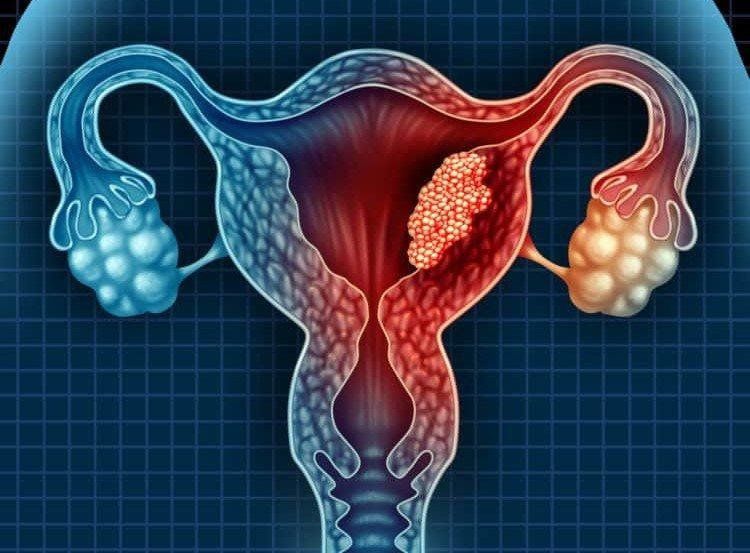
Ovarian cancer can be difficult to recognize because its early symptoms are often subtle and can resemble common digestive, hormonal, or menstrual problems. Bloating, abdominal discomfort, changes in appetite, or feeling tired may have many harmless explanations.
That is exactly why ovarian cancer can sometimes go unnoticed.
The important thing to remember is that having one or more of these symptoms does not mean you have ovarian cancer. Most of these symptoms are much more commonly caused by other conditions. What matters is whether a symptom is new, persistent, worsening, or unusual for you, particularly when several symptoms occur together.
Recognizing possible warning signs can help you know when it's time to speak with a healthcare professional.
1. Persistent Bloating
Bloating is one of the symptoms most commonly associated with ovarian cancer.
Almost everyone experiences occasional bloating, especially after eating a large meal or consuming certain foods. However, persistent bloating is different.
You may notice that:
-
Your abdomen feels unusually full or tight
-
Your clothes suddenly feel tighter around your waist
-
The swelling doesn't seem to disappear
-
Bloating occurs repeatedly without an obvious explanation
Ovarian cancer can sometimes cause abdominal swelling because of a tumor, changes in the digestive system, or a buildup of fluid in the abdomen called ascites.
Still, persistent bloating has many other possible causes, including constipation, irritable bowel syndrome, food intolerance, and hormonal changes.
If bloating is new and continues for several weeks, it is worth discussing with a doctor.
2. Pelvic or Abdominal Pain
Another possible symptom is persistent pain or pressure in the pelvis or lower abdomen.
Some women describe the sensation as:
-
Aching
-
Pressure
-
Cramping
-
Fullness
-
A dull pain that comes and goes
-
Discomfort that gradually becomes more frequent
The location and intensity can vary.
Pelvic pain is extremely common and can be caused by menstrual cramps, ovarian cysts, endometriosis, urinary problems, gastrointestinal conditions, and many other issues.
The key concern is persistent or unexplained pain, particularly when it represents a noticeable change from your usual symptoms.
3. Feeling Full Quickly
Have you suddenly started feeling full after eating only a small amount?
This is known as early satiety.
Instead of finishing a normal meal, you might find yourself becoming uncomfortable after only a few bites.
Possible explanations include:
-
Digestive disorders
-
Acid reflux
-
Gastritis
-
Constipation
-
Stress
-
Changes in appetite
-
Other gastrointestinal problems
However, ovarian cancer can sometimes affect abdominal organs or cause fluid accumulation, potentially leading to a feeling of fullness.
If early satiety persists and is accompanied by bloating, abdominal discomfort, or unexplained weight changes, seek medical advice.
4. Changes in Appetite
Some people with ovarian cancer may experience a noticeable reduction in appetite.
Food that normally seems appealing may suddenly become less interesting.
You might also notice that:
-
You get full more quickly
-
You don't feel hungry at normal mealtimes
-
Certain foods suddenly become unappealing
-
You are eating significantly less than usual
A temporary appetite change is common and may occur because of stress, illness, medication, or hormonal changes.
But persistent unexplained appetite loss deserves attention, especially if it leads to unintended weight loss.
5. Unexplained Weight Changes
Unintentional weight loss can occur with many medical conditions, including some cancers.
If you are losing weight without intentionally changing your diet or exercise routine, don't simply assume it's due to stress or getting older.
Ovarian cancer may affect appetite and digestion, potentially contributing to weight loss.
However, other causes can include:
-
Thyroid disorders
-
Diabetes
-
Gastrointestinal disease
-
Chronic infections
-
Depression
-
Medication side effects
-
Other cancers
A doctor can help determine the underlying cause.
6. Changes in Bowel Habits
Ovarian cancer can sometimes cause gastrointestinal symptoms.
These may include:
-
Constipation
-
Diarrhea
-
Increased gas
-
Abdominal discomfort
-
Feeling that you need to have a bowel movement
-
Changes in your normal bowel pattern
The problem is that these symptoms are incredibly common.
Constipation, for example, can result from dehydration, insufficient fiber, medications, reduced activity, or irritable bowel syndrome.
What deserves more attention is a persistent change that doesn't return to your normal pattern, especially when it occurs alongside pelvic pain or abdominal swelling.
7. More Frequent or Urgent Urination
Another possible symptom is a noticeable change in urination.
You may feel:
-
An urgent need to urinate
-
The need to urinate more frequently
-
Increased pressure on the bladder
-
A sudden change in your usual urinary pattern
A growing pelvic mass can sometimes put pressure on nearby structures, including the bladder.
But urinary symptoms are much more commonly caused by conditions such as urinary tract infections, overactive bladder, pelvic floor problems, or other urinary disorders.
If urinary urgency or frequency persists, medical evaluation can help identify the cause.
8. Persistent Back Pain
Some women with ovarian cancer experience back discomfort, particularly in the lower back.
This can happen when disease affects structures within the pelvis or abdomen.
But back pain is one of the most common symptoms in the general population.
Muscle strain, poor posture, arthritis, spinal problems, and physical activity are far more common explanations.
Back pain becomes more concerning when it is:
-
New and persistent
-
Unexplained
-
Accompanied by abdominal or pelvic symptoms
-
Associated with unexplained weight loss
-
Progressively worsening
9. Unusual Vaginal Bleeding
Unexpected vaginal bleeding should always be evaluated, particularly after menopause.
Examples include:
-
Bleeding between periods
-
Heavier-than-usual menstrual bleeding
-
Bleeding after sex
-
Bleeding after menopause
-
Unusual spotting
Ovarian cancer is not the most common cause of abnormal vaginal bleeding.
Other causes include hormonal changes, fibroids, polyps, infections, medications, and problems involving the uterus or cervix.
Nevertheless, postmenopausal bleeding should not be ignored.
10. Changes in Menstrual Patterns
Changes in menstrual cycles can have numerous explanations.
Periods may become:
-
Irregular
-
Heavier
-
Lighter
-
More painful
-
More frequent
-
Less frequent
Hormonal fluctuations, perimenopause, thyroid conditions, stress, pregnancy, contraceptives, and other gynecological conditions can all affect menstruation.
Because menstrual changes are nonspecific, they cannot be used alone to diagnose ovarian cancer.
If your normal cycle changes significantly or persistently, discuss it with a healthcare professional.
11. Persistent Fatigue
Fatigue is another symptom that can occur with many different conditions.
With cancer, fatigue may result from several factors, including inflammation, changes in metabolism, anemia, reduced appetite, poor sleep, or the body's response to illness.
You may notice that ordinary activities suddenly feel exhausting.
For example:
-
Walking short distances feels unusually difficult
-
You need more naps
-
You struggle to concentrate
-
You feel tired even after sleeping
Persistent fatigue doesn't automatically indicate cancer.
But unexplained fatigue that continues for weeks deserves evaluation.
12. Pain During Sex
Pain during sexual activity, known medically as dyspareunia, can sometimes occur with ovarian or other gynecological conditions.
It may feel like:
-
Deep pelvic pain
-
Pressure
-
Cramping
-
Burning or irritation
More common causes include vaginal dryness, infections, endometriosis, pelvic floor dysfunction, and hormonal changes.
If pain during sex is new or persistent, it shouldn't simply be accepted as normal.
A gynecological evaluation can help identify the cause.

13. Abdominal Swelling That Doesn't Go Away
There's an important difference between ordinary bloating and persistent abdominal enlargement.
Temporary bloating often changes throughout the day.
Persistent swelling may remain noticeable and can sometimes be accompanied by:
-
A feeling of pressure
-
Increasing abdominal size
-
Shortness of breath
-
Reduced appetite
-
Rapid changes in weight
In advanced ovarian cancer, ascites, or fluid accumulation in the abdomen, can cause significant swelling.
However, ascites can also occur with liver disease, heart failure, infections, and other medical conditions.
It requires medical evaluation regardless of the cause.
14. Indigestion or Heartburn
Some women with ovarian cancer may experience digestive discomfort such as:
-
Indigestion
-
Heartburn
-
Nausea
-
Gas
-
Abdominal fullness
These symptoms are much more commonly caused by ordinary gastrointestinal conditions.
The concern is when they represent a new, persistent change, particularly when several symptoms appear together.
For example, persistent indigestion combined with bloating, early satiety, and unexplained weight loss warrants a medical conversation.
Why Ovarian Cancer Symptoms Can Be So Easy to Miss
The ovaries are located deep within the pelvis.
Early changes may not cause a noticeable lump or obvious external symptom.
In addition, many ovarian cancer symptoms overlap with common digestive and reproductive problems.
A woman might experience bloating and think:
"I must have eaten something that didn't agree with me."
Or pelvic discomfort and think:
"It's probably just my period."
Often, those explanations are correct.
But persistent symptoms that are unusual for you deserve a closer look.
Who Has a Higher Risk of Ovarian Cancer?
Anyone with ovaries can potentially develop ovarian cancer, but some factors increase risk.
These can include:
-
Increasing age
-
Certain inherited genetic mutations
-
Strong family history of ovarian or breast cancer
-
Certain hereditary cancer syndromes
-
Some reproductive and hormonal factors
Having a risk factor does not mean you will develop ovarian cancer.
Likewise, someone without obvious risk factors can still develop the disease.
Family History Can Be Important
If multiple close relatives have had ovarian, breast, fallopian tube, pancreatic, or certain other cancers, tell your healthcare provider.
Some inherited genetic changes can significantly increase ovarian cancer risk.
In appropriate situations, genetic counseling and testing can help clarify individual risk and guide prevention or screening decisions.
Is There a Routine Screening Test for Everyone?
This is an important distinction.
Unlike cervical cancer, there is no universally recommended routine screening test for ovarian cancer in average-risk women who have no symptoms.
Tests such as transvaginal ultrasound and the CA-125 blood test may be used in certain clinical situations, but they are not reliable enough to serve as a general screening program for everyone.
If you're at high genetic risk, your healthcare team may recommend a different strategy.
How Is Ovarian Cancer Diagnosed?
If symptoms or examination findings raise concern, a healthcare professional may use several tools.
These can include:
Pelvic Examination
A doctor may check for abnormalities in the pelvic area.
Ultrasound
A pelvic or transvaginal ultrasound can provide images of the ovaries and surrounding structures.
Blood Tests
The CA-125 blood test may be useful in certain circumstances, but it is not specific for ovarian cancer.
CA-125 can also rise with conditions such as:
-
Endometriosis
-
Fibroids
-
Menstruation
-
Pelvic infections
-
Pregnancy
-
Other conditions
Imaging
CT or MRI scans may be used depending on the situation.
Biopsy or Surgery
Definitive diagnosis generally requires examination of tissue by a pathologist.
Don't Assume Every Ovarian Cyst Is Cancer
Ovarian cysts are common, particularly during the reproductive years.
Many are:
-
Benign
-
Temporary
-
Related to normal ovulation
Some cysts disappear without treatment.
Others may require monitoring or treatment depending on their size, appearance, symptoms, and the person's age and medical history.
An ovarian cyst does not automatically mean ovarian cancer.
What Can You Do to Support Your Long-Term Health?
There is no guaranteed way to prevent ovarian cancer, but several general health habits are beneficial.
Don't Smoke
Avoiding tobacco reduces the risk of many diseases and cancers.
Limit Alcohol
Alcohol is associated with several cancers, so limiting consumption can support overall cancer prevention.
Maintain a Healthy Weight
Excess body weight is associated with several chronic diseases and some cancers.
Stay Physically Active
Regular activity supports cardiovascular and metabolic health.
Eat a Varied Diet
Focus on vegetables, fruits, whole grains, legumes, nuts, and other minimally processed foods.
Know Your Family History
This can be particularly important when hereditary cancer risk is possible.
Be Careful With Online "Cancer Prevention" Claims
You may see products or diets claiming to:
-
"Cleanse the ovaries"
-
"Kill cancer cells naturally"
-
"Prevent ovarian cancer"
-
"Remove ovarian toxins"
These claims are not a substitute for evidence-based medical care.
No particular food, tea, supplement, or detox program has been proven to guarantee protection against ovarian cancer.
If you have symptoms, getting an appropriate evaluation is much more valuable than trying an unproven remedy.
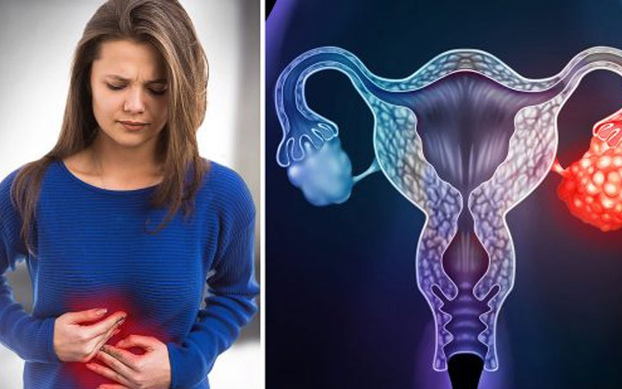
When Should You See a Doctor?
Consider making an appointment if you develop symptoms that are:
-
New
-
Persistent
-
Frequent
-
Getting worse
-
Unusual for you
-
Occurring in combination
Particularly important combinations include:
Persistent bloating + pelvic pain
Early fullness + unexplained weight loss
Abdominal swelling + appetite loss
Urinary changes + pelvic pressure
Persistent digestive symptoms + unexplained fatigue
Again, these combinations don't prove cancer. They simply make medical evaluation more important.
When Should You Seek Urgent Care?
Severe or sudden symptoms shouldn't be ignored.
Seek urgent medical attention for symptoms such as:
-
Severe abdominal or pelvic pain
-
Fainting
-
Significant vaginal bleeding
-
Severe vomiting
-
Difficulty breathing
-
Sudden abdominal swelling accompanied by severe discomfort
These symptoms can have many causes, some of which require immediate treatment.
The 12 Possible Symptoms to Remember
For a quick recap, possible symptoms associated with ovarian cancer can include:
-
Persistent bloating
-
Pelvic or abdominal pain
-
Feeling full quickly
-
Reduced appetite
-
Unexplained weight loss
-
Changes in bowel habits
-
Frequent or urgent urination
-
Persistent back pain
-
Unusual vaginal bleeding
-
Changes in menstrual patterns
-
Persistent fatigue
-
Pain during sex
These symptoms are not specific to ovarian cancer, and many have much more common explanations.
The key is recognizing when something changes and doesn't return to normal.
The Bottom Line
Ovarian cancer can be difficult to recognize because its symptoms often overlap with ordinary digestive and gynecological problems.
Persistent bloating, pelvic pain, early fullness, appetite changes, unexplained weight loss, bowel or urinary changes, unusual bleeding, fatigue, and pain during sex are among the symptoms worth discussing with a healthcare professional when they are new or persistent.
The presence of these symptoms does not mean that cancer is present.
But ignoring persistent changes isn't a good strategy either.
There is also no reliable way to determine the stage of ovarian cancer based on symptoms alone. If cancer is suspected, doctors use examinations, imaging, blood tests when appropriate, and tissue diagnosis to determine what is happening.
Final Thoughts
Your body can sometimes signal that something has changed long before you know the reason.
That doesn't mean every bout of bloating or every episode of abdominal discomfort is a warning of cancer. Most aren't.
The more useful approach is to know your normal pattern and pay attention when something becomes persistent, unusual, or progressively worse.
If you've noticed several unexplained symptoms, particularly persistent abdominal or pelvic symptoms, don't try to diagnose yourself from an online checklist.
Talk with a healthcare professional, explain exactly what has changed, and ask whether further evaluation is appropriate. Early medical attention can help identify the cause - whether it's a common digestive condition, a gynecological problem, or something that needs more serious investigation.