Postmenopausal Women Are at High Risk of Osteoporosis: If You’re Not in These 3 Groups, Consider Yourself Lucky
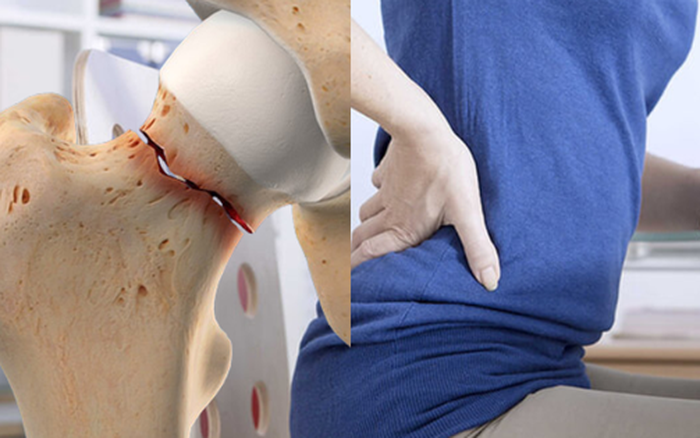
Menopause is often associated with symptoms like hot flashes, mood swings, and irregular periods. However, what many people overlook is its strong connection to osteoporosis—a silent condition that can seriously affect long-term health.
Why Does Osteoporosis Increase After Menopause?
Estrogen plays a crucial role in maintaining bone health. When estrogen levels decline during menopause, the balance between bone formation and bone breakdown is disrupted.
Bone-resorbing cells become more active, while bone-forming cells weaken. At the same time, the body absorbs calcium less efficiently. As a result, bone density decreases, bones become more fragile, and the risk of osteoporosis rises significantly.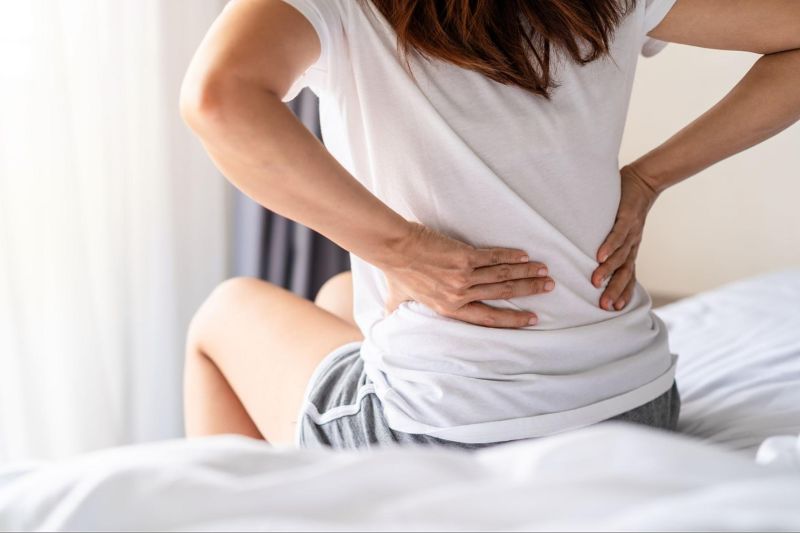
Which Women Are Most at Risk?
The article highlights three main groups of women who are more likely to develop osteoporosis after menopause:
1. Women with Uncontrollable Risk Factors
This includes:
- Early menopause (before age 45, especially before 40)
- Family history of osteoporosis or bone fractures
- Naturally small or thin body frame
The earlier menopause occurs, the higher the risk of bone loss later in life.
2. Women with Certain Medical Conditions or Long-Term Medication Use
Some chronic illnesses can interfere with bone metabolism. In addition, long-term use of specific medications may weaken bones over time.
These factors accelerate bone loss and increase the likelihood of osteoporosis, even more so after menopause.
3. Women with Unhealthy Lifestyle Habits
Although not always emphasized, lifestyle plays a major role. Poor nutrition, lack of exercise, or habits that negatively affect bone health can make osteoporosis worse.
Without proper care, bone density continues to decline silently until fractures occur.
A “Silent Killer” That Should Not Be Ignored
Osteoporosis is often called a “silent disease” because it develops without obvious symptoms. Many people only realize they have it after experiencing fractures or serious complications.
That’s why prevention and early awareness are essential—especially for women entering menopause.
The Bottom Line
While menopause naturally increases the risk of osteoporosis, not everyone is affected equally.
If you are not in the high-risk groups—such as those with early menopause, genetic predisposition, or underlying health conditions—you may have a lower risk. However, maintaining a healthy lifestyle and monitoring bone health remains essential for all women.