Potatoes are one of the most widely consumed foods in the world. From mashed potatoes and baked potatoes to soups and stews, this versatile vegetable appears in countless dishes across different cultures. Potatoes are valued not only for their taste but also for their affordability, availability, and nutritional content.
When prepared in healthy ways, potatoes can provide important nutrients such as carbohydrates, fiber, vitamins, and minerals. However, despite their benefits, potatoes may not be suitable for everyone. For certain individuals with specific health conditions or dietary restrictions, eating potatoes frequently or in large amounts may not be recommended.
Understanding both the benefits and potential concerns related to potatoes can help people make informed dietary choices.
The Nutritional Value of Potatoes
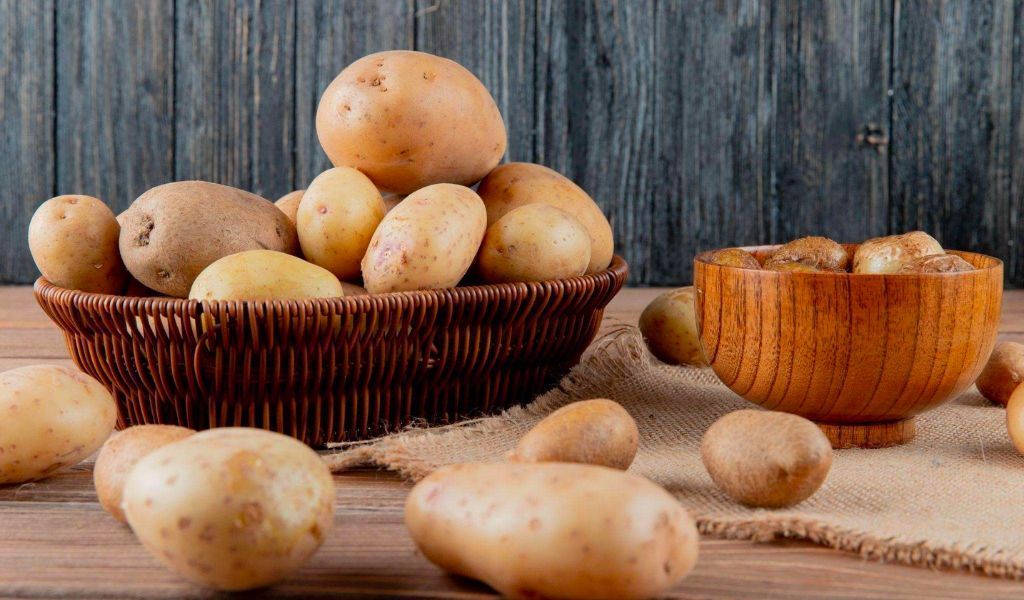
Potatoes are often misunderstood as being unhealthy, but when consumed in moderation and prepared properly, they can be part of a balanced diet.
A medium-sized potato typically provides:
-
Vitamin C
-
Potassium
-
Vitamin B6
-
Fiber (especially when eaten with the skin)
-
Complex carbohydrates
These nutrients support several bodily functions. For example, potassium helps maintain normal blood pressure, vitamin C supports the immune system, and fiber aids digestion.
In addition, potatoes are naturally fat-free and relatively low in calories when not fried or heavily processed.
The Importance of Preparation Methods
The health impact of potatoes often depends on how they are prepared.
For example:
-
Boiled or baked potatoes retain most of their nutrients.
-
Roasted potatoes can be healthy if cooked with minimal oil.
-
Fried potatoes, such as French fries or chips, may contain excessive fat and calories.
Adding large amounts of butter, cream, or cheese can also increase the calorie content significantly.
Therefore, preparation methods play a major role in determining whether potatoes are part of a healthy meal.
People Who May Need to Limit or Avoid Potatoes
Although potatoes are nutritious, certain individuals may need to consume them cautiously due to specific health conditions.
1. People With Diabetes
Potatoes contain carbohydrates that are quickly converted into glucose in the bloodstream.
Because of this, potatoes can have a relatively high glycemic index, meaning they may cause blood sugar levels to rise quickly after consumption.
For people with diabetes or those trying to manage blood sugar levels, eating large portions of potatoes may make glucose control more challenging.
However, this does not necessarily mean potatoes must be completely avoided. Eating smaller portions and combining potatoes with fiber, protein, and healthy fats can help slow digestion and reduce blood sugar spikes.
2. Individuals Trying to Manage Weight
Potatoes themselves are not inherently fattening, but they are calorie-dense due to their carbohydrate content.
In particular, fried potato products such as French fries, potato chips, and heavily buttered mashed potatoes can contribute to excessive calorie intake.
People who are trying to lose weight or manage calorie intake may need to monitor portion sizes and choose healthier preparation methods.
3. People With Kidney Problems
Potatoes contain a significant amount of potassium, which is an essential mineral for heart and muscle function.
However, individuals with certain kidney conditions may need to limit potassium intake because the kidneys may not be able to remove excess potassium efficiently.
High potassium levels in the blood can lead to serious health complications. For this reason, people with kidney disease are often advised to consult a healthcare professional about appropriate dietary choices.
4. People Sensitive to Nightshade Vegetables
Potatoes belong to the nightshade family, which also includes tomatoes, eggplants, and peppers.
Some individuals report sensitivity to nightshade vegetables and may experience symptoms such as joint discomfort or digestive issues after consuming them.
Although scientific evidence is limited, people who suspect sensitivity to nightshades may choose to reduce or avoid these foods.

5. People With Digestive Issues
Potatoes contain starch, which can sometimes cause digestive discomfort for certain individuals.
In particular, people with specific digestive conditions may find that large quantities of starchy foods cause bloating or discomfort.
Cooking methods can influence how easily potatoes are digested. For example, boiled or steamed potatoes may be easier to digest than heavily fried versions.
Green Potatoes and Safety Concerns
Another important point to consider is the presence of solanine, a natural compound found in potatoes.
When potatoes are exposed to light for long periods, they may develop green spots on their skin. This green coloration indicates increased levels of solanine.
Consuming potatoes with high levels of solanine may cause symptoms such as nausea, vomiting, or stomach discomfort.
To avoid this issue:
-
Store potatoes in a cool, dark place
-
Remove green spots before cooking
-
Avoid eating potatoes that taste unusually bitter
Proper storage helps maintain both safety and quality.
Healthy Ways to Enjoy Potatoes
For those who can safely include potatoes in their diet, choosing healthier preparation methods can maximize nutritional benefits.
Some healthy options include:
-
Baked potatoes with herbs
-
Steamed or boiled potatoes
-
Roasted potatoes with olive oil
-
Potato and vegetable soups
Pairing potatoes with vegetables, lean protein, and healthy fats can create balanced meals.
The Importance of Balance in Diet
No single food determines overall health. What matters most is the overall balance of the diet.
Potatoes can be part of a healthy eating pattern when consumed in moderation and prepared in nutritious ways. At the same time, individuals with certain health conditions may need to limit or adjust their intake.
Consulting a healthcare professional or nutrition expert can help determine what dietary choices are most appropriate for each individual.
Final Thoughts
Potatoes are a widely enjoyed and nutritious food that provide valuable vitamins, minerals, and energy. However, they may not be suitable for everyone in large quantities.
People with conditions such as diabetes, kidney disease, or certain digestive sensitivities may need to monitor or limit their consumption of potatoes.
By understanding how potatoes affect the body and choosing healthy preparation methods, individuals can make informed dietary decisions that support their overall health and wellbeing.
Ultimately, moderation and balanced nutrition remain the key principles for maintaining a healthy diet.