Pancreatic Cancer: Two Early Warning Signs That Should Never Be Ignored
Subtle symptoms can sometimes signal serious pancreatic health concerns.
⏱️ 1 min read 14/08/2026 18:09
Potatoes are one of the most popular foods in the world. They are affordable, versatile, easy to prepare, and can be turned into everything from mashed potatoes and soups to fries, baked potatoes, and crispy roasted wedges.
They also provide several useful nutrients, including potassium, vitamin C, vitamin B6, and carbohydrates. Potatoes with their skins can also contribute dietary fiber.
So why do some people need to be more careful with them?
The answer is not that potatoes are inherently unhealthy. For most people, potatoes can absolutely be part of a balanced diet. The bigger issue is that certain medical conditions, eating patterns, cooking methods, and individual sensitivities can make potatoes less suitable in particular circumstances.
Understanding these differences can help you enjoy potatoes without unnecessarily avoiding them—or eating them in ways that may work against your health goals.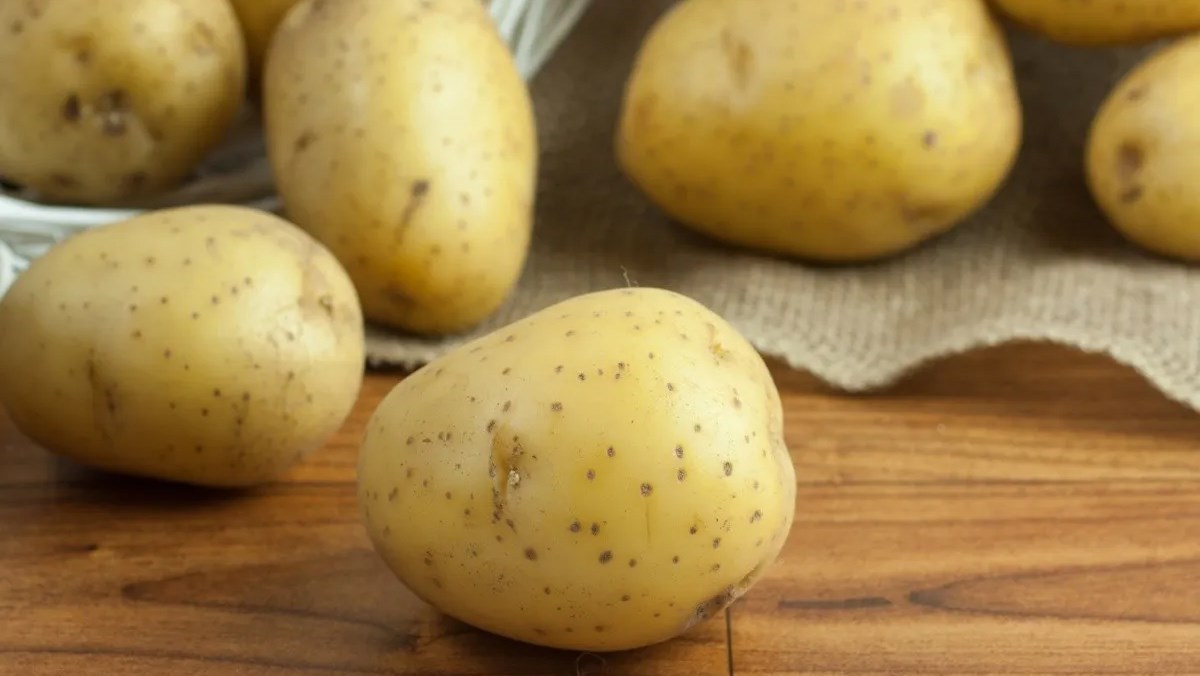
Before discussing who may need to be cautious, it is important to clear up a common misconception.
A plain potato is not the same thing as a serving of French fries or a heavily loaded baked potato.
A medium potato provides carbohydrates for energy and contains nutrients such as potassium and vitamin C. It also contains vitamin B6 and other micronutrients.
Potatoes can be especially nutritious when they are baked, boiled, steamed, or roasted with moderate amounts of added fat and salt.
The nutritional picture can change dramatically depending on what is added during preparation.
A boiled potato is very different from a large serving of deep-fried fries covered in salt and high-calorie sauces.
One group that may need to pay particular attention to potatoes is people with diabetes or impaired blood sugar regulation.
Potatoes are rich in starch, which is broken down into glucose during digestion. Depending on the type of potato, preparation method, portion size, and what the potato is eaten with, it can contribute substantially to a rise in blood glucose.
This does not mean that people with diabetes must completely eliminate potatoes.
Instead, portion size and the overall meal matter.
Eating a potato alongside protein, vegetables, healthy fats, and fiber may produce a different blood glucose response than eating a large serving of mashed potatoes by itself.
Someone managing diabetes may also find that different potato varieties or preparation methods affect their blood sugar differently.
Monitoring individual responses and following guidance from a healthcare professional or registered dietitian can be useful.
Potatoes are naturally high in potassium, an essential mineral involved in nerve function, muscle contraction, and heart function.
For healthy people, potassium is generally beneficial.
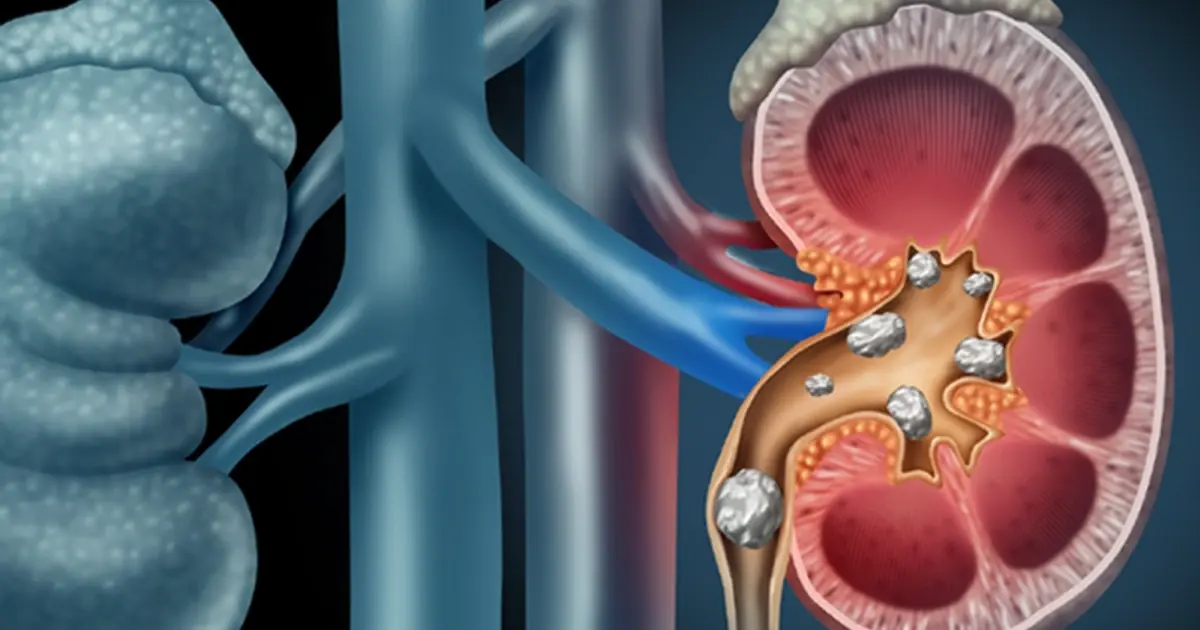
However, people with chronic kidney disease or impaired kidney function may have difficulty removing excess potassium from the blood.
In these circumstances, eating large amounts of high-potassium foods may contribute to elevated blood potassium levels.
That does not mean every person with kidney disease needs to avoid potatoes completely.
Dietary recommendations depend on kidney function, blood potassium levels, medications, and the individual's treatment plan.
Some people may be advised to reduce portions or use preparation techniques such as leaching, in which potatoes are cut into smaller pieces and soaked or boiled in water to reduce some of their potassium.
Anyone with kidney disease should follow individualized dietary advice rather than making major restrictions independently.
Potatoes themselves are not a common allergen, but some people notice digestive discomfort after eating particular potato dishes.
The problem may not actually be the potato.
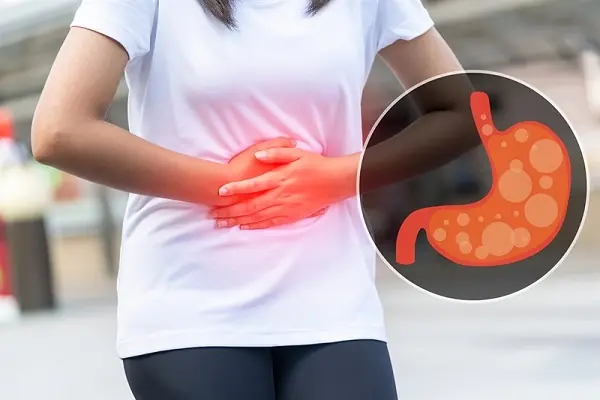
Butter, cream, cheese, spicy seasonings, large amounts of oil, or other ingredients commonly added to potatoes can contribute to bloating, indigestion, reflux, or abdominal discomfort.
For example, someone may believe potatoes cause stomach problems when the actual trigger is a large portion of creamy mashed potatoes or heavily fried food.
Preparation matters.
A simple boiled or baked potato may be tolerated much better than a greasy or heavily seasoned potato dish.
If symptoms consistently occur after eating potatoes, keeping a food diary can help identify whether the potato itself or another ingredient is responsible.
Plain potatoes are generally not considered a major trigger for acid reflux.
However, popular potato dishes often contain ingredients that can worsen symptoms for some people.
French fries, loaded baked potatoes, cheesy potato dishes, and heavily buttered mashed potatoes can be high in fat. High-fat meals may worsen reflux symptoms in some individuals by affecting digestion and the movement of stomach contents.
Spicy sauces and large meals can also trigger symptoms in susceptible people.
If you experience heartburn after eating potatoes, consider changing the preparation method rather than automatically eliminating potatoes.
A plain baked potato with vegetables and a lean protein source may be much easier to tolerate than a large serving of fried potatoes.
Potatoes have sometimes received an unfair reputation as a "fattening" food.
A plain potato is relatively filling and can fit into a weight-management diet.
The bigger issue is often how potatoes are prepared and what accompanies them.
Deep frying dramatically increases the calorie content because the potato absorbs cooking oil.
Similarly, adding large amounts of butter, cheese, cream, bacon, or high-calorie sauces can transform a relatively simple food into a very calorie-dense meal.
This is why portion size and preparation are more useful considerations than simply labeling potatoes as "good" or "bad."
A baked potato with vegetables and a source of lean protein can be very different nutritionally from a large serving of fries with a creamy dipping sauce.
Potatoes belong to the nightshade family, which also includes tomatoes, peppers, and eggplants.
Nightshade vegetables contain naturally occurring compounds called glycoalkaloids, including solanine and chaconine.
These compounds help protect plants from pests.
Normally, the levels present in properly stored and prepared potatoes are low and do not pose a problem for most people.
However, potatoes that have become green, heavily sprouted, bitter, or damaged can contain higher concentrations of glycoalkaloids.
This is one reason food safety experts recommend being cautious with potatoes that have developed extensive greening or significant sprouting.
Cooking does not reliably eliminate all of these compounds.
If a potato tastes unusually bitter or has substantial green discoloration, it is safer not to eat it.
Food reactions vary significantly between individuals.
Some people may experience symptoms they associate with potatoes, although true potato allergy is relatively uncommon.
Possible allergic reactions can include itching, hives, swelling, digestive symptoms, or breathing difficulties.
A serious allergic reaction can be life-threatening.
If someone repeatedly experiences immediate symptoms after eating potatoes, they should discuss the problem with a healthcare professional or allergist rather than simply assuming that potatoes are universally harmful.
It is also important to distinguish an allergy from an intolerance or digestive sensitivity, because these conditions are not the same.
Potassium levels can be influenced not only by kidney function but also by certain medications.
Some blood-pressure medications and other drugs can increase potassium levels in the bloodstream.
For people taking medications that affect potassium balance, consuming very large amounts of high-potassium foods may sometimes require additional consideration.
This does not mean potatoes automatically need to be removed from the diet.
Instead, medication use, kidney function, and blood test results should be considered together.
If you take prescription medications regularly, your doctor or pharmacist can tell you whether potassium-rich foods are something you need to monitor.
One of the biggest differences between healthy and less healthy potato dishes is the cooking method.
Boiled potatoes can be a simple, nutritious choice.
They require little or no added fat, and they can be paired with vegetables and a protein source.
Baked potatoes can also be nutritious, especially when the skin is eaten and toppings are kept reasonable.
Instead of loading a potato with large amounts of butter and cheese, consider vegetables, beans, plain yogurt, herbs, or a moderate amount of olive oil.
Roasting can create excellent flavor, but the amount of oil matters.
A light coating can provide crispness without turning the dish into a high-calorie meal.
French fries are where the nutritional picture changes significantly.
Deep frying adds substantial fat and calories, while restaurant fries can also contain considerable amounts of sodium.
Eating them occasionally is not necessarily a problem for a healthy person, but making fried potatoes a daily staple is a different matter.
The skin of a potato contains additional fiber and nutrients.
For potatoes that are fresh, properly stored, and thoroughly washed, leaving the skin on can increase the nutritional value of the meal.
However, the skin should not be eaten if the potato is severely green, rotten, or otherwise spoiled.
Food safety comes first.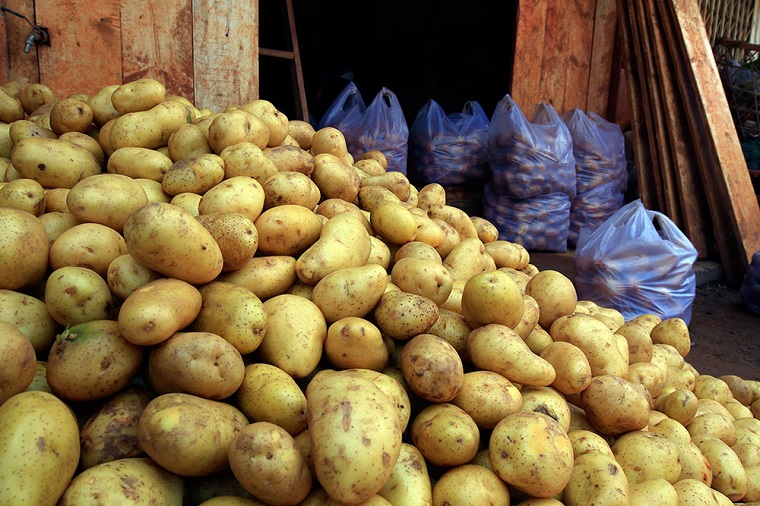
There is another interesting aspect of potato nutrition.
When cooked potatoes are cooled, some of their starch can become resistant starch.
Resistant starch is not digested in the same way as ordinary starch and can reach the large intestine, where gut bacteria can ferment it.
This means that cooling and then eating potatoes can alter their carbohydrate characteristics.
However, this does not turn fries or heavily processed potato dishes into health foods.
The overall ingredients, portion size, cooking method, and dietary pattern still matter.
One of the biggest mistakes people make with nutrition is thinking in terms of individual foods being completely "healthy" or "unhealthy."
Potatoes demonstrate why this approach can be misleading.
A modest serving of boiled potatoes alongside fish and vegetables can be part of a nutritious meal.
A huge serving of fries with a burger, sugary drink, and high-calorie sauce is a very different meal.
The potato itself is only one component.
Your overall dietary pattern matters much more than whether you occasionally eat one particular food.
If you enjoy potatoes and have no medical reason to restrict them, there are several simple ways to make them work within a healthy eating pattern.
Choose baked, boiled, steamed, or lightly roasted potatoes more often than deep-fried versions.
Keep added butter, cream, cheese, and high-sodium sauces moderate.
Pair potatoes with vegetables and a good source of protein.
Pay attention to portion sizes if you are managing blood sugar or trying to reduce calorie intake.
Keep potatoes stored properly and avoid eating potatoes that are significantly green, bitter, or spoiled.
And if you have kidney disease, diabetes, or another condition requiring dietary restrictions, follow individualized medical advice.
If you repeatedly experience symptoms after eating potatoes, it is worth discussing them with a healthcare professional.
This is especially important if symptoms include swelling, hives, difficulty breathing, severe abdominal pain, persistent vomiting, or other significant reactions.
People with kidney disease should also discuss their potassium intake with their medical team.
Likewise, anyone with diabetes who has difficulty controlling blood glucose may benefit from working with a healthcare professional or dietitian to determine appropriate carbohydrate portions.
Potatoes are not inherently unhealthy, and most people can enjoy them as part of a balanced diet.
The people who may need to be more cautious include those managing diabetes, chronic kidney disease, certain digestive problems, food reactions, or conditions and medications that affect potassium balance.
For everyone else, the bigger concern is often how potatoes are prepared, how much is eaten, and what they are served with.
A plain baked or boiled potato can be a nutritious source of carbohydrates and several important nutrients. Deep-fried potatoes loaded with salt and high-calorie toppings are a different story.
So you do not necessarily need to give up potatoes.
Instead, choose sensible portions, favor healthier cooking methods, pay attention to your body's response, and consider your individual health needs.
And remember: if you have a medical condition that affects your diet, the safest approach is to get personalized advice rather than eliminating foods based on general claims you see online.
Subtle symptoms can sometimes signal serious pancreatic health concerns.
A mild fever can sometimes hide a more serious health condition.
Certain morning symptoms may reveal health issues worth checking early.
8 Powerful Foods That May Help Your Body Fight Abnormal Cell Growth
An Eye Disease Can Develop Silently - Here’s Why Early Detection Matters
What Happens When You Eat Oranges Before Bed?
Some People Experience These Warning Signs Before a Stroke - Here’s What to Know
Back Pain and Sudden Bladder Changes: Warning Signs You Should Know
Eating Green Broccoli? Here Are Some Potential Effects on Your Body
What Do Tiny Bumps on Your Neck Mean? Here’s What to Know
Simple Ways to Find Relief From Inflammation, Bloating, and Constipation
What Causes Cracked Heels? It May Be More Than Just Dry Skin
Never Smoked? Here’s Why Your Risk of Lung Can.cer May Still Exist
Eating Boiled Sweet Potatoes for Breakfast: Potential Benefits to Know
Think twice before drinking coffee at these two times of day, experts advise


Feeding Your Child? 7 Foods Parents May Want to Avoid or Limit

8 Groups of People Who May Need to Limit Coconut Water

Millions start their day with coffee, but what actually happens inside your body after that first morning cup?
Subtle symptoms can sometimes signal serious pancreatic health concerns.
A mild fever can sometimes hide a more serious health condition.
Certain morning symptoms may reveal health issues worth checking early.
Why Is She Suddenly Choosing Lace Lingerie? What It Might Signify
8 Powerful Foods That May Help Your Body Fight Abnormal Cell Growth
An Eye Disease Can Develop Silently - Here’s Why Early Detection Matters
What Happens When You Eat Oranges Before Bed?
Some People Experience These Warning Signs Before a Stroke - Here’s What to Know
Back Pain and Sudden Bladder Changes: Warning Signs You Should Know
Here are concise Sapo and Description for "ECHOES IN THE FLAMES": Sapo Off-duty firefighter Leo lived like a ghost after losing his fiancé to a fire. But when a young woman was trapped inside a roaring inferno, he braved the collapsing building to sa
Eating Green Broccoli? Here Are Some Potential Effects on Your Body
What Do Tiny Bumps on Your Neck Mean? Here’s What to Know
Simple Ways to Find Relief From Inflammation, Bloating, and Constipation
What Causes Cracked Heels? It May Be More Than Just Dry Skin
Never Smoked? Here’s Why Your Risk of Lung Can.cer May Still Exist
The Coward They Laughed At