Can It Lower Blood Pressure?
Another common online claim is that specific finger-holding techniques can quickly lower blood pressure.
That should be treated cautiously.
Blood pressure naturally changes throughout the day, and relaxation can influence measurements. Sitting quietly and breathing slowly before checking blood pressure may produce a different reading than measuring it immediately after activity or stress.
But that is very different from saying that pressing the ring finger is a proven blood-pressure treatment.
If you have hypertension, continue to follow your prescribed treatment and monitoring plan.
A hand exercise can be a relaxation habit.
It should not replace blood-pressure medication, dietary changes recommended by your clinician, exercise, or regular monitoring.
What About Stress and Anxiety?
This is an area where the exercise may have a more practical appeal.
A small, repetitive movement can serve as a reminder to pause.
Instead of immediately reacting to a stressful message, meeting, or thought, you can take a few seconds to breathe and relax your hands.
The movement itself is not a cure for anxiety.
But the act of slowing down and consciously relaxing the body can be useful as part of a broader stress-management routine.
You might combine the finger stretch with five slow breaths.
That takes less than a minute.
For some people, these tiny pauses can make it easier to notice when they are unconsciously tensing their hands, shoulders, or jaw.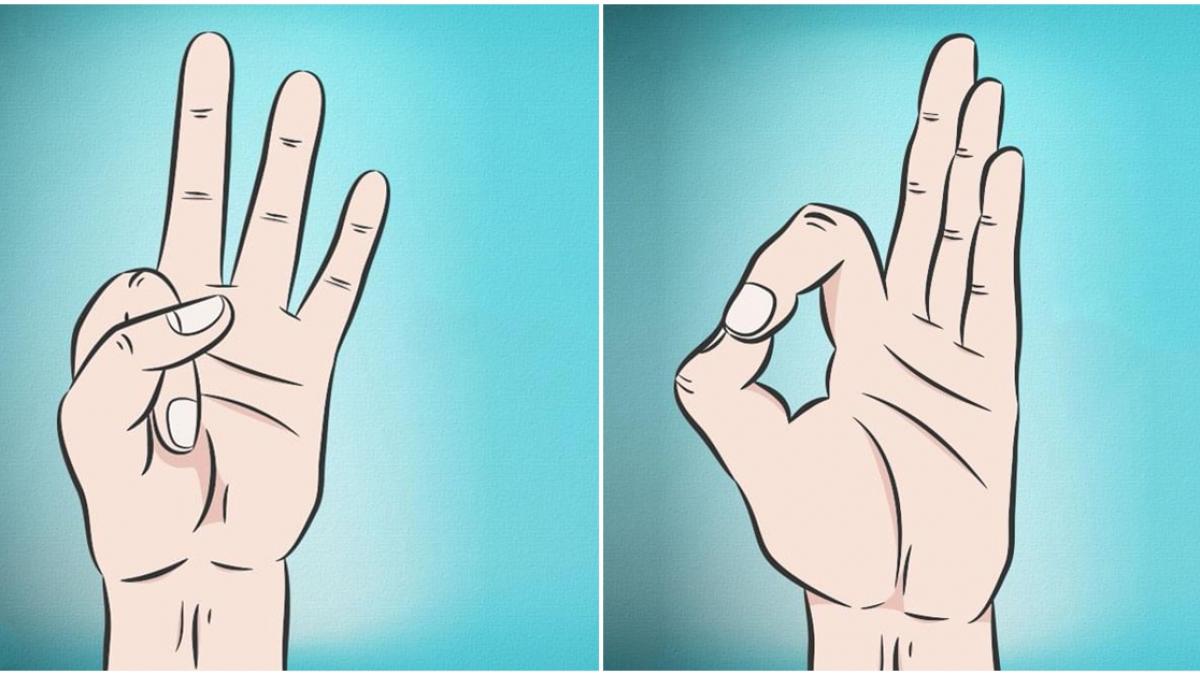
Your Ring Finger May Reveal Something More Practical
One of the most useful things about this exercise is not what the ring finger supposedly says about an internal organ.
It is what the movement tells you about your hand.
Does one hand feel stiffer?
Is one finger harder to move?
Does the stretch feel comfortable on one side but restricted on the other?
Does movement cause pain?
These observations can be useful.
For example, people who spend a lot of time typing or doing repetitive manual work may notice differences between the two hands.
That does not mean there is automatically a medical problem.
But persistent pain, swelling, stiffness, weakness, numbness, or loss of function is worth paying attention to.
When Stretching Is Not a Good Idea
Gentle movement is generally different from forcing a painful joint.
Stop the exercise if you experience:
Sharp pain
Numbness or tingling that persists
Significant swelling
A sensation of instability
Loss of strength
A sudden change in finger movement
Pain is not proof that the exercise is “working.”
That idea is especially important with stretching.
The goal is comfortable mobility, not maximum pressure.