Protect Your Heart at Night: 3 Drinks You May Want to Avoid Before Bed...
Thirsty at Night? 3 Beverages You Should Think Twice About Before Drinking
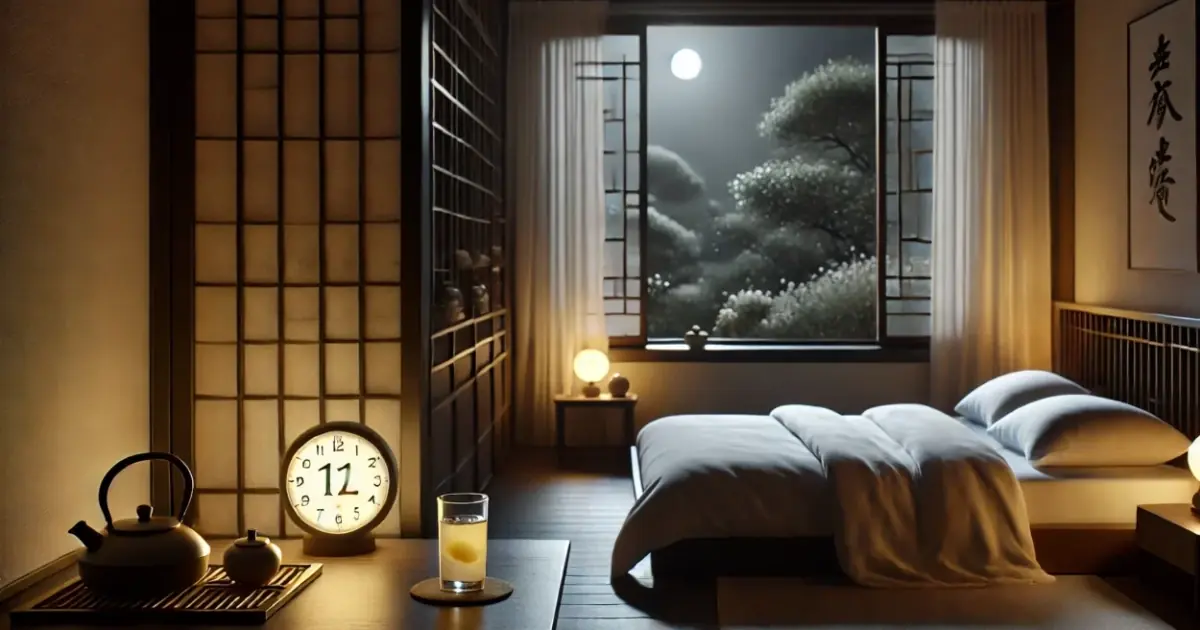
Waking up thirsty in the middle of the night is completely normal. After several hours without fluids, your mouth may feel dry and you may naturally reach for something to drink.
But not every beverage is a good choice before going back to sleep.
A dramatic social-media claim may suggest that certain drinks can directly trigger a fatal heart attack. That is an oversimplification. No single beverage can be said to cause a heart attack simply because someone drinks it at night. Heart attacks are complex medical events influenced by factors such as coronary artery disease, high blood pressure, diabetes, smoking, cholesterol, age, genetics, and lifestyle.
Still, some beverages can affect blood pressure, heart rhythm, blood sugar, sleep quality, hydration, or cardiovascular health, especially when consumed regularly or in large quantities.
So if you wake up thirsty at 2 a.m., what should you avoid?
Here are three categories worth thinking about.
1. Alcohol
Alcohol may make some people feel sleepy, but that doesn't mean it improves sleep or protects the heart.
In fact, drinking alcohol close to bedtime can disrupt normal sleep patterns.
You might fall asleep faster, but alcohol can interfere with sleep later in the night. It may contribute to nighttime awakenings, snoring, dehydration, and poorer sleep quality.
There is also a broader cardiovascular issue.
Regular excessive alcohol consumption can increase blood pressure and contribute to several cardiovascular problems.
Heavy drinking is associated with an increased risk of conditions such as high blood pressure, stroke, cardiomyopathy, and abnormal heart rhythms.
Alcohol can also interact with medications, including some drugs prescribed for blood pressure and heart conditions.
That doesn't mean everyone who drinks alcohol will experience a heart attack.
It means that using alcohol as a nighttime thirst quencher is not a healthy habit, particularly if drinking is frequent or excessive.
If you're genuinely thirsty before bed, water is generally a much simpler choice.
2. Energy Drinks and Highly Caffeinated Beverages
Energy drinks are another category that deserves caution, particularly late at night.
Many energy drinks contain substantial amounts of caffeine, sometimes combined with other stimulating ingredients.
Caffeine can temporarily increase alertness and may cause increases in heart rate or blood pressure in some people.
For someone drinking an energy drink at night, the bigger immediate problem may be sleep disruption.
Poor sleep isn't merely annoying.
Over time, consistently inadequate sleep is associated with numerous health problems, including higher risks of hypertension, obesity, diabetes, and cardiovascular disease.
Some people are particularly sensitive to caffeine.
They may experience:
- Racing heartbeat
- Nervousness
- Trembling
- Anxiety
- Difficulty falling asleep
- Repeated nighttime awakening
- Headaches
People with certain heart rhythm conditions or cardiovascular problems may need to be especially careful about high caffeine intake.
And combining energy drinks with alcohol is an even worse idea because the stimulant effects of caffeine can make someone feel more alert while alcohol is still impairing judgment and coordination.
3. Sugary Soft Drinks
A third category is heavily sweetened beverages.
Soda and other sugar-sweetened drinks can contain surprisingly large amounts of added sugar.
Having one occasionally isn't likely to cause an immediate heart attack.
The concern is long-term consumption.
Regularly drinking large quantities of sugary beverages can make it easier to consume excess calories, which can contribute to weight gain.
Over time, excessive intake is associated with an increased risk of conditions including:
Type 2 diabetes
Obesity
High blood pressure
Cardiovascular disease
These conditions can themselves increase the risk of heart disease.
There is also a practical nighttime problem.
Drinking a large amount of sugary liquid before bed can increase the likelihood of waking up to urinate, disrupting sleep.
So if you're thirsty at night, reaching for a glass of water instead of a large sugary drink is usually the more sensible option.
What About Coffee?
Coffee deserves a little nuance.
Coffee isn't automatically dangerous, and research has not established that ordinary coffee consumption causes heart attacks in healthy people.
In fact, moderate coffee consumption can fit into a healthy diet for many adults.
The problem is timing and individual sensitivity.
Caffeine consumed late in the day can remain in the body for hours.
If you wake up at midnight and drink a strong coffee because you're thirsty, you may make it much harder to fall back asleep.
People who experience palpitations, anxiety, or significant caffeine sensitivity may also notice stronger effects.
If you're simply thirsty, coffee isn't the most practical hydration choice at bedtime.
Is Drinking Water at Night Dangerous?
Not generally.
For most healthy people, drinking a reasonable amount of water when thirsty is perfectly normal.
However, drinking extremely large quantities of water in a short period can be dangerous because it can dilute sodium levels in the blood.
This condition, called hyponatremia, can become serious.
So the goal isn't to force yourself to drink huge amounts of water before sleeping.
Instead, drink according to your body's needs and maintain reasonable hydration throughout the day.
If you're constantly waking up extremely thirsty, however, don't simply keep drinking more water without considering why.
Persistent excessive thirst can sometimes be associated with conditions such as diabetes or certain medications.
Why Does Thirst Wake You Up at Night?
There are many possible explanations.
Your bedroom may simply be warm or dry.
You may have exercised heavily during the day.
You may have consumed alcohol.
You may have eaten particularly salty foods.
You may not have consumed enough fluids during the day.
Certain medications can also affect urination or fluid balance.
But persistent nighttime thirst shouldn't always be dismissed.
If you're regularly waking up extremely thirsty and also experiencing frequent urination, unexplained weight loss, unusual fatigue, or blurred vision, speak with a healthcare professional.
These symptoms can occur with diabetes and other medical conditions.
What Should You Drink Before Bed?
For most people, the simplest answer is also the least exciting:
Water.
If you're hungry as well as thirsty, a small amount of milk or another nutritious beverage may also be appropriate depending on your dietary needs.
The important point is not to turn bedtime hydration into a complicated routine.
Try to stay adequately hydrated throughout the day rather than waiting until bedtime to consume a large amount of liquid.
This may also reduce the need to wake up repeatedly during the night to use the bathroom.
Heart Attack Warning Signs You Should Never Ignore
The most important part of the discussion isn't actually about beverages.
It's recognizing the symptoms of a possible heart attack.
Warning signs can include:
Pressure, squeezing, fullness, or pain in the center of the chest
Pain or discomfort spreading to the arm, shoulder, back, neck, jaw, or upper abdomen
Shortness of breath
Cold sweating
Nausea or vomiting
Sudden weakness or unusual fatigue
Some people—particularly women, older adults, and people with diabetes—may experience less typical symptoms.
A suspected heart attack is an emergency.
Do not assume that symptoms are simply indigestion, dehydration, or something you drank.
Seek emergency medical attention immediately.
The Bigger Picture
It's tempting to believe that avoiding three specific beverages will eliminate heart attack risk.
Unfortunately, cardiovascular health doesn't work that way.
Your overall risk is influenced by many factors, including:
- Blood pressure
- Cholesterol
- Blood sugar
- Smoking
- Physical activity
- Diet
- Body weight
- Sleep
- Family history
- Age
- Existing heart disease
Reducing excessive alcohol, limiting sugary beverages, and avoiding unnecessary high doses of caffeine can certainly support healthier habits.
But these choices are only part of the bigger picture.
Regular physical activity, a balanced diet, adequate sleep, not smoking, and appropriate medical care are much more important for long-term cardiovascular health.
The Bottom Line
If you're thirsty during the night, you don't need to panic about drinking the wrong beverage.
A glass of water is generally the simplest choice for most people.
Alcohol can disrupt sleep and contribute to cardiovascular problems when consumed excessively. Highly caffeinated drinks can increase alertness, interfere with sleep, and cause uncomfortable cardiovascular symptoms in sensitive individuals. Sugar-sweetened beverages can contribute to long-term metabolic and cardiovascular risk when consumed regularly.
But none of these drinks should be described as an automatic cause of a heart attack simply because they're consumed at night.
The real goal is moderation and awareness.
If you're repeatedly waking up extremely thirsty, investigate the reason rather than simply drinking more and ignoring the symptom.
And if you ever develop chest pressure, severe shortness of breath, unexplained sweating, sudden weakness, or pain spreading to your arm, jaw, back, or shoulder, don't wait to see whether it goes away. Treat possible heart-attack symptoms as an emergency.
Your nighttime drink matters—but your overall cardiovascular habits matter much more.