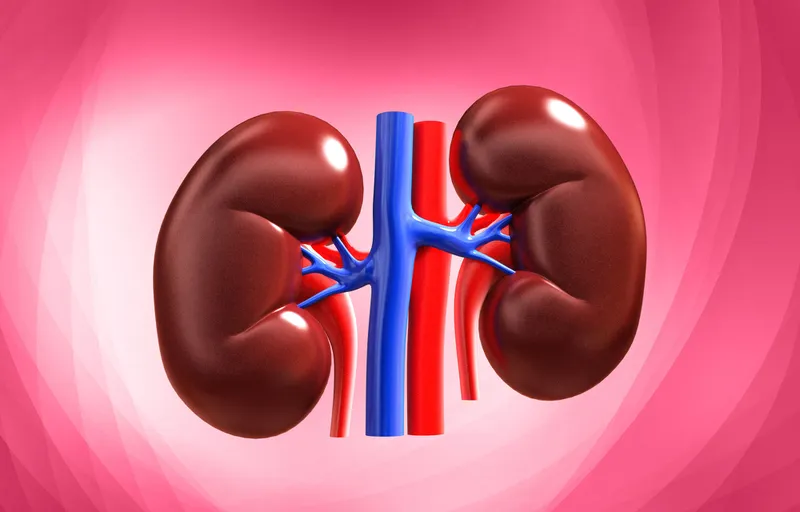
Your kidneys are among the hardest-working organs in your body, yet they rarely get the attention they deserve. Every day, these two bean-shaped organs filter about 50 gallons (roughly 190 liters) of blood, removing waste products, balancing fluids, regulating electrolytes, and helping control blood pressure. They also produce hormones that support red blood cell production and maintain strong, healthy bones.
The remarkable thing about the kidneys is that they can continue functioning even after losing a significant amount of their filtering ability. While this is beneficial, it also means that kidney disease often develops quietly, with few or no noticeable symptoms in its early stages. By the time obvious signs appear, substantial kidney damage may already have occurred.
The good news is that many kidney problems can be managed more effectively - or even prevented through early detection, healthy lifestyle choices, and regular medical care. Learning the warning signs and understanding how to care for your kidneys can make a meaningful difference in your long-term health.
Why Your Kidneys Are So Important
Each kidney contains around one million tiny filtering units called nephrons. Together, they perform several essential functions, including:
-
Removing waste products from the bloodstream
-
Eliminating excess water through urine
-
Balancing sodium, potassium, calcium, and other electrolytes
-
Helping regulate blood pressure
-
Supporting healthy red blood cell production through the hormone erythropoietin
-
Activating vitamin D to help maintain healthy bones
-
Helping regulate the body's acid-base balance
Because these functions affect nearly every organ system, kidney health is closely linked to overall well-being.
Why Kidney Disease Often Goes Unnoticed
Chronic kidney disease (CKD) is sometimes called a "silent disease" because symptoms may not appear until kidney function has declined significantly.
Many people feel completely healthy during the early stages.
For this reason, regular medical checkups and simple blood and urine tests are especially important for individuals at higher risk.
Early Warning Signs That Deserve Attention
While these symptoms do not always indicate kidney disease, they should not be ignored—especially if they persist or occur together.
1. Changes in Urination
One of the earliest clues may involve changes in your normal urination pattern.
You might notice:
-
Urinating more frequently, particularly at night
-
Urinating less than usual
-
Foamy or bubbly urine
-
Dark-colored urine
-
Blood in the urine
-
Difficulty urinating
Persistent urinary changes should be discussed with a healthcare provider.
2. Swelling in the Legs, Feet, Ankles, or Face
Healthy kidneys help remove excess sodium and water from the body.
When kidney function declines, fluid may accumulate, leading to swelling (edema), especially in:
-
Ankles
-
Feet
-
Lower legs
-
Hands
-
Around the eyes
Swelling can also have many other causes, so proper evaluation is important.
3. Persistent Fatigue
Healthy kidneys produce erythropoietin, a hormone that signals the bone marrow to make red blood cells.
Reduced kidney function can contribute to anemia, which may cause:
-
Ongoing fatigue
-
Weakness
-
Reduced exercise tolerance
-
Difficulty concentrating
Fatigue is common and nonspecific, but persistent symptoms deserve medical attention.
4. Loss of Appetite or Nausea
As waste products build up in the bloodstream due to impaired kidney function, some people may experience:
-
Reduced appetite
-
Nausea
-
Vomiting
-
An unpleasant metallic taste in the mouth
These symptoms often occur in more advanced stages of kidney disease.
5. Persistent Itching
Kidneys help maintain the balance of minerals in the body.
When this balance is disrupted, some individuals develop persistent itching that cannot be explained by allergies or skin conditions.
Chronic itching may become widespread and difficult to relieve.
6. Muscle Cramps
Electrolyte imbalances involving calcium, potassium, sodium, or magnesium may contribute to:
-
Muscle cramps
-
Muscle twitching
-
Weakness
Although muscle cramps are common and often harmless, frequent or severe episodes should be evaluated.
7. Shortness of Breath
Kidney disease may contribute to shortness of breath through several mechanisms, including:
-
Fluid buildup in the lungs
-
Anemia
-
Heart-related complications
Any unexplained or sudden shortness of breath requires prompt medical evaluation.
8. Difficulty Concentrating
As kidney function declines, toxin buildup and anemia may affect the brain.
Some people notice:
-
Brain fog
-
Trouble concentrating
-
Memory difficulties
-
Reduced mental clarity
These symptoms have many possible causes, but they should not be ignored.
9. High Blood Pressure
High blood pressure is both:
-
A major cause of kidney disease
-
A possible consequence of kidney damage
This creates a cycle in which uncontrolled blood pressure can further damage the kidneys over time.
Regular blood pressure monitoring is one of the most important ways to protect kidney health.
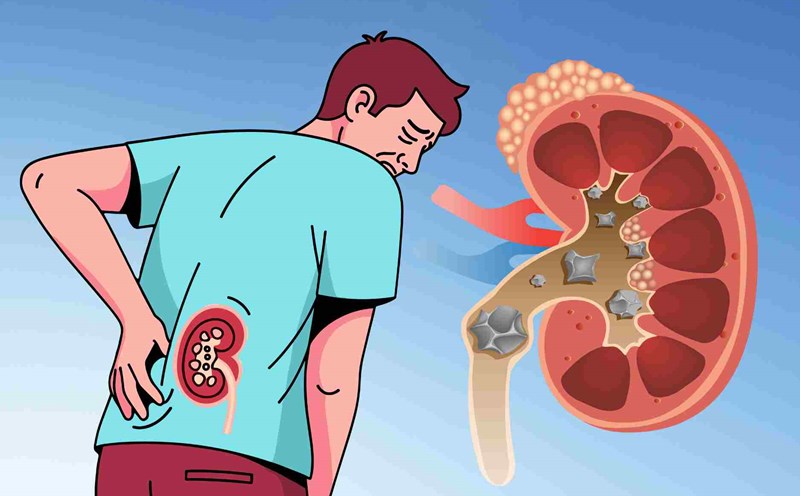
10. Persistent Back or Side Pain
Most chronic kidney disease does not cause pain.
However, pain in the side or back may occur with conditions such as:
-
Kidney stones
-
Kidney infections
-
Polycystic kidney disease
Severe or persistent pain should be evaluated promptly.

Who Is at Higher Risk?
Certain individuals have a greater likelihood of developing kidney disease.
Risk factors include:
-
Diabetes
-
High blood pressure
-
Heart disease
-
Obesity
-
Smoking
-
Age over 60
-
Family history of kidney disease
-
Autoimmune disorders
-
Recurrent kidney infections
-
Long-term use of certain medications, including frequent use of some nonsteroidal anti-inflammatory drugs (NSAIDs)
If you have one or more of these risk factors, regular kidney function testing is especially important.
Healthy Habits That Help Protect Your Kidneys
Fortunately, many everyday habits can support kidney health throughout life.
1. Stay Well Hydrated
Water helps the kidneys remove waste products efficiently.
Most healthy adults benefit from drinking enough fluids throughout the day, although individual needs vary depending on climate, activity level, and medical conditions.
People with certain heart or kidney conditions may require individualized fluid recommendations from their healthcare provider.
2. Control Blood Pressure
Keeping blood pressure within your healthcare provider's recommended range is one of the most effective ways to reduce kidney damage.
Healthy strategies include:
-
Limiting excess sodium
-
Exercising regularly
-
Managing stress
-
Taking prescribed medications consistently
3. Manage Blood Sugar
Diabetes is one of the leading causes of chronic kidney disease worldwide.
Maintaining healthy blood sugar levels through:
-
Balanced nutrition
-
Regular physical activity
-
Appropriate medications
-
Routine monitoring
can significantly reduce the risk of diabetic kidney disease.
4. Eat a Kidney-Friendly Diet
A balanced dietary pattern supports both kidney and overall health.
Focus on:
-
Vegetables
-
Fruits
-
Whole grains
-
Lean proteins
-
Beans and legumes
-
Healthy fats such as olive oil
-
Moderate sodium intake
Limiting ultra-processed foods can also help reduce excess sodium and added sugars.
5. Exercise Regularly
Aim for at least 150 minutes of moderate-intensity physical activity each week, unless otherwise advised by your healthcare provider.
Regular movement supports:
-
Healthy blood pressure
-
Blood sugar control
-
Weight management
-
Heart health
All of these benefit the kidneys.
6. Avoid Smoking
Smoking damages blood vessels throughout the body, including those that supply the kidneys.
Quitting smoking can improve overall cardiovascular and kidney health at any age.
7. Use Medications Wisely
Some medications can affect kidney function, particularly when used frequently or in high doses.
Common examples include prolonged use of certain pain relievers such as ibuprofen and naproxen.
Always follow dosing instructions and speak with your healthcare provider before taking medications or supplements regularly.
8. Limit Excess Alcohol
Heavy alcohol consumption may contribute to:
-
High blood pressure
-
Dehydration
-
Liver disease
-
Poor overall health
Moderation is key.
9. Maintain a Healthy Weight
Excess body weight increases the risk of:
-
Diabetes
-
High blood pressure
-
Heart disease
These conditions, in turn, can damage the kidneys over time.
10. Get Regular Health Checkups
Simple laboratory tests can detect kidney disease long before symptoms develop.
Your healthcare provider may recommend:
-
Blood tests to measure kidney function (such as serum creatinine and estimated glomerular filtration rate, or eGFR)
-
Urine tests to check for protein or blood
-
Blood pressure measurements
-
Blood sugar testing if indicated
Early detection often allows for earlier treatment and better outcomes.
When Should You See a Healthcare Professional?
Schedule a medical evaluation if you experience:
-
Persistent swelling
-
Blood in the urine
-
Ongoing changes in urination
-
Unexplained fatigue
-
Persistent nausea
-
Severe back or side pain
-
High blood pressure that is difficult to control
Seek immediate medical care if you have severe pain, inability to urinate, sudden shortness of breath, confusion, or other concerning symptoms.
Final Thoughts
Your kidneys quietly perform hundreds of essential tasks every single day, making them vital to your overall health. Because kidney disease often develops without obvious symptoms in its early stages, paying attention to subtle warning signs and adopting healthy daily habits can make a significant difference.
Protecting your kidneys doesn't require complicated routines. Staying hydrated, eating a balanced diet, controlling blood pressure and blood sugar, exercising regularly, avoiding smoking, using medications responsibly, and scheduling routine health screenings are all practical steps that support long-term kidney function.
Remember, symptoms such as swelling, persistent fatigue, changes in urination, or blood in the urine do not automatically mean you have kidney disease but they should never be ignored. If you notice these warning signs or have risk factors such as diabetes or high blood pressure, consult a healthcare professional promptly. Early diagnosis and appropriate treatment remain the most effective ways to preserve kidney health and reduce the risk of serious complications in the future.