Every morning, millions of people wake up, get dressed, grab their phone, and head out the door without giving their bed a second thought.
For some people, an unmade bed is simply a sign that they were in a hurry.
For others, making the bed feels completely unnecessary. After all, you're going to sleep in it again tonight, so why spend several minutes arranging pillows and pulling up the sheets?
But could this simple morning habit say something about personality?
Psychologists and behavioral researchers have long been interested in the relationship between daily routines, personality, self-regulation, and individual preferences. However, it's important not to overstate what an unmade bed can tell us.
Leaving your bed unmade does not diagnose a personality type, and there is no scientific rule saying that messy beds equal certain psychological traits.
Still, the habit can sometimes reflect broader preferences and behavioral tendencies.
Here are several characteristics that may be associated with people who regularly leave their beds unmade.
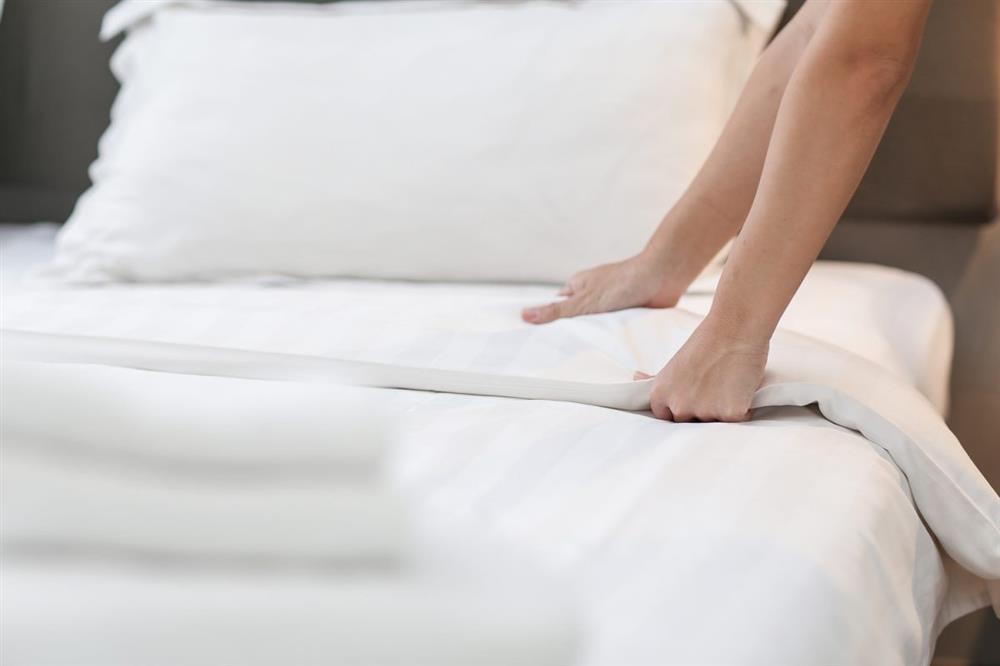
1. They May Prioritize Efficiency
One of the simplest explanations is also one of the most practical.
Some people simply don't see bed-making as an efficient use of their time.
If you're rushing to work, getting children ready for school, preparing breakfast, or trying to catch an early train, spending five minutes arranging your bedding may fall near the bottom of your priority list.
Your thinking might be:
"I'll deal with it tonight."
This doesn't necessarily mean you're lazy or disorganized.
It may mean you're prioritizing tasks according to what you consider important.
Someone who doesn't make their bed might instead spend those extra minutes preparing lunch, exercising, answering an important email, or simply getting a few more minutes of sleep.
In that sense, the unmade bed may reflect a practical approach to time management rather than poor habits.
2. They May Value Comfort Over Appearance
Some people care deeply about how their bedroom looks.
They want perfectly arranged pillows, smooth blankets, and everything in its proper place.
Others simply don't care.
For them, a bed is primarily designed for sleep and comfort, not decoration.
If the sheets are comfortable and the room is clean enough, they may see no reason to make everything look perfectly arranged.
This can reflect a broader preference for function over presentation.
These people may also be less concerned with maintaining an image of perfection in other areas of life.
They may ask:
"Does it work?"
before asking:
"Does it look perfect?"
That's not necessarily a weakness.
In many situations, focusing on function can actually be an advantage.
3. They May Be More Flexible About Routine
People differ significantly in their relationship with routines.
Some thrive on highly structured schedules.
They wake at exactly the same time, exercise at the same hour, eat breakfast according to a routine, and make their bed before doing anything else.
Others prefer a more flexible approach.
They may have routines, but they're willing to change them when circumstances change.
If you regularly skip making your bed, you may simply not consider it an essential part of your morning ritual.
That can sometimes reflect a personality that is more comfortable with flexibility and spontaneity.
However, flexibility isn't the same thing as disorganization.
Someone can have an extremely successful career and an organized life while still leaving their bed unmade every morning.
4. They May Resist "Should" Rules
Some people have a strong internal reaction to rules that seem arbitrary.
They hear:
"You should always make your bed in the morning."
And their immediate response might be:
"Why?"
They don't automatically accept a habit simply because it's considered proper or productive.
Instead, they want to understand the purpose behind it.
This can sometimes be associated with an independent mindset.
These people may prefer to make their own decisions rather than follow traditions simply because other people follow them.
That trait can be useful in creative work, entrepreneurship, problem-solving, and situations where conventional thinking isn't enough.
Of course, being independent can also become problematic if someone rejects useful advice simply because it comes from authority.
Balance matters.
5. They May Not Need External Structure
Some people rely heavily on visible organization to stay focused.
A clean desk helps them work.
A carefully planned calendar keeps them productive.
A perfectly made bed gives them a sense that the day has officially begun.
Other people don't need those external signals.
They can wake up, leave the bedroom messy, and immediately focus on what actually needs to get done.
This may suggest a greater reliance on internal motivation rather than environmental cues.
Again, this doesn't mean one approach is better.
Different people use different systems to regulate themselves.
6. They May Be Comfortable With Imperfection
Modern culture often creates pressure to make everything look perfect.
Social media feeds show beautifully decorated bedrooms, organized kitchens, spotless desks, and carefully planned morning routines.
But real life is rarely that perfect.
People who leave their beds unmade may be more comfortable accepting a little visual imperfection.
They may understand that:
A messy bed doesn't mean a messy life.
This distinction is important.
You can have an unmade bed and still have:
-
A successful career
-
Strong relationships
-
Good personal hygiene
-
Financial discipline
-
Healthy habits
-
A clean home
One imperfect detail doesn't define the entire person.
7. They May Be More Focused on What Happens Next
For some people, the moment they wake up, their attention immediately moves toward the day ahead.
They're thinking about:
Work.
School.
Family.
Exercise.
Appointments.
Deadlines.
The bed belongs to the previous part of the day.
Once they're awake, they're mentally somewhere else.
This forward-focused mindset can sometimes be useful because it prevents people from spending too much time on low-priority details.
However, it can also mean they rush through their mornings without giving themselves a moment to reset.
That's why the real question isn't whether you make your bed.
It's whether your morning routine helps you begin the day in a healthy and productive way.
8. They May Be Natural Nonconformists
Some people simply don't enjoy doing things the traditional way.
They might organize their workspace differently.
They might work unusual hours.
They may prefer unconventional clothing.
They may question common assumptions.
Leaving the bed unmade can occasionally fit into this broader pattern of nonconformity.
It's a tiny decision, but it can represent a larger attitude:
"I'll decide what works for me."
That mindset can encourage creativity and independent thinking.
But again, there is no evidence that an unmade bed automatically means someone is rebellious.
Sometimes an unmade bed simply means someone forgot.
9. They May Have a Different Definition of Clean
Here's something people often overlook.
An unmade bed isn't necessarily a dirty bed.
Making the bed is primarily about appearance and organization.
Cleaning the bed involves completely different behaviors.
Someone may leave their blankets in a pile but still:
-
Wash their sheets regularly
-
Clean their bedroom
-
Vacuum the floor
-
Keep surfaces sanitary
-
Change pillowcases
-
Maintain good personal hygiene
Meanwhile, someone can have a perfectly made bed but rarely wash their sheets.
So if you're trying to understand someone's cleanliness, an unmade bed isn't enough information.
10. They May Simply Be More Sleep-Oriented
Here's a surprisingly simple possibility:
They would rather sleep.
If someone wakes up tired, an extra five or ten minutes in bed may feel more valuable than arranging the blankets.
And in some cases, getting enough sleep is actually more important for health than having a perfectly made bed.
Sleep supports:
-
Memory
-
Concentration
-
Mood
-
Immune function
-
Metabolic health
-
Cardiovascular health
-
Physical recovery
If the choice is between sleeping an extra few minutes and making the bed, getting sufficient sleep may reasonably take priority.
The ideal morning routine is not necessarily the one that looks best on social media.

Does Making Your Bed Actually Make You More Productive?
You've probably heard the popular claim:
"Make your bed every morning and you'll start the day with a success."
There's some intuitive appeal to this idea.
Completing a small task immediately after waking may provide a sense of accomplishment.
It can also create structure.
However, claims that bed-making directly transforms someone into a highly productive person are much stronger than the evidence supports.
A small morning task may help some people feel organized, but it isn't a magical productivity technique.
If making your bed makes you feel good and gives your morning structure, great.
If it doesn't matter to you, that's also fine.
What Does an Unmade Bed Really Say About You?
Probably less than the internet suggests.
Personality is complicated.
Psychologists study traits using much broader patterns of behavior, attitudes, emotional responses, social interactions, and decision-making.
One habit isn't enough to determine whether someone is:
-
Lazy
-
Messy
-
Creative
-
Independent
-
Intelligent
-
Successful
-
Depressed
-
Disciplined
Those are much bigger conclusions than the evidence allows.
Your bed may simply reflect what happened that morning.
Maybe you were late.
Maybe you had an early meeting.
Maybe you don't care about making the bed.
Maybe you planned to return to it.
Or maybe you simply forgot.
The Important Difference Between Preference and Problem
There is a major difference between choosing not to make your bed and being unable to maintain basic daily routines because of a larger problem.
If someone occasionally leaves their bed messy, there's usually nothing concerning about that.
But if a person suddenly stops taking care of themselves, struggles to get out of bed, loses interest in activities they previously enjoyed, or has difficulty maintaining everyday responsibilities, the situation may deserve more attention.
An unmade bed by itself doesn't indicate a mental health condition.
It's the broader pattern of behavior that matters.
If someone is struggling with persistent low mood, exhaustion, loss of interest, severe anxiety, or significant changes in daily functioning, talking with a qualified healthcare professional can be helpful.
What About Highly Organized People Who Don't Make Their Beds?
They absolutely exist.
Someone can be extremely disciplined and still consider bed-making pointless.
They might exercise every morning, maintain a detailed budget, meet every deadline, and keep an immaculate workplace—but leave their bedroom untouched until bedtime.
Why?
Because discipline is context-specific.
A person doesn't have to optimize every single habit.
They may decide that certain tasks simply aren't worth their time.
This is actually a useful reminder:
Productivity isn't about doing everything. It's about deciding what deserves your attention.
What If You Make Your Bed Every Morning?
That doesn't automatically mean you're more disciplined either.
You may simply enjoy the feeling of a tidy room.
Perhaps making your bed gives you a small psychological reset.
Maybe you like returning to a neat bedroom at night.
Or maybe you grew up in a household where making the bed was simply part of the morning routine.
There are plenty of perfectly reasonable explanations.
The same principle applies in both directions:
Making the bed doesn't prove discipline, and leaving it unmade doesn't prove laziness.
Why This Tiny Habit Gets So Much Attention
There's something fascinating about small everyday behaviors.
They feel personal.
We all have tiny routines that seem insignificant but can reveal how we approach life.
Do you organize your phone apps?
Do you reply to messages immediately?
Do you arrive early?
Do you leave dishes in the sink?
Do you plan everything in advance?
Do you decide what to wear the night before?
These behaviors can sometimes reflect broader preferences—but none of them should be treated as definitive personality tests.
They're pieces of a much bigger picture.
The Psychology of Morning Routines
Morning routines can be useful because they reduce the number of decisions you need to make.
When certain behaviors become automatic, you don't need to consciously decide what happens next.
For example:
Wake up → drink water → shower → get dressed → breakfast → leave.
Some people include bed-making in this sequence.
Others don't.
The important thing is whether your routine supports your goals.
A good morning routine should ideally help you feel:
-
Prepared
-
Comfortable
-
Focused
-
Calm
-
Energized
If making the bed contributes to those feelings, keep doing it.
If it doesn't, there's no reason to treat the habit as a moral obligation.
Could Leaving Your Bed Unmade Actually Be a Good Thing?
In certain situations, maybe.
For example, some experts recommend allowing bedding to air out rather than immediately covering everything tightly after waking, particularly because moisture from overnight sweating can accumulate in bedding.
That doesn't mean you should leave your sheets untouched indefinitely.
Regular washing remains important.
But it does challenge the idea that immediately making the bed is always necessary for health.
A practical approach is simple:
Let bedding air out, keep it clean, and wash it regularly.
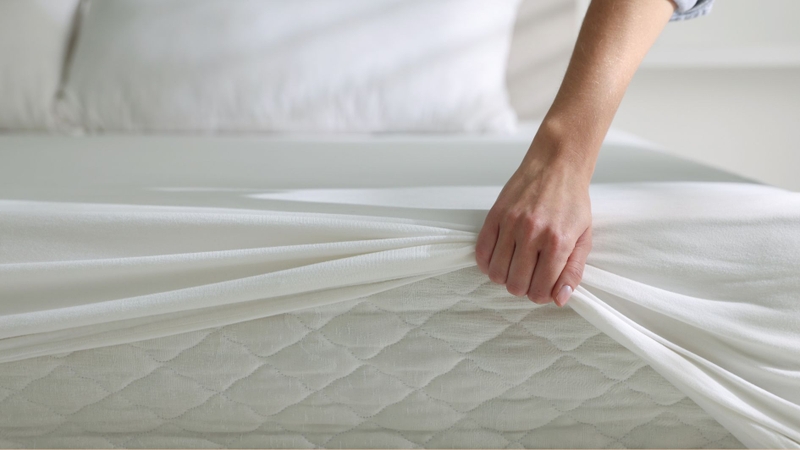
How Often Should You Wash Your Bedding?
Unlike bed-making, this habit has a more direct connection to cleanliness.
Sheets can accumulate:
-
Sweat
-
Skin cells
-
Body oils
-
Dust
-
Allergens
-
Other particles
Many people benefit from washing sheets regularly, with frequency adjusted based on sweating, allergies, pets, skin conditions, and personal circumstances.
Pillowcases may need more frequent attention if you have oily skin or hair.
So if you have to choose between obsessing over perfectly arranged blankets and actually washing your bedding regularly, the latter is clearly more relevant to hygiene.
What Your Unmade Bed Might Really Mean
Perhaps the most accurate interpretation is the simplest:
You don't think making the bed is important.
And that's okay.
Maybe you value sleep.
Maybe you prioritize efficiency.
Maybe you prefer comfort.
Maybe you're naturally flexible.
Maybe you're a little messy.
Maybe you're extremely organized everywhere else.
Maybe you're simply running late.
There doesn't have to be a deep psychological explanation behind every habit.
Sometimes a bed is just a bed.
A Better Question to Ask Yourself
Instead of asking:
"What does my unmade bed say about my personality?"
try asking:
"Does my morning routine help me live the way I want to live?"
If your room is comfortable, your bedding is clean, you're sleeping well, and you're getting through your responsibilities, an unmade bed probably isn't a major issue.
But if your bedroom is constantly chaotic and the mess contributes to stress or makes it difficult to relax, spending two minutes making the bed may actually be worthwhile.
The goal isn't perfection.
It's functionality.
Final Thoughts
People who leave their beds unmade aren't necessarily lazy, disorganized, rebellious, careless, or unproductive.
They may simply have different priorities.
Some may value efficiency and flexibility.
Others may be comfortable with imperfection or simply prefer spending their morning energy on more important tasks.
And some people just really, really want those extra five minutes of sleep.
At the same time, people who make their beds every morning aren't automatically more disciplined or successful.
The truth is much less dramatic than the internet often suggests.
One morning habit cannot define an entire personality.
What matters far more is the larger pattern of your life—how you treat people, how you manage responsibilities, how you handle stress, how you care for yourself, and whether your daily routines actually support your well-being.
So if your bed is unmade right now, don't panic.
Your personality isn't broken.
Your life isn't falling apart.
You may simply have decided that making the bed wasn't worth the effort today.
And honestly?
That's a perfectly reasonable decision.